Extraordinary Meeting of Eleven European Countries: Era of Open Doors to Refugees Comes to an End
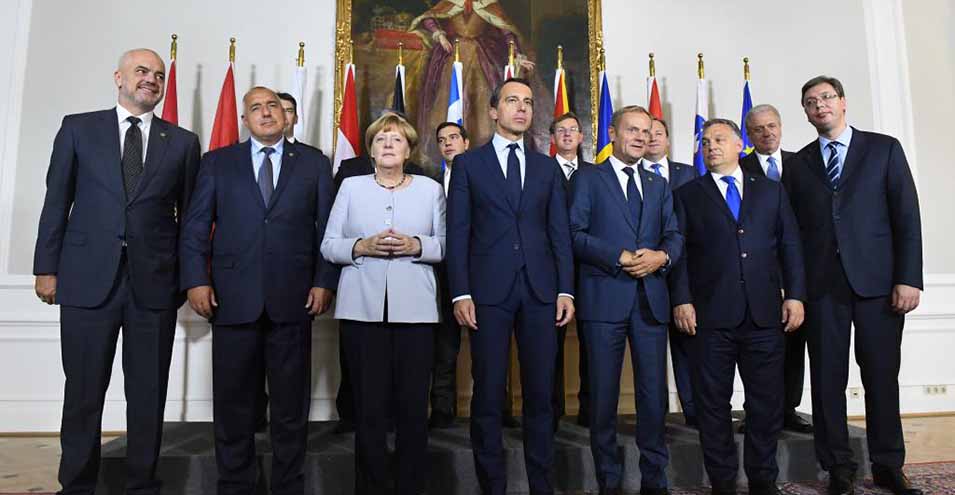
A meeting of Balkan region countries as well as Austria and Germany, known as the “Balkan Route countries,” was held in Vienna on Saturday, September 24, regarding the refugee crisis. German Chancellor Angela Merkel’s presence at this meeting comes as her party suffered defeat in recent state elections in Berlin due to Merkel’s refugee policies.
The French news agency reported from Vienna that today’s meeting was held with the participation of leaders or representatives of eleven European Union member states and at the initiative of Christian Kern, the social democratic Chancellor of Austria.
The Austrian Chancellor, before the start of the Vienna meeting, announced in an interview that “increased border control on the external borders of the European Union, support for neighboring countries that host refugees, and financial support to African countries are the three main axes of the Vienna meeting.”
Donald Tusk, President of the European Council, who also attended the Vienna meeting, told reporters upon his arrival in the city that it will be reiterated at this meeting that the Balkan Route has been closed to refugees and that the restructuring of the European Union’s external border control system is a priority.
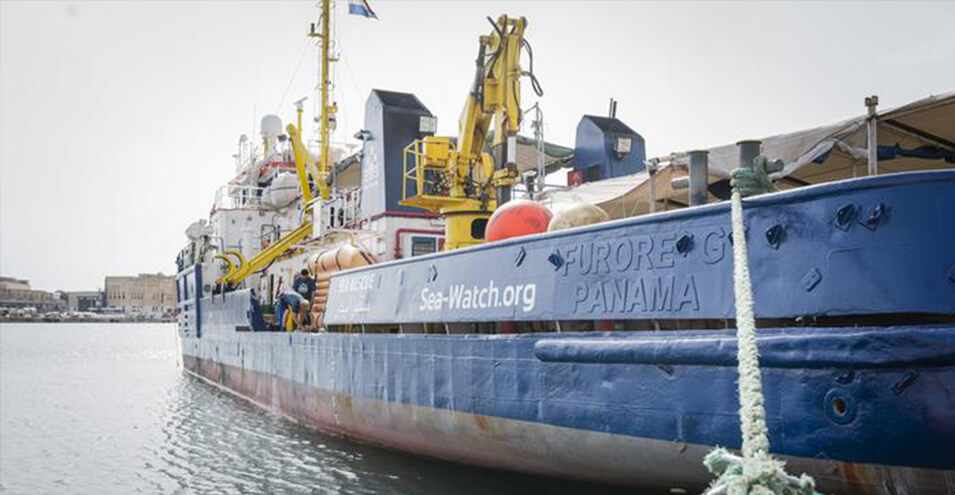
While a year has passed since the peak of the refugee crisis in Europe and Europe has ended its “open doors” policy, the United Nations High Commissioner for Refugees announced that so far in the current calendar year (2016), 300,000 refugees have crossed the Mediterranean waters to reach Europe, particularly Italy.
Of course, this number is significantly lower than last year’s figures but higher than 2014’s numbers. In just the first nine months of 2015, approximately 520,000 refugees entered Europe. This was while in the year before that, namely 2014, a total of 216,000 refugees had managed to reach European soil.
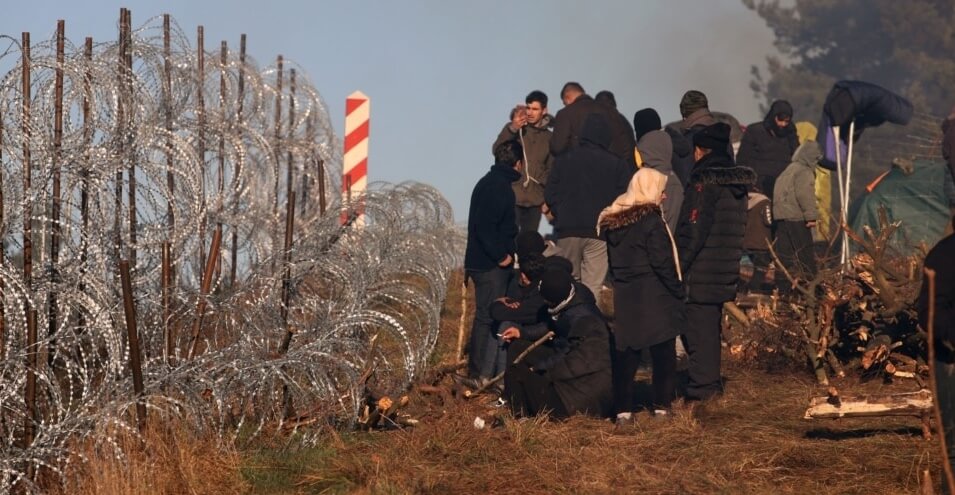
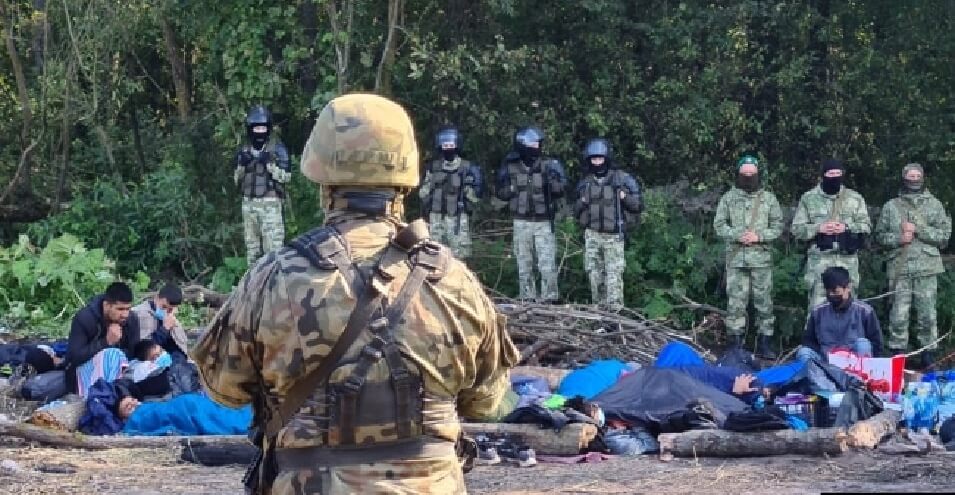
Tens of thousands of refugees, until last March, crossed the “Balkan Route” which starts from Greece and continues toward Western Europe. Hundreds of refugees are still trying to test their luck by crossing this route, but security measures and obstacles at the borders have become more severe than before.
Source: RFI