“Wounded But Not Defeated”: Iranian Christians React to Controversial US-Iran Agreement
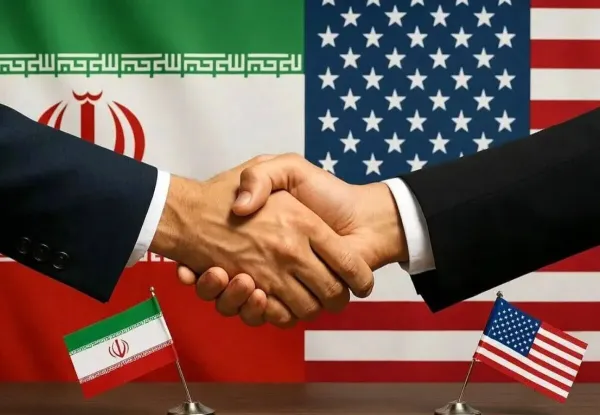
Reactions to the new agreement between the Donald Trump administration and the Islamic Republic of Iran continue, and among segments of the Iranian Christian community, the agreement has been accompanied by deep concern and disappointment. Christian leaders and activists say that any reduction in international pressure on the Iranian government, without clear guarantees in the field of human rights and religious freedoms, could make conditions more difficult for religious minorities, particularly Christians. These concerns are being raised even as many opponents of the Islamic Republic also view this agreement as a measure that could strengthen suppressive structures within the country.
Reports show that segments of the Iranian expatriate community and opponents of the Islamic Republic are strongly dissatisfied with the announcement of the agreement between Washington and Tehran. “Robin Nozouri,” an activist from the Iranian community outside the country, stated in an interview with “All Israel News”: “Many Iranians are deeply disappointed and frankly, they feel betrayed. Hearing news about the agreement and the lifting of sanctions was like swallowing a bitter pill for us.”
Meanwhile, “Reverend Reza Soodeh,” a leader of Persian-speaking churches in Britain, referring to the concerns of Christian families in Iran, said: “Many citizens have become disillusioned with the change in the American government’s approach toward the Islamic Republic.” He recalled that previous promises about supporting the Iranian people have now given way to political negotiations; a matter that, according to him, has increased feelings of despair among many Iranians.
Reverend Soodeh, who was forced to leave Iran years ago following the killing and kidnapping of several of his Christian colleagues, warned that injecting new financial resources into the Iranian government could have concerning consequences for the state of human rights. He emphasized that a large portion of Iran’s society has lost trust in the ruling authority and is concerned that any economic opening, instead of improving people’s conditions, will be placed at the disposal of security and repressive institutions.
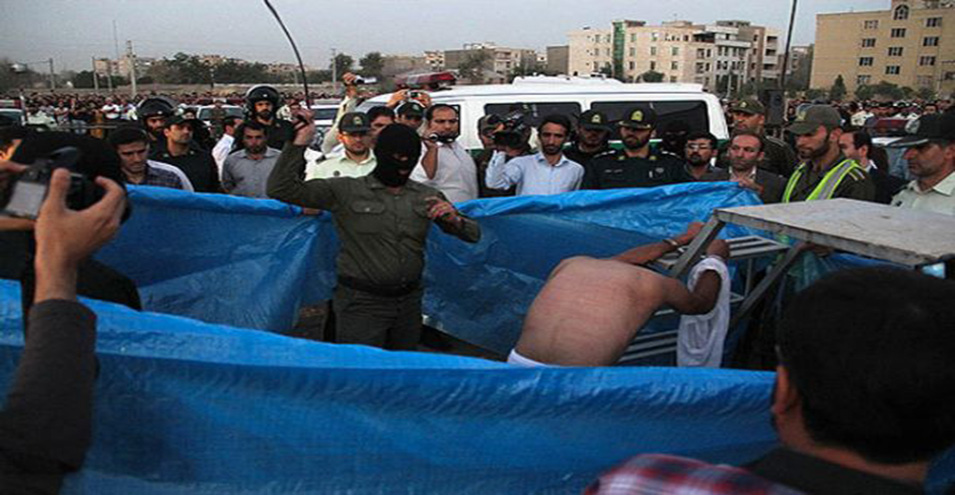
This Christian leader also criticized arbitrary detentions, widespread restrictions against Christian citizens, and the security atmosphere prevailing in Iranian society, referring to the existing pressures on religious minorities. He described the current situation for many Christian families as “very difficult and concerning” and called for greater attention from international organizations to the issue of religious freedoms in Iran.
In another part of his remarks, Reverend Soodeh appealed to Christians around the world to pray for the people of Iran and to pay greater attention to the conditions of citizens who, according to him, live in an atmosphere of despair, economic pressure, and social restrictions. He believes that spiritual developments in recent years in Iran have been significant, and many people are seeking new answers to their spiritual questions.
Despite the critical atmosphere regarding the recent agreement, some Iranian activists emphasize that despair does not mean the end of hope. “Robin Nozouri,” referring to the continuation of popular demands for political change in Iran, said: “Any agreement that throws a lifeline to the regime will be rejected by the Iranian people. History will remember who stood by the Iranian people and who saved the oppressors. Our current mood is a mixture of heartbreak and resilience; we are wounded, but not defeated.”
These reactions are being raised at a time when the new US-Iran agreement has also faced varying perspectives on the international level, and some analysts and opponents of the Iranian government have expressed doubts about its consequences for the future of human rights and civil liberties in the country.