Honor Killings in Iran; The Role of Religious Beliefs and Sociological Roots
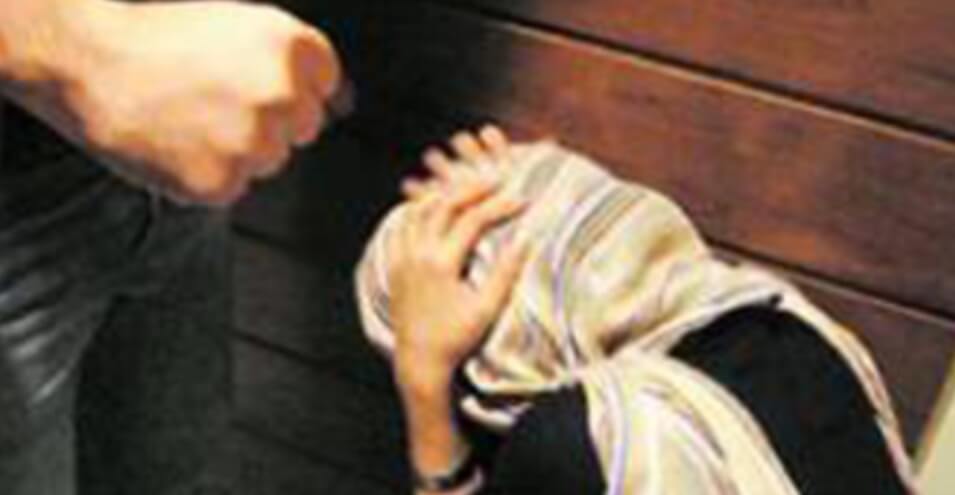
According to research conducted by the “Rayhaneh Women’s Society” and published by the monthly magazine Andisheh Poya, 60 women have been victims of honor killings in Khuzestan over the past two years. The research indicates that as a result of the water crisis over the past three years, child marriage, femicide, and violence against women have increased significantly.
Human Rights Watch has described honor killing as follows: “This crime is committed by male family members against female family members due to the belief that the woman has brought shame to the family.”
Hadi Mostafaei, the former deputy for combating crimes at the Intelligence Police in 2014, stated: “19 percent of murders in the country are committed with honor motives, and approximately 63 percent of the victims are women who have been killed by their relatives.”
The Shargh newspaper also reported in 2020 that between 375 to 450 honor killings occur annually in Iran, accounting for 20 percent of all murders in the country and 50 percent of family murders.
- Religion or Culture? The Factor or Factors Behind Honor Killings
Shargh writes on the topic “Why are honor killings prevalent in the country?” that what causes perpetrators of honor killings in Iran and some neighboring countries to commit murder with ease is that they consider themselves as executioners of divine will and even take pride in it.”
In a research article published by the Journal of Social Studies, in a survey conducted in 2006 in the city of Marivan among 384 people, one-fifth of the respondents “27.6 percent of men and 5.3 percent of women” held a positive view of honor killings. The study noted that gender inequality, acceptance of patriarchal beliefs, and adherence to religious beliefs were the most important variables for a positive attitude toward honor killings.
In contrast, Emadeddin Baghi, a writer, wrote in a note for Sazandegi: “Basically, honor is a sociological phenomenon, not a jurisprudential or religious one. Honor killing is rooted more in the patriarchal system than in religious ideology. In this system, women have no special rights and are defined by their father, husband, and brother.”
Sedighe Vasmaghi, an Islamologist, also believes “the reason these killings are attributed to Islam is the mistake of jurists. Jurists, based on narrations which in my opinion cannot provide a solid foundation for these arguments, have raised certain issues.”
- Psychological Problems
Amin Mokhtari, a family psychologist, told ISNA: “The traces of psychological and personality disorders are completely evident in the discussion of murder and family violence.” He added: “If parents do not have the basis for personality and psychological disorders, they will never under any circumstances commit murder of their child, and this anger may eventually lead to minor violence.” He believes that some consciously or unconsciously promote violence in cyberspace and has also criticized friendly games due to the spread of violence.
- Poverty and Economic Problems
Hamid Reza Yar Ahmadi, head of Tehran’s Intelligence Police, told the Arman newspaper: “Economic problems, shortages, unemployment, poverty, and discrimination have caused families to fall victim to violence in the worst and most tragic ways possible. In a society with rentierism and embezzlement and lack of equal opportunities, it drives people toward violent behavior, and of course the severity and intensity of it depends on family conditions and the psychological management capabilities of individuals.”
Mehrdad Deshti, a life skills and family instructor, told IMNA: “Given current living conditions, failures, and economic and social problems, physical and non-physical violence, especially verbal violence and harassment within homes, has become prevalent, and its most severe form is family murders.”
Mohammad Reza Rahbarpour, a university professor, believes that financial problems and unemployment are the most important factors in changing culture and violence within families and further stated: “When there is bad morality in society and people do not respect each other and in various ways seek to exploit one another, in other words, when social capital becomes disrupted, trust and compassion are lost. Families and societies suffer from these problems.”
- The Law’s Alliance with the Killer
Ahmad Aslani, a legal expert, told IMNA: “The root of many of these murders is pessimism and ethnic and cultural prejudices, but for example, according to Article 630 of the Islamic Penal Code, if a man sees his wife committing adultery with a strange man and knows the woman consented to it, he can kill them on the spot. The law has left the door open for such murders.”
Many experts believe the main cause of the spread of such murders is the provision of Article 301 of the Islamic Penal Code, which states: “If a father or paternal grandfather is the killer of a daughter or son, retaliation shall not take place.” In many cases, other family members commit the murder or, by incitement and seduction of the father, they introduce him as the killer and are exempt from punishment.
Source: Voice of America