Minister of Guidance: Retreat in Mashhad has caused problems in other cities as well
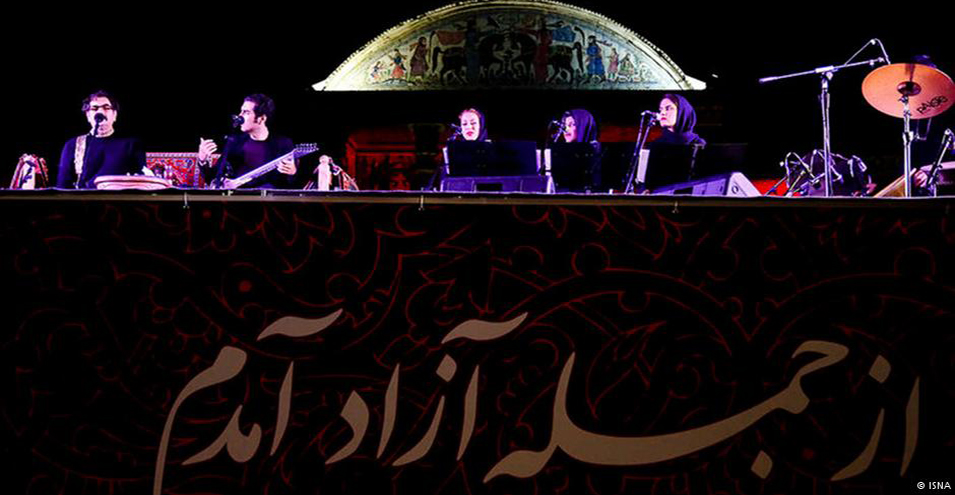
According to Ali Jannati, the Ministry of Cultural Affairs' agreement to cancel concerts in Mashhad has also created problems in Sabzevar and Neyshabur. In an open letter to the president, 3,000 music professionals called the Ministry of Cultural Affairs' withdrawal in Mashhad a disaster.
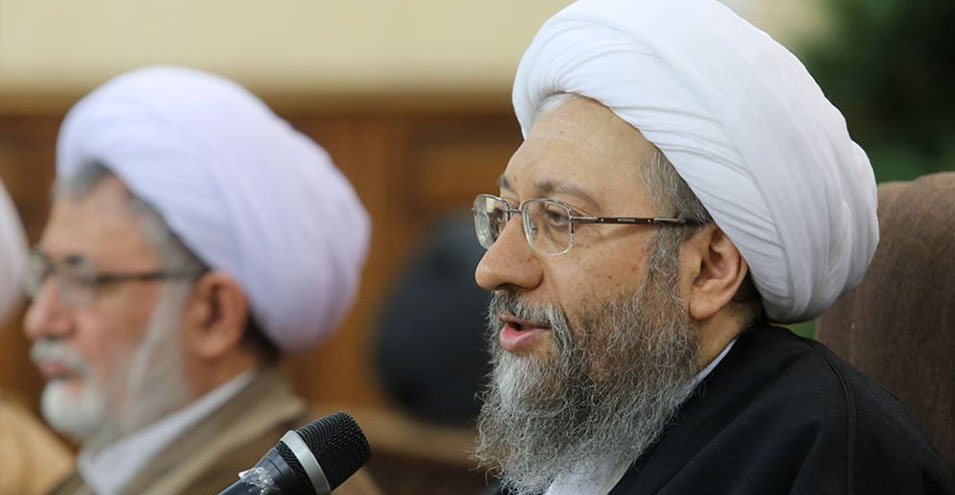
Ali Jannati, Iran’s Minister of Religious Affairs, says that the Friday prayer imam of Mashhad believes that “the entire city is like the holy shrine of Imam Reza, and that is why they are preventing the concert from being held by putting pressure on the judicial system.” He added that no concert has been held in Mashhad for 11 years due to the Friday prayer imam’s opposition, and the Ministry of Religious Affairs’ recent approval of this procedure “has unfortunately led to interference in some cities, including Sabzevar and Neyshabur, which is unacceptable to us.”
Although the Ministry of Islamic Guidance's retreat from the Friday Imam of Mashhad was criticized by President Hassan Rouhani, there has been no change in this decision.
However, Seyyed Reza Salehi Amiri, advisor to the president, has claimed that "there was no fundamental backtracking by the Minister of Cultural Guidance regarding holding the concert in Mashhad, and this was the media's perception and interpretation of his words."
“We want the rights of an ordinary citizen”
At the same time, a judicial official in Khorasan province, while implicitly defending the judiciary's move to prevent concerts, considered the government officials' addressing these issues to be a diversion from the people's economic problems. Hojjatoleslam Mozaffari, the head of the General Directorate of Justice of Khorasan province, said: "Unfortunately, some statements are not worthy of high officials, and the priorities and main concerns of society and the people, such as economic problems, should not be underestimated."
"The duty of the judicial system is to maintain security and prevent crime, and these principles govern all fields and ceremonies, and it makes no difference to us at which ceremony the crime occurred."
Alam al-Huda and his associates have considered music concerts to be places where "criminal and un-Islamic behavior" occurs and have called for the concerts to be canceled.
Meanwhile, three thousand Iranian music artists have warned the president in an open letter about the danger of the Ministry of Cultural Heritage agreeing to cancel concerts in Mashhad. They wrote, among other things, that “this incident, which began with the emphasis on music, began by denying the sovereignty of the legal unit and normalizing tribal monarchy.” The authors of the letter, while criticizing the president’s late and indecisive response to the Ministry of Cultural Heritage’s decision, “demanded a practical, clear, and binding response from the government and system of the Islamic Republic to restore the aforementioned deprived right and also a serious guarantee that this situation will not be repeated.” They emphasized the need to “restore the status of the music community and restore the dignity of musicians,” and demanded that they be recognized at least “to the extent of an ordinary citizen who has the right to do business.”
A blockbuster film that was banned
In a new move that has been described as a sign of the emergence of lawlessness and tribalism in Iran, the Arts Council has banned the screening of the film Lantouri in its cinemas. In this way, in cities where Lantouri can only be shown in private cinemas in a number of cities, but because a number of cities lack private cinemas, some people are effectively deprived of seeing this film. This is while, according to ILNA news agency, Lantouri is currently the record-holder for sales of films on the screen despite the Arts Council's ban.
Ban: DW