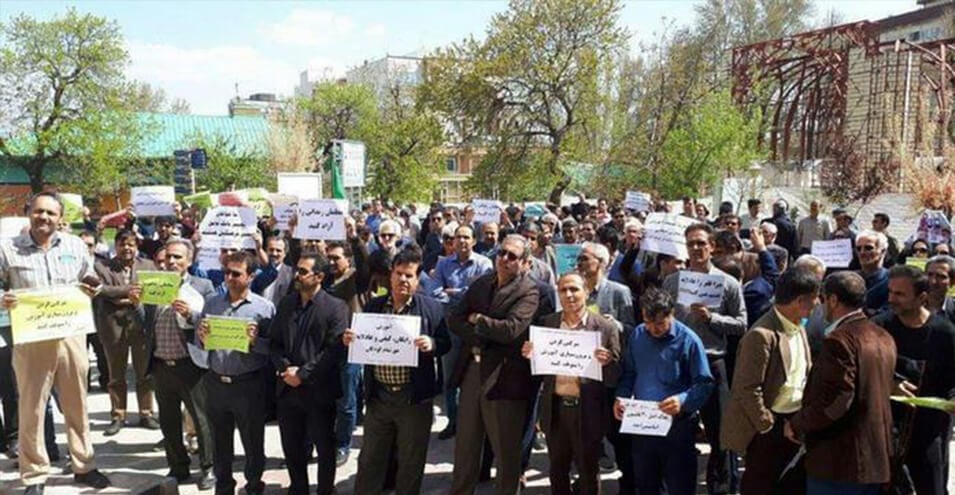
مسدود شدن حساب چهره های سرشناس که کمک های مردمی برای زلزلهزدگان جمع می کردند
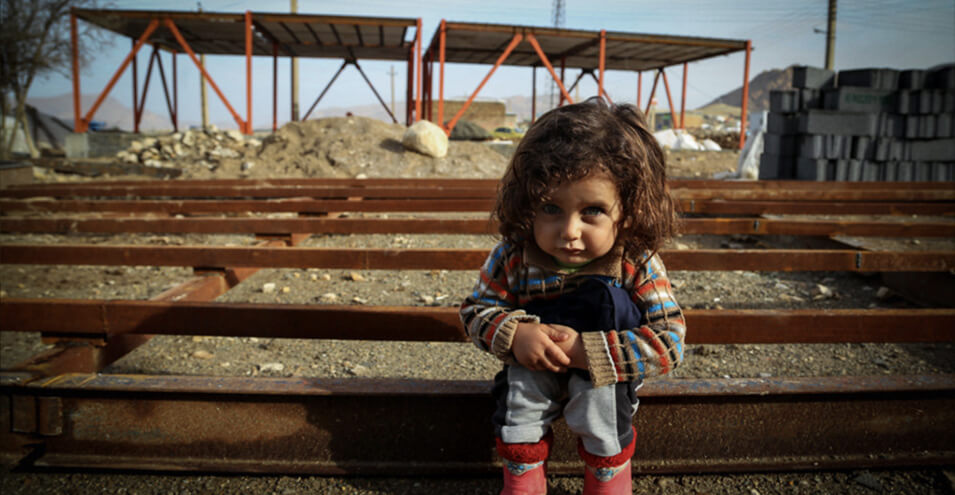
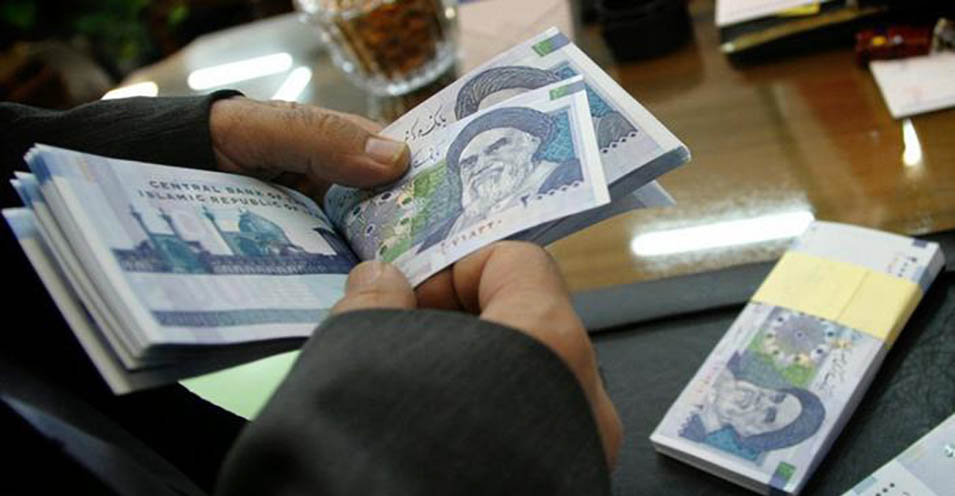
در آستانه سالگرد زلزله کرمانشاه، رفتار حکومت ایران با چهرههای سرشناسی که سعی در کمک به زلزله زدگان داشتهاند، به ماجرایی جدید تبدیل شدهاست. دستگاه قضایی ایران برخی از این افراد را احضار و حتی حساب های بانکی آنها را مسدود کرده است.
زلزله ۷.۳ ریشتری غرب ایران که در آبان ماه سال ۹۶ اتفاق افتاد، به جز ویرانیها و مرگ بیش از ۵۰۰ نفر، تصویری دیگر از بیاعتمادی مردم به حکومت ایران را حتی در مواقع بحرانی نمایان کرد. بی اعتمادی مردم به دستگاههای امدادرسانی دولتی تا جایی پیش رفت که آنها واریز پول به حسابهای شخصی افراد سرشناس را به هرگونه حساب دولتی ترجیح دادند.
حالا که یکسال از این حادثه گذشته است، مسئولان که در چشم مردم نقش موثری در بازسازی مناطق زلزله زده بازی نکردهاند، این بار تلاش دارند به عنوان بازرس برابر مردم نقش آفرینی کنند.
احضار علی دایی، چهره سرشناس فوتبال ایران، در رابطه با حساب های بانکی جمع آوری کمک برای زلزله زدگان کرمانشاه، بار دیگر موضوع برخورد قضایی با چهرههای سرشناسی که قصد کمک به زلزله زدگان را داشتند، مطرح کرد.
پلیس ایران در روزهای اخیر به چهرههای سرشناس از جمله علی دایی برای ارائه توضیحات درباره پولهایی که به حسابشان ریخته شده است، احضاریه صادر کرد.
این احضاریهها واکنشهای بسیاری را به همراه داشت که نمونههایی از آن، فیلمهایی بود که علی دایی از روند ساخت و سازها و کمکهای مردمی به کودکان در صفحه اینستاگرامش منتشر کرد و نوشت: «ساخت و ساز خانه های مردم هم با عزمی راسخ تر در حال انجام است. اگر آقایان بگذراند تا زمستان نشده به اهدافمان در روستاهای زلزله زده کرمانشاه میرسیم. اگر سنگ اندازیها و اخلال در کار نباشد، به زودی همه عزیزان در خانههای خودشان اسکان پیدا می کنند.»
صادق زیبا کلام، استاد علوم سیاسی، از دیگر چهرههای سرشناسی بود که در صفحه اینستاگرامش از مسدود شدن حساب بانکیاش در رابطه با جمع آوری کمک به زلزله زدگان خبر داد.
او در این باره این گونه نوشت: «شخصا از این اقدام قوه قضاییه خیلی خوشحالم و قبلا هم گفته بودم یک گوسفند نذر کرده ام که دادستان حسابم را ببندد، اما بواسطه دفاع از اهالی دهکده امید و هموطنانی که به این حساب پول ریخته اند، هم به ریاست محترم قوه قضاییه اعتراض خواهمنمود و هم به کمیسیون اصل ۹۰ مجلس علیه قوه قضاییه شکایت خواهم نمود.»
زیباکلام همچنین با انتشار یک نامه سرگشاده خطاب به صادق لاریجانی، رییس قوه قضاییه ایران نوشت: «گیریم که از بنده شکایتی شده بوده مبنی بر حیف و میل پولهای جمعآوری شده، در کدام دادگاه این شکایت رسیدگی شده و حکم بر محکومیت بنده و مسدود شدن حسابم صادر میشود؟ حاصل داشتن قدرت و اختیارات اما پاسخگو نبودن بهتر از این از آب در نمیآید.»
مردم به حکومت بی اعتماد هستند
زیبا کلام پیش از این در مصاحبه با دویچه وله، درباره بیاعتمادی مردم به حکومت گفته بود که «زلزله کرمانشاه از منظر جامعه شناسی، نشان داد بی اعتمادی مردم به حکومت نسبت به سال ۹۲ عمیق تر شده است. ما نشانه هایی را از این بی اعتمادی در آن سال دیده بودیم اما مسئولان حاضر نشدند این نشانهها را ببینند. حالا مردم حاضرند به افرادی مثل «صادق زیباکلام» اعتماد کنند و میگویند پول را به حساب شخصی شما بریزیم اما پول را به هلال احمر و کمیته امام خمینی یا مسجد محل و امام جمعه نمی دهیم.»
غلامعلی جعفرزاده یکی از نمایندگان رشت در مجلس شورای اسلامی هم اظهار تاسف کرده بود که پس از ۳۹ سال مردم میگویند اعتمادی به نهادهای حاکمیت ندارند و خودشان میخواهند به مناطق آسیب دیده کمک رسانی کنند.
مجید رفیع زاده، کارشناس امور خاورمیانه نیز در یادداشتی در «هافینگتون پست» نوشت: «حکومت ایران با توجه به سابقه زلزلههای متعدد از جمله زلزله بم و رودبار باید از کفایت و تجربه کافی در برابر چنین بلایای طبیعی برخوردار باشد، اما جمهوری اسلامی امنیت و بقای خود را مقدم بر رفاه مردم ایران می داند. مقام های جمهوری اسلامی بیشتر وقت شان به ارعاب و اعدام مردم و غصب ثروت کشور و دادن آن به سپاه برای تامین طرحهای منطقهای و گروههای دست نشانده تروریستی اش میگذرد.»
رفتار اخیر دستگاههای قضایی با چهرههای سرشناس در شرایطی صورت گرفته است که استفاده از پتانسیل این افراد برای جمع آوری کمک های مردمی در دنیا با حمایت های دولتی امری نادر نیست، اما در ایران بی اعتمادی مردم به حکومت از یک سو و شفاف نبودن عملکرد قوه قضاییه از سوی دیگر، دلیلی شده تا حکومت مسیر سنگ اندازی و برخورد قضایی را با این افراد در پیش گیرد.
نگاهی به احضاریه های اخیر که رسانهای شده، نشان میدهد که برخلاف ادعای قوه قضاییه برای شفاف سازی، برخورد و احضارهای اخیر با کسانی شده که اتفاقا دوره ای به مردم درباره کمک هایشان گزارش میدادهاند.
منبع: صدای آمریکا