12 Isfahan Protesters on Brink of Execution as Concerns Mount over Imminent Implementation of Death Sentences Following Transfer to Solitary Confinement
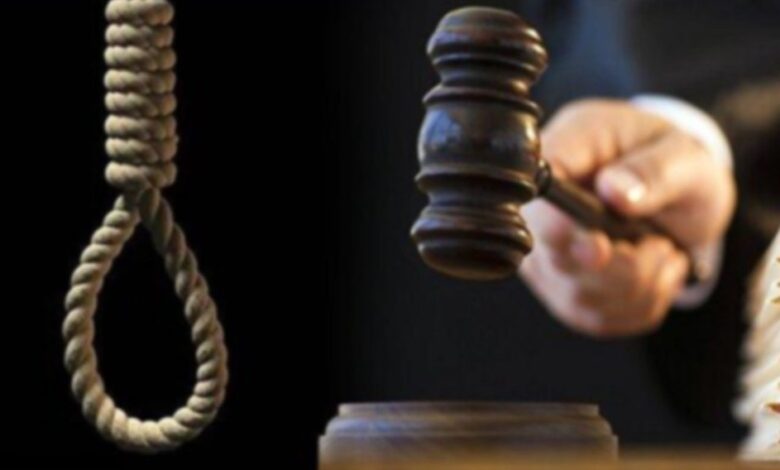
Reports from Iran indicate that 12 detainees in the “Alighani Square” case in Isfahan have been transferred to solitary cells and now face imminent execution. Human rights activists have described this situation as a serious red flag and warned that carrying out these sentences, especially following a process that critics say has been marred by serious judicial ambiguities, could mark one of the darkest chapters in the suppression of protesters in the Islamic Republic.
As concerns grow about the fate of detained protesters in Isfahan, reports indicate that 12 death row inmates in the case known as the “Alighani Square” case (Malekshahr) have been transferred to solitary cells—a measure that in the Islamic Republic’s judicial system is typically recognized as one of the final steps before execution of a death sentence. Although judicial authorities have not officially announced the execution date, informed sources have reported an increased risk of imminent implementation of these sentences.
According to released reports, the death sentences of these 12 individuals were confirmed by the Supreme Court and sent to the execution department of the Isfahan Revolutionary Court for implementation. This case relates to December protests in the Alighani Square area of Isfahan; protests after which dozens of people were arrested and faced serious charges.
The names of individuals facing execution are: “Alireza Sepahi, Abulfazl Sepahi, Ghaem Hosseini, Gol-Mohammad Mohammadi (Afghan citizen), Shervin Bagherian, Erfan Esfandiari, Amirhossein Safari, Amirhossein Maleki, Ali Dashti, Abulfazl Ebrahimi, Alireza Raisi, and Amirhossein Ebrahimi Analoocheh.” According to reports, some of these inmates face multiple death sentences.
Human rights activists say the transfer of these inmates to solitary confinement has heightened concerns. In recent years, there have been multiple instances where political and security prisoners have been executed only days or even hours after being transferred to solitary cells—an issue that has made any similar transfer subject to intense scrutiny.
The “Alighani Square” case has now become a symbol of the Islamic Republic’s harsh treatment of protesters. Critics argue that the widespread use of capital punishment in cases related to protests not only contradicts fair trial principles and Iran’s international obligations, but has transformed this penalty into a tool for instilling fear and silencing voices of dissent in society.
Concerns intensify when among the condemned are individuals born in 2006 and 2007; an issue that once again raises questions about judicial procedure and compliance with international human rights standards.
While human rights organizations and the families of these prisoners have called for an immediate halt to executions and a review of the judicial process in this case, the silence of Islamic Republic authorities regarding the status of these 12 inmates has compounded concerns. If reports about their transfer to solitary cells for execution prove accurate, the international community will have only a narrow window of opportunity to respond and attempt to prevent the implementation of these sentences.