120 Addicted Newborns Are Born and Die Every Month in Tehran’s Slums
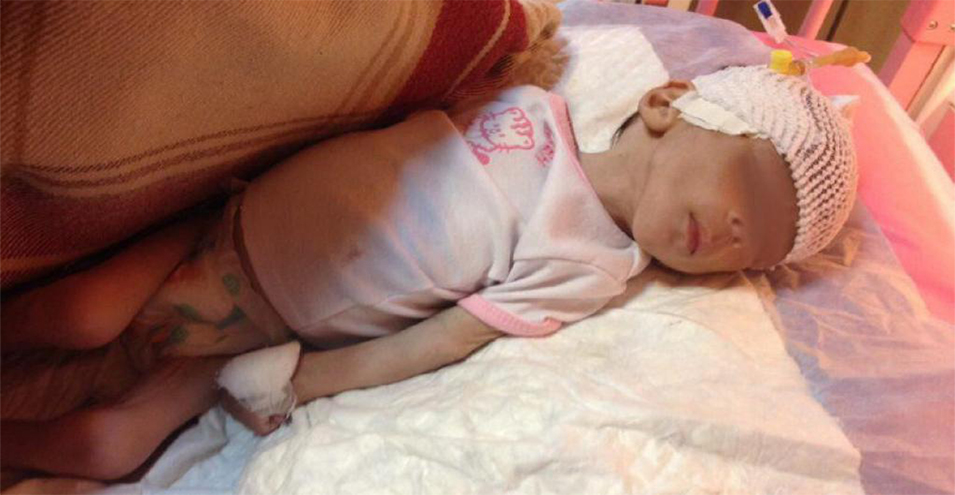
According to ISNA, Iran’s Student News Agency, an average of 120 drug-addicted newborns are born monthly in Tehran’s slums alone, most of whom die in their first days after birth as a result of addiction, are sold, or face the same fate as their addicted mothers living in cardboard shelters.
According to ISNA, these newborns born in marginalized areas are the result of a combination of urban marginalization, cardboard dwelling, poverty, and widespread addiction that increasingly affects women and children in the country. The number of Iran’s marginalized population has reached 15 million people.
ISNA has reported that there is no determination or mechanism in Iran for treating addicted newborns and preventing pregnancies among addicted women living in cardboard shelters, and according to ISNA, some of these newborns, who do not even have the strength to cry or drink, die in the corners and hallways of government hospitals across the country without support and proper treatment.
Sharmin Mimandinejad, a social activist, told ISNA: While 120 addicted newborns are born monthly in Tehran’s slums, the number of child laborers in Iran, who are victims of various harms and infectious diseases, reaches two million people.
This social activist added that the only measure taken by Iranian authorities against the addiction crisis is to execute small-scale drug dealers: people who, due to poverty, unemployment, and ultimately due to the economic inefficiency of an entire system, resort to such criminal activities.
The Deputy Minister of Interior of the Islamic Republic of Iran, in an alarming report about Iran’s social harms, particularly the addiction crisis, directly addressed to Iran’s Supreme Leader, explicitly described the government as ineffective in combating addiction. According to experts, thousands of so-called addiction treatment centers in Iran have themselves become centers for heroin distribution and the expansion of addiction and, in some cases, infectious diseases such as AIDS.
Source: rfi