16 Political and Civil Activists File Official Complaint Against Solitary Confinement
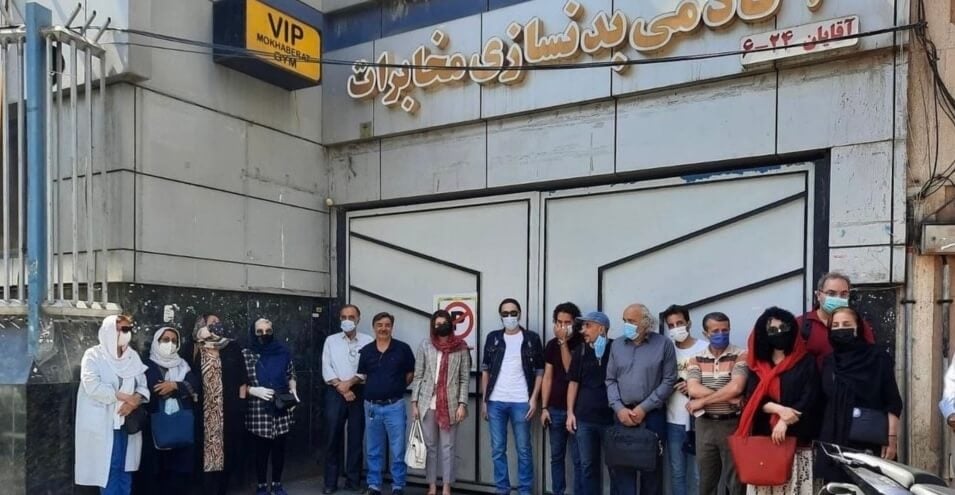
Sixteen political and civil activists who experienced solitary confinement during their detention periods filed an official complaint on Thursday, June 6, 1401 (Islamic calendar) at one of Tehran’s judicial offices against those who ordered and implemented solitary confinement.
These activists, among whom are prominent figures such as Mohammad Rasoul Afshar, Shahrnaz Akmali, Amir Khosrow Dalir Thani, Massoumeh Dehghan, Jafar Azimzadeh, and Behzad Arab Gol, considered solitary confinement practices to violate the consistency ruling of the Administrative Justice Court in 2003 (Islamic calendar 1382). They declared that those who ordered and carried out this inhumane torture must face legal prosecution.
Rahele Rahimi, Mazdak Alinezari, Majid Darri, Mohammad Reza Memarzadeghi, Behzad Homayouni, Poran Nazemi, Shakrollah Messihpour, Ruhollah Mardani, and Vida Rabbani are among other activists who filed complaints against solitary confinement.
On March 2, 2021 (Esfand 11, 1399), more than 29 political and civil activists residing in Iran who had spent extended periods in solitary confinement during their detention filed a “petition against those who ordered, implemented, and participated in” these practices.
These activists, among whom are prominent figures such as Narges Mohammadi, Abolfazl Qodiani, Jafar Panahi, Faezeh Hashemi Rafsanjani, Zhila Baniyaaqoob, Bahman Ahmadi Amouyi, Saeed Madani, Rasoul Badaghi, and others, described solitary confinement as “a clear example of torture” and demanded its cessation.
Following that, 17 political and ideological prisoners in Evin and Rajaei Shahr prisons filed official petitions in the prison ward offices, lodging complaints against confinement in “solitary cells.”
These prisoners, among whom are notable names such as Keyvan Samimi, Farhad Meysami, Arash Sadeghi, Saeid Eqbali, and Reza Mohammadhosseini, described solitary confinement as “a clear example of torture” and filed complaints against all judicial officials, those who ordered, implemented, and those who issued orders for their solitary confinement, demanding investigation.
International human rights organizations, including Amnesty International, have repeatedly stated in their announcements regarding Iran’s political and ideological prisoners that solitary confinement cells violate international law and constitute torture, and have called for an end to prisoner detention in solitary cells.
In recent years, Iranian judicial officials, citing the Supreme Leader of the Islamic Republic, have stated that “spending one month in solitary confinement is equivalent to spending one year in a general prison.”
In September 2013 (Mehr 1392), Nemat Ahmadi, spokesman for the Judiciary Committee of the Islamic Consultative Assembly, said the Supreme Leader of the Islamic Republic issued a fatwa to the Guardian Council stating that “solitary confinement is torture.”
Despite such precedents, long-term detention of prisoners in solitary cells, interrogation, and torture remain a common approach by security and judicial authorities in Iran.
Source: Radio Farda