1,700 Villages in South Khorasan Left Uninhabited
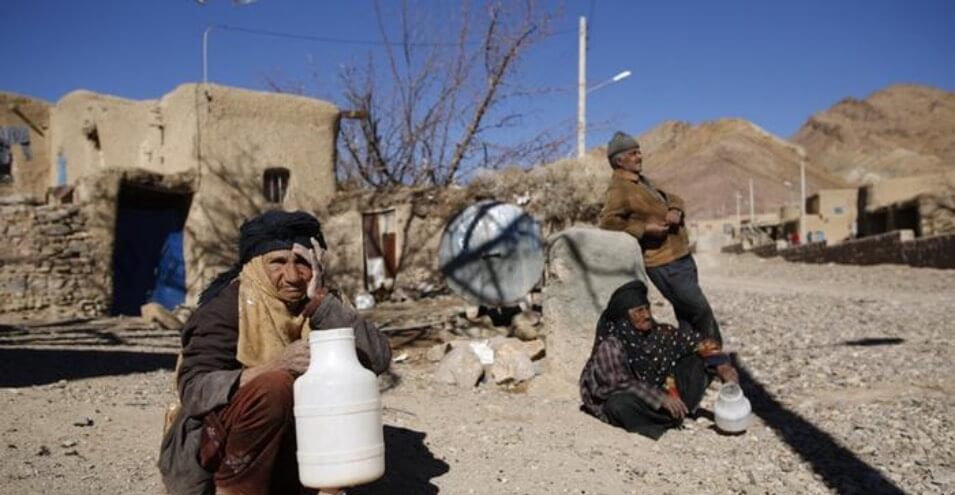
According to a news website report, water scarcity, unemployment, and lack of infrastructure have caused villagers to flee their hometowns. In South Khorasan alone, 1,700 villages have been left uninhabited.
Mehr News Agency reported on Saturday, June 31 (May 20), about the migration of villagers to cities in South Khorasan.
This report is consistent with what has been published over the past year about the depopulation of villages in several Iranian provinces.
Mehr, while noting that 1,700 villages in South Khorasan have been left uninhabited, writes: “Today, many villages in Nehbandan county lack water, and people are waiting for water delivery tankers. If today border residents and nomads in border villages, especially in Nehbandan, take up the burden of migration, in the not-too-distant future, the government will face substantial costs.”
Later in the report, reference is made to the “Nehbandan Development Plan,” a plan approved by Supreme Leader Ayatollah Khamenei’s visit to the city in September 1999, but has not been implemented even after 21 years.
Ali Reza Abadi, Khamenei’s representative in South Khorasan, recently warned that the migration of villagers to cities would create problems for the government.
According to Abadi, in some villages people lack drinking water, and “with such conditions, there is no longer any hope for staying in villages.”
The main reasons for village depopulation are cited as water scarcity, extreme unemployment, backwardness in healthcare, and lack of infrastructure and communication facilities.
Situation in Other Provinces
Based on reports published over the past year about rural migration, the situation in many villages in other provinces is also abnormal.
In December 2019, the Deputy Minister of Cooperatives, Labor, and Social Welfare announced that out of six thousand villages in Khuzestan, two thousand villages have been left uninhabited.
Ali Shirkhani had said that to encourage villagers to stay, suitable jobs must be created and farmers must be covered by social insurance.
Shirkhani emphasized: “Unfortunately, in the southern provinces of the country we have the least insurance coverage, which shows a lack of coordination and cohesion among them; we must be forward-thinking and teach people foresight.”
In October 2019, the director general of rural affairs and councils in East Azerbaijan province also stated that out of 3,073 villages in the province, 268 villages are uninhabited, saying the main reason for villagers fleeing their hometowns is drought and lack of suitable job opportunities.
In October 2019, “Noon Economic” reported, citing the Ministry of Cooperatives, that 35,000 villages in Iran have been left uninhabited.
Mohammad Omid, Deputy Minister for Rural Development and Deprived Areas, denied the figure of 35,000 in a telephone interview with the news network and said: “In the country we have 97,000 inhabited areas, of which 62,000 are populated, and the remainder of 35,000 inhabited areas are not all villages but some are gas stations, restaurants, and the like. Approximately one-third of this figure, that is 12 to 13 thousand inhabited areas were villages that have been left uninhabited.”
Source: DW