2015 US Report on Religious Freedoms: ‘380 Members of Religious Minorities Imprisoned in Iran’
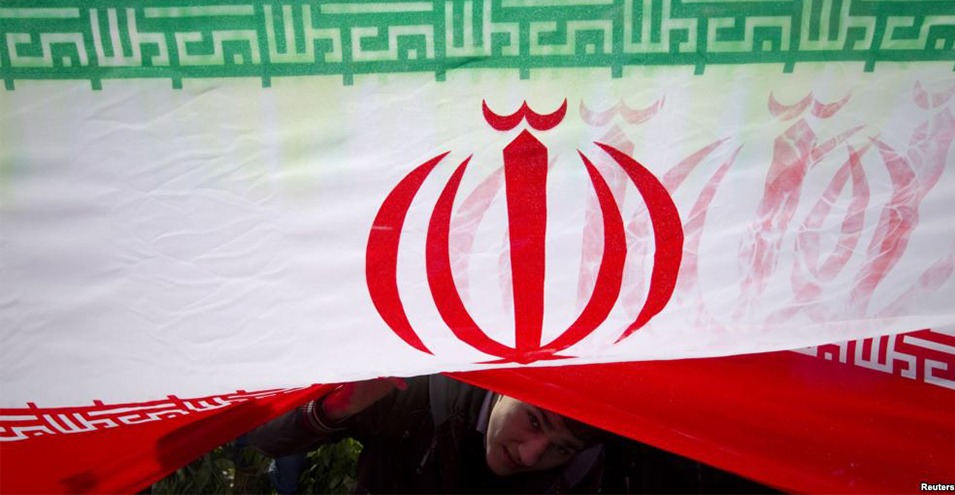
The US State Department released its annual report on religious freedoms worldwide on Wednesday, August 20, emphasizing—as in previous years—the continued restrictions imposed on religious minorities in various countries, including Iran.
The US government report on the continued restrictions imposed on religious minorities in various countries, including Iran, relied on documented evidence, but initially pointed to the persistence of religious and sectarian prejudice around the world, stating that all countries are committed to respecting religious freedom and the religious beliefs of their people.
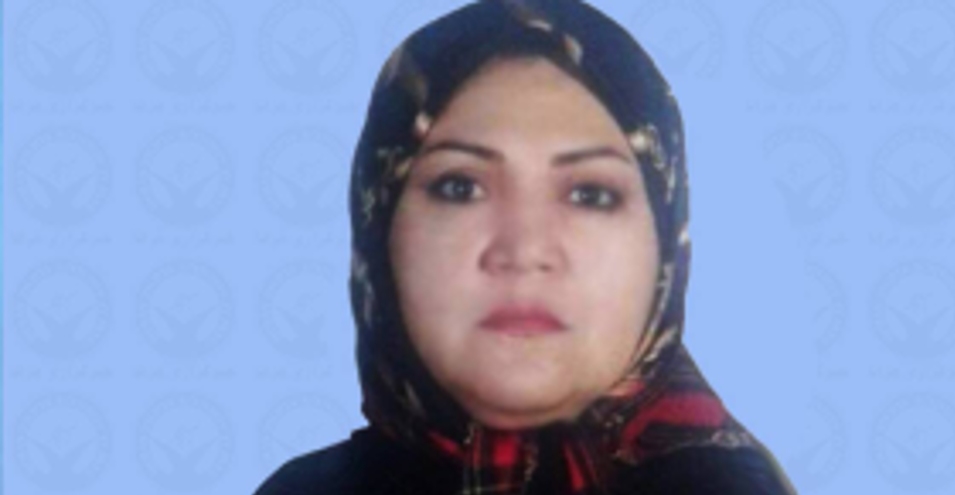
Anthony Blinken, Deputy Secretary of State of the United States, at a press conference, began the 2015 report on the status of religious freedom in the world with the story of the brutal murder of a 19-year-old Afghan citizen named “Farkhunda Malikzada” by fanatic individuals in Kabul and listed other instances of violations of religious freedoms in Pakistan, Saudi Arabia, and Sudan, while emphasizing the role of non-state actors such as the Islamic State group in suppressing people with different beliefs.
Mr. Blinken said: “Previously, US State Department reports were limited to actions by governments, but now terrorist groups such as ISIS, Al-Qaeda, Al-Shabaab, and Boko Haram have been added to the list of major violators of religious freedoms.”
In the section on religious and sectarian restrictions in Iran, the US State Department report first mentioned the execution of twenty people on charges of “waging war against God,” stating that among those executed were Iranian Kurdish Sunni Muslims.
Beyond this, a number of other Sunni prisoners, including clerics of this faith, are awaiting execution.
The US government report, citing the Iran Human Rights Documentation Center, states that by the end of last year, at least 380 members of religious minorities were imprisoned in the prisons of the Islamic Republic, of which approximately 250 are Sunni Muslims, 82 are Baha’is, 26 are Christian converts, 16 are Sufis, and 2 are Zoroastrians.
The US State Department, quoting representatives of the Baha’i faith in its annual report, stated that the Islamic Republic of Iran continues to prevent Baha’i religious gatherings and the normal activities of their institutions, persecutes Baha’i believers, and does not recognize their ownership of their properties.
This report also includes accounts from Iranian exiles regarding Christians, particularly Christian converts, stating that the harassment and detention of these converts is applied at a disproportionate level.
Anthony Blinken, while presenting the annual report on the status of religious and sectarian freedoms in the world during the past year, emphasized that the United States firmly believes in religious freedom for all people.
He said: “In the twenty-first century, the true wealth of nations lies in their human resources and their ability to employ these capabilities and respect freedom.”
The Deputy Secretary of State added: “Countries that are able to fully utilize the potential of their people and invest in the health, well-being, and diversity of their societies will succeed in the 21st century.”
The annual US government report also devoted a section to restrictions and violations of religious and sectarian freedoms in Saudi Arabia, in which instances are cited where the intolerance of authorities toward other believers has been severely condemned.
This report also briefly mentions violations of the religious and sectarian rights of citizens in more than twenty countries around the world, and notes that in 2015, the second major Catholic church in the emirate of Abu Dhabi was opened.
Source: Radio Farda