500,000 Afghan Refugees Have Fled to Iran in Current Year
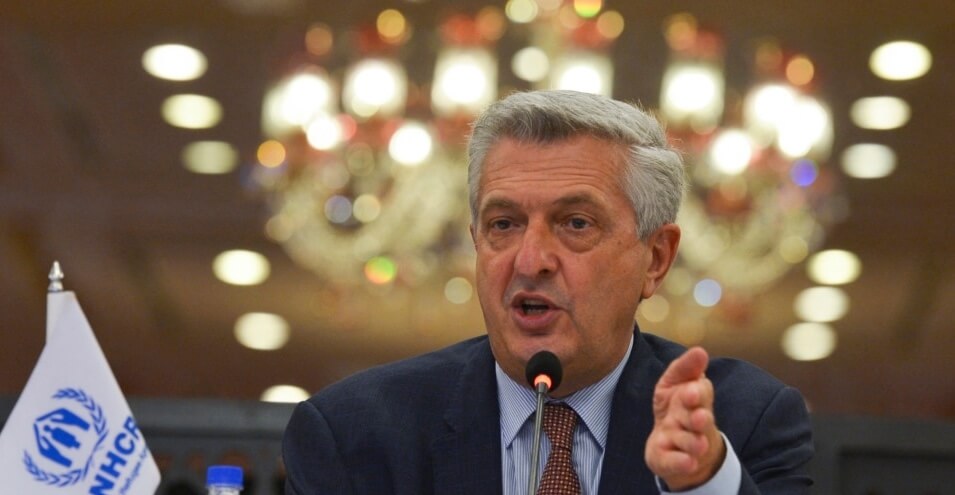
Filippo Grandi, the United Nations High Commissioner for Refugees, at the conclusion of his three-day visit to Iran, called for increased international community assistance to Iran’s government and people for accepting refugees fleeing Afghanistan due to the country’s deteriorating conditions.
Initial estimates by Iran’s government indicate that around 500,000 Afghan citizens have entered the country in 2021.
The UN High Commissioner for Refugees announced on Tuesday, December 21, in a statement that Filippo Grandi met and held discussions with Iran’s foreign minister, interior minister, and health minister during his Tehran visit, with the main topic of these discussions being how to provide assistance and address the needs of refugees who have recently arrived in Iran from Afghanistan.
Mr. Grandi emphasized in these meetings the necessity of registering and issuing some form of residency documents to these individuals and urged the Iranian government to pay attention to the importance of protecting refugees and the dangers they would face if they return to Afghanistan.
The UN High Commissioner for Refugees also traveled to Zahedan, the capital of Sistan and Baluchestan Province, where he met with a number of refugee families who fled from Nimruz Province to Iran approximately four months ago.
During these meetings, Mr. Grandi said the refugees shared with him the suffering and hardships that caused them to flee Afghanistan. Young women and girls expressed their distress over abandoning their studies and work, saying they have no hope for their future or that of other Afghan women.
In another part of his visit to Sistan and Baluchestan, Mr. Grandi visited facilities under construction for the temporary settlement of a group of refugees 14 kilometers east of Zabol and reviewed their urgent needs, including registration and temporary residency in Iran.
The UN High Commissioner for Refugees is also in discussions with the Iranian government regarding the possibility of settling some Afghan refugees in urban areas.
Filippo Grandi stated: “Despite severe economic difficulties and the consequences of the coronavirus crisis in recent decades, the Iranian government has been a generous host to a large number of Afghan refugees. However, as the situation in Afghanistan worsens, it is necessary that we ensure the security and urgent needs of those coming to Iran.”
He added: “The UN High Commissioner for Refugees has increased its efforts to assist Afghan refugees this year, and in cooperation with the Iranian government, we will work to ensure that the burden of hosting and assisting refugees does not fall solely on this country. We call on the international community to increase their assistance to public services, particularly Iran’s health and education sectors, and to donate more vaccines to Iran for equitable and fair vaccination of residents of border provinces and Afghan refugees.”
Another objective of the UN High Commissioner for Refugees is to assist Afghan students in pursuing higher education in Iran while at the same time helping those refugees who wish to return to Afghanistan.
The UN High Commissioner for Refugees reminded at the end of its press statement that Iran is one of the countries in the world hosting the largest number of refugees and has been host to millions of Afghan refugees and migrants over the past four decades. Most of these refugees have benefited from the country’s public services such as health and education and live and work in cities and villages alongside the Iranian people.
Although the primary goal for resolving Afghanistan’s humanitarian crisis is addressing existing challenges in the areas of humanitarian assistance, improving the economy and national development of the country, assisting host countries in meeting refugee needs in various fields is also a priority.
Source: Radio Farda