80% Price Increase in Food Items in Iran; Raisi: European Countries Also Issue Coupons
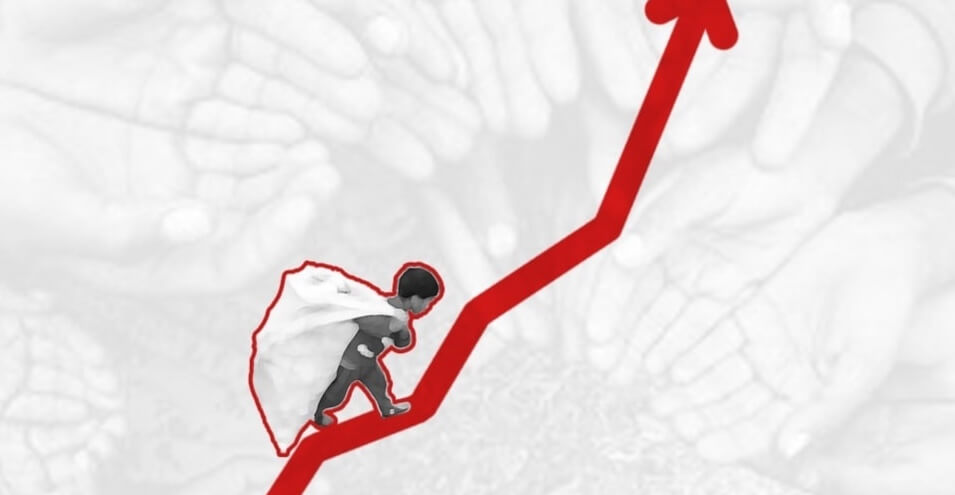
As Iran’s Statistical Center reported in its latest report that the index of food items in Iran grew by more than 82 percent in the first three months of the year, Ibrahim Raisi said on Thursday in North Khorasan: “Reforming the method of subsidy allocation was only one of the factors in the price increase of these products, and at the same time global prices also rose, one of the factors being the Ukraine war.”
Raisi added: “Some European countries have also adopted the coupon distribution method for distributing goods due to the high prices of essential commodities, and they distribute certain goods this way in their countries.”
The head of government, while considering price control and inflation reduction necessary, said: “When we took over the government, almost all of the 8 billion dollars allocated at the exchange rate of 4,200 tomans for providing essential goods in 1400 [2021-2022] had been spent by the previous government in just the first five months of that year, and no money was left for us, but despite that we managed the country for 7 months.”
In Ordibehesht of this year, the government formally raised prices of four essential items including chicken, eggs, oil, and dairy products and their subcategories by removing preferential exchange rates from essential goods. Ibrahim Raisi previously called the increase in prices of people’s necessities “unjustified” and considered “market abandonment” as a cause of public concern, saying: “The government considers itself obliged to bring peace to society through appropriate measures to regulate and oversee the market, as well as to resolve people’s life problems.”
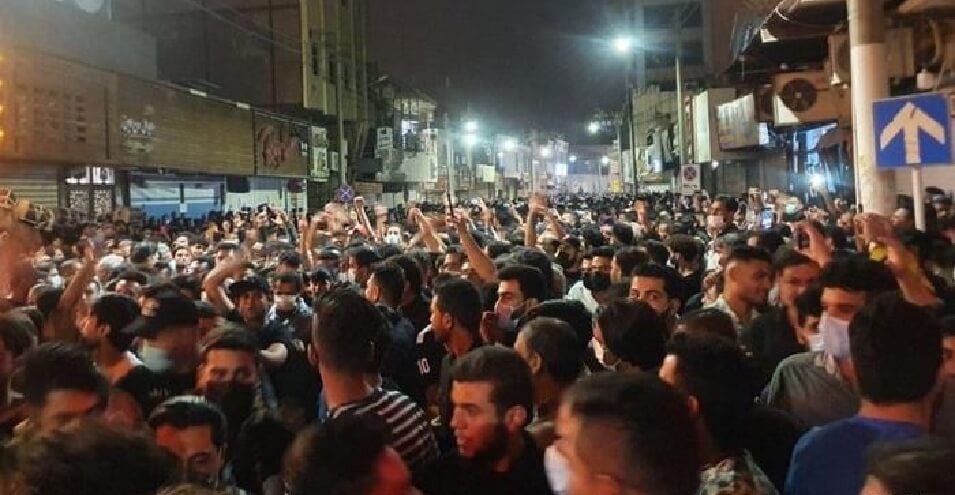
Following this government action, for several consecutive days, different cities in Iran witnessed scenes of public protests, protests that have now come close to strikes.
A parliamentarian, referring to the severe price increases in 1401 [2022-2023], said: “This price increase is the result of improper and unscientific budgeting by the government.” Mohseni Bandpei added: “If the government does not reform its budgeting method, in the coming years we will also witness inflation and price increases similar to this year and even more severe than this year.”
Iran’s Ministry of Industry, Mining and Trade had warned in Farvardin about the increase in poverty concurrent with the peak in prices.
Experts from this ministry announced: “Sanctions and restrictions on financial and monetary exchanges, reduction of household income and purchasing power, decline in domestic demand and rise in the poverty line, high structural inflation and market instability” would be among the main problems of the Iranian people in 1401. They also considered “widespread budget deficits and structural problems of the banking system and pension funds, inappropriate monetary policies and lack of central bank oversight of banks, and absence of transparency and financial and administrative corruption” as issues and problems that harm Iran’s economy from the government and system.
This is while some economic experts believe that the Islamic Republic in Iran is seeking to liberalize price increases to start economic growth. According to these experts, the government is seeking to create economic growth using inflationary tools, and this occurs because it creates production growth in conditions where costs also rise, which effectively has a negative role in household livelihoods, and this policy will certainly lead to more poverty.
Source: Voice of America