Amnesty International Again Calls for UN-Led Investigation into November Protests
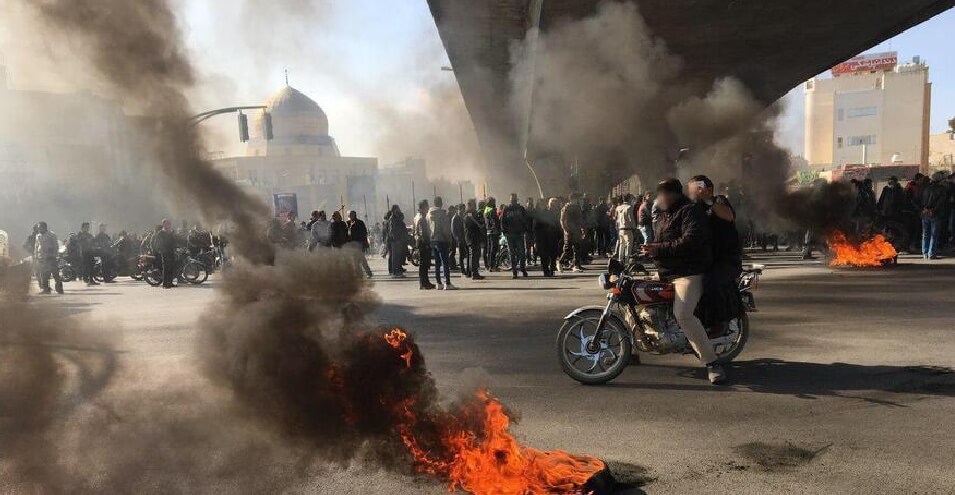
Human Rights Watch announced in a report that it is repeating its request to the United Nations Human Rights Council to establish a UN-led investigation into serious human rights violations during and after the protests.
Human Rights Watch, in a report published on Tuesday, November 17, stated that one year after the November protests, “Iranian authorities have avoided any genuine accountability for the bloody crackdown against widespread protests last year.”
Tara Sepehrifar, Iran researcher at Human Rights Watch, said: “One year after the November crackdown, Iranian authorities have shown no sign of accountability and continue to harass the families of those killed during the protests.”
She added: “Families of hundreds of victims, most of whom are from the most deprived sections of Iranian society, have the right to witness the prosecution of those responsible for serious human rights violations.”
The Iran researcher at Human Rights Watch, noting that Iranian authorities systematically suppress the efforts of those seeking justice for the bloody November crackdown, believes that the international community should “pressure Iranian officials and take action to ensure that Iran does not escape the consequences of such a bloody crackdown.”
In part of this report, it is stated that Human Rights Watch is repeating its request to the United Nations Human Rights Council to establish a UN-led investigation into serious human rights violations during and after the protests.
Amnesty International also, coinciding with the anniversary of the November 2019 protests and the arrival of November 25, the deadliest day of clashes between security forces and people, unveiled a website showing information and documents about internet shutdowns aimed at concealing the scale of the killing of protesters.
The website lists the full names of 233 people killed, noting the date and location of their deaths. The website also notes that at least 23 of the victims were under 18 years old. The organization also announced that security forces’ bullets hit vital organs such as the head, neck, and chest in half of the cases. This means these forces were firing with the intent to kill protesters.
Last year’s November protests began following a sudden increase in gasoline prices starting Friday night, November 15, in several Iranian cities including Mashhad, Ahvaz, Khorramshahr, and Behbahan. Iranian state television announced the tripling of gasoline prices in the first hours of Friday. The protests initially proceeded peacefully, and people in cities such as Tehran, Mashhad, Shiraz, Isfahan, and Tabriz protested the gasoline price increase by turning off their cars on the streets and chanting slogans such as “Oil money is lost, spent on Palestine,” and “Death to inflation.” However, police and security forces attacked the protesters.
US Secretary of State, in the first response to widespread protests in Iranian cities, said on Saturday, November 25, in a tweet that the United States stands with the Iranian people. Morgan Ortagus, a State Department spokesperson, also on Saturday, in a tweet condemning internet shutdowns in Iran, addressed Islamic Republic officials: “Let people speak.”
Source: Voice of America