Amnesty International: Release Labor Rights Activists and Teachers
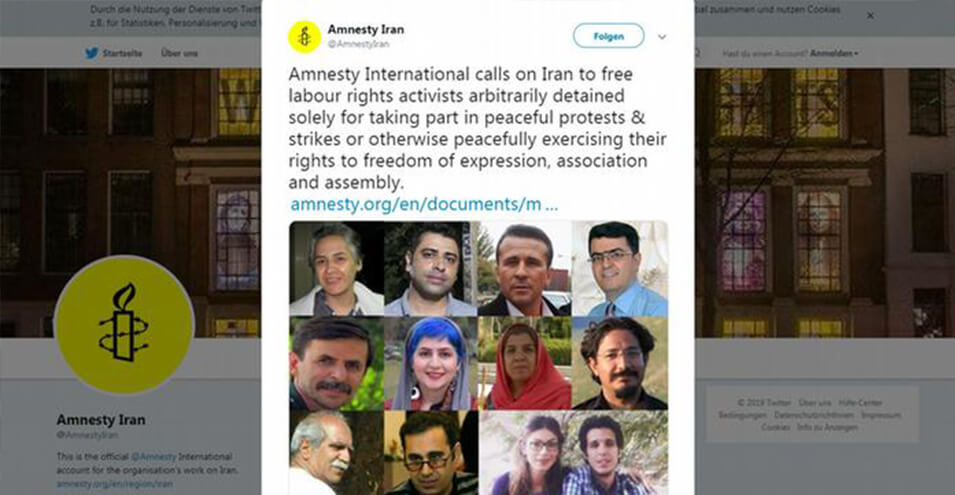
Amnesty International called for the immediate release of workers and activists who have been arbitrarily detained solely for participating in peaceful protests and strikes or for actions within the framework of legal pursuits such as freedom of expression, forming associations, and holding gatherings.
Amnesty International, in a statement issued on the occasion of International Workers’ Day, called for the unconditional and immediate release of workers and other activists who have been arrested for participating in peaceful protests and strikes.
The statement notes that based on this organization’s investigations from May 1st of last year until this year’s International Workers’ Day, hundreds of workers and labor rights defenders in Iran have been detained. Amnesty International views these detentions as part of an organized campaign by the Islamic Republic authorities to suppress unrest and public protests.
The statement indicates that over the past year, prison sentences have been issued for dozens of people, and flogging sentences have been imposed in at least 38 cases for activists. Ismail Bakhshi and Sepideh Qolian are among those detained for whom Amnesty International has called for impartial investigations into their complaints of torture and ill-treatment.
Amnesty International, in this statement, referring to the deepening economic crisis in Iran, partly due to the imposition of American sanctions and peaceful protests by workers, has accused Iranian authorities of arresting hundreds of teachers, truck drivers, and factory workers instead of addressing the complaints of workers and employees.
This independent human rights institution has pointed to the detention of more than 20 teachers from April of last year until this year, some of whom have been sentenced to imprisonment, flogging, and other punishments. According to Amnesty International’s investigations during this period, hundreds of labor rights activists have been arbitrarily detained, with at least 12 of them remaining in prison.
In its statement, Amnesty International has referred to the peaceful nationwide strikes of truck drivers last year, the protests and strikes of steel workers in Ahvaz and Haft Tappeh sugar cane workers in recent months, the arbitrary detentions, torture of detainees, and even death threats against truck drivers, considering these cases as clear violations of human rights laws and standards.
The U.S. State Department, referring to Amnesty International’s statement, criticized the detention of labor activists on Workers’ Day, writing: “With the amount [the regime] has spent in Syria, it could have paid workers’ rights. Iranian workers do not deserve to be arrested on Workers’ Day.”
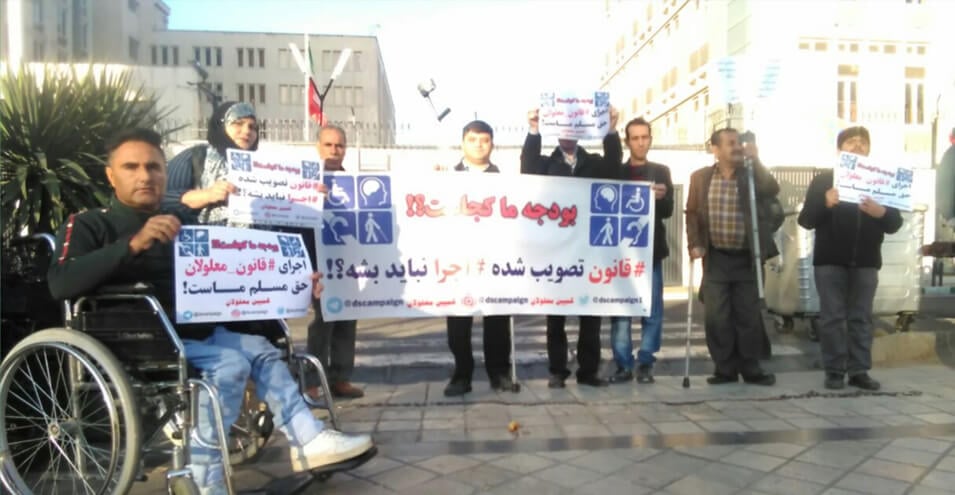
Yesterday (April 21/May 1), according to reports from several labor unions, dozens of participants in the International Workers’ Day gathering and on the eve of Teachers’ Day in front of the Islamic Consultative Assembly were arrested. According to news published on social media and domestic media, in addition to workers, students and retirees also participated.
Concurrently with the gathering in front of the parliament, official gatherings were also held in some Iranian cities, including in front of the House of the Worker in Tehran. According to reports from the Free Union of Iranian Workers, security forces “attacked” the workers’ gathering in front of the House of the Worker.
Amnesty International’s statement said: “The right to strike is guaranteed in Article 8 of the International Covenant on Economic, Social and Cultural Rights and the right to freedom of peaceful assembly is guaranteed in Article 21 of the International Covenant on Civil and Political Rights. Iran is a party to these international covenants. The right to protection against torture and other cruel, inhuman, and degrading treatment is not only guaranteed in Article 7 of the International Covenant on Civil and Political Rights but is also recognized as one of the established principles of international law.”
Source: DW