Amnesty International Warns: War Used as Cover to Intensify Crackdown on Dissidents in Iran
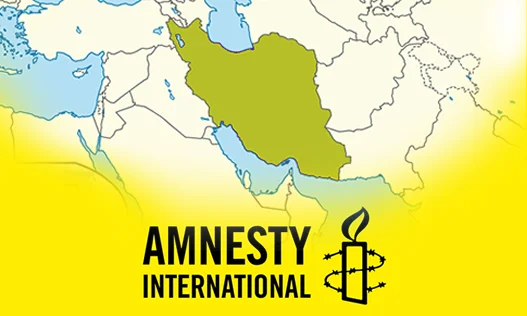
Amnesty International has warned in a recent report that Iranian Islamic Republic authorities have significantly expanded the repression of opposition activists, civil rights activists, and religious and ethnic minorities following the onset of recent military confrontations. The organization states that since the war began, thousands of people have been arrested across Iran, dozens have been executed in political cases, and simultaneously, the longest documented internet shutdown in global history has severely restricted independent reporting and monitoring of human rights conditions.
According to the report released by Amnesty International, Iran’s security and judicial authorities have exploited what is described as “wartime conditions” to intensify pressure on critics and opponents. The report reveals the arrest of over six thousand people, including journalists, lawyers, human rights defenders, political activists, and members of ethnic and religious minorities, and states that many of these cases have been handled at an unusually rapid pace without respect for fair trial standards.
Amnesty International also announced that since the onset of military attacks in late February 2026, at least 39 people have been executed in cases of a political nature. According to the organization, several of these individuals have faced death sentences following trials marked by forced confessions, denial of effective access to lawyers, and violations of defendants’ rights.
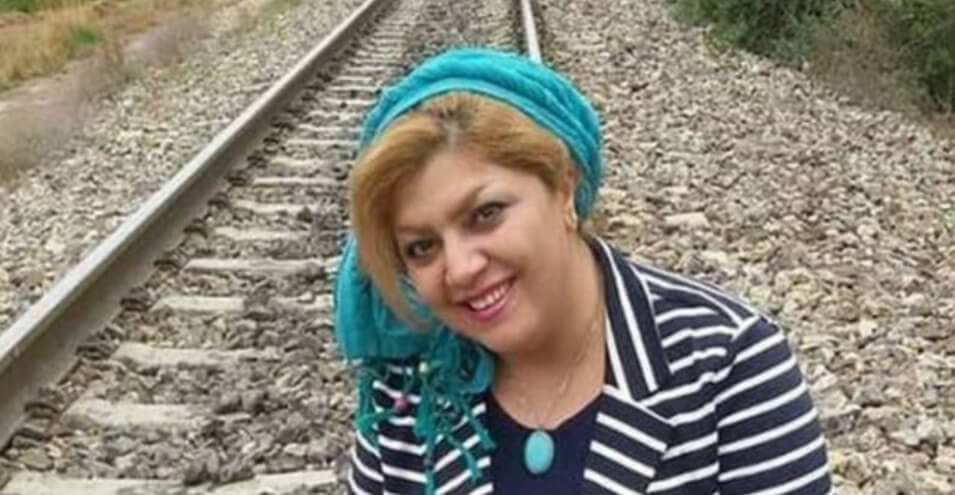
One of the important focal points of the report is the issue of enforced disappearances of detainees. Amnesty International states that families of many detainees have been unaware of their whereabouts or condition for weeks and even months. Among the names mentioned in the report are Nasrin Sotoudeh, Astareh (Maryam) Ansari, Elham Zaraatpishe, and Mary Mohammadi. The organization states that Mary Mohammadi, a human rights activist and Christian citizen, has been missing since late February 2026, and authorities have provided no clear information about her fate.
Another section of the report addresses the situation of religious minorities. Amnesty International states that security measures against members of religious minorities have intensified in recent months, and several have faced severe prison sentences. The organization also reported multiple accounts of torture, detention in solitary confinement, deprivation of family contact, forced confessions, and restricted access to lawyers.
One of the most prominent cases highlighted in the report is the internet shutdown lasting over 88 days in Iran; a measure that Amnesty International describes as the longest documented internet blackout at the country level. According to the organization, this widespread restriction not only cut off millions of Iranians from the outside world but also created conditions that made documenting and recording human rights violations more difficult. Independent reports also indicate that this internet shutdown has caused extensive damage to Iran’s online businesses and digital economy.
Erika Guevara Rosas, senior director of research, policy, advocacy and campaigns at Amnesty International, stated in part of the report: “Iranian authorities are exploiting this crisis to further undermine the human rights of the Iranian people; people who are already suffering from the devastating consequences of unlawful aerial attacks by United States and Israeli forces, as well as decades of international human rights violations by the Islamic Republic.”
She further added: “To maintain their grip on power, authorities have launched an all-out assault on the Iranian people, and anyone who dares to criticize the Islamic Republic, share information about American or Israeli aerial attacks or human rights violations with the outside world, or simply try to survive the longest documented internet shutdown to stay in touch with loved ones or access independent information, is being targeted.”
Amnesty International concluded by calling on the international community to prevent Islamic Republic authorities from using wartime conditions as a cover to intensify domestic repression. The organization has demanded the release of arbitrarily detained individuals, an end to torture and mistreatment of prisoners, clarification of the fate of those forcibly disappeared, lifting of internet restrictions, and an immediate halt to executions. The publication of this report coincides with increasing criticism in international bodies regarding the human rights situation in Iran; criticisms that have also been echoed in the European Parliament in recent weeks.