An Unprecedented Blow to Iran’s Power Structure with the Death of Ali Larijani
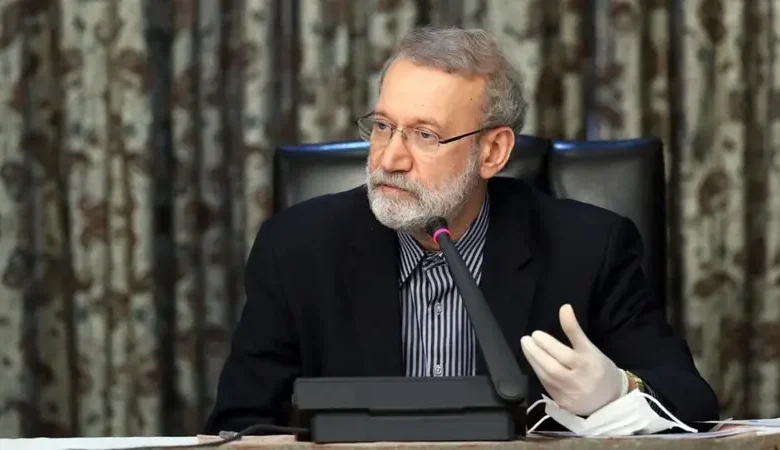
The killing of Ali Larijani in Israeli and American attacks has intensified regional tensions and sparked global reactions.
As military clashes between Iran and the U.S.-Israel coalition escalate, reports indicate that Ali Larijani, a key figure in Iran’s security and political structure, was killed in targeted aerial strikes.
According to statements from Israeli officials, the strike was carried out near Tehran as part of a broader operation against senior officials of the Islamic Republic.
Israeli officials claim that Larijani, as one of the main pillars of Iran’s security decision-making, played a key role in regional policies and the management of internal crises.
However, as of the time of this report, official Iranian authorities have not yet confirmed his death. This event occurs as the ongoing war has entered a critical phase and resulted in extensive casualties.
Benjamin Netanyahu, Prime Minister of Israel, stated in remarks: “This morning, we removed Ali Larijani. He was the commander and the mastermind of the military structure.” He characterized this action as part of efforts to weaken Iran’s power structure.
Donald Trump, President of the United States, in response to developments in the Iran conflict, emphasized: “We no longer need or want the help of allies.” He also expressed support for continued pressure on Iran.
The EU’s foreign policy chief also stated: “No one is prepared to put their people at risk.”
This position reflects Europe’s desire to distance itself from direct military involvement.
While Iran has not yet confirmed Larijani’s death, officials in the country have previously emphasized that they will not retreat in the face of attacks and will respond.
The escalation of violence and the elimination of key political figures have intensified serious concerns about the future of peace in the region. As tensions continue to expand, many religious leaders and international bodies emphasize the necessity of returning to dialogue, reducing violence, and protecting civilian lives.