Arrest of Christian Citizens in Yazd; Repetition of ‘Security Allegations’ Scenario for Suppressing Faith
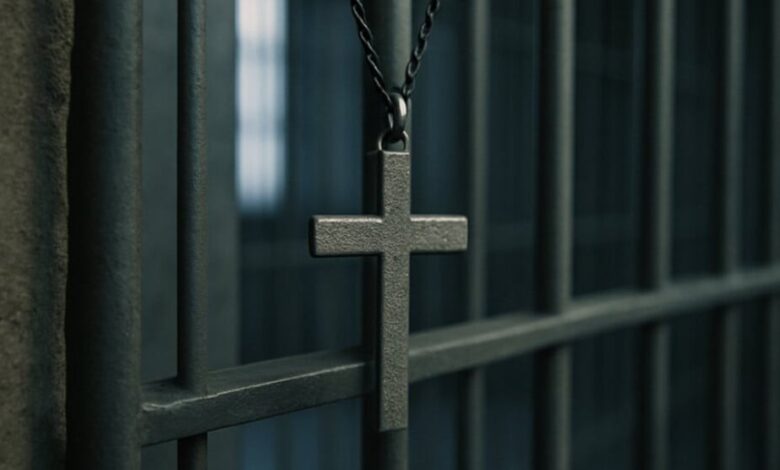
In continuation of pressure on Christians in Iran, three citizens in Yazd have been arrested on charges such as “propagating Christianity” and “action against national security”; charges that have repeatedly been used as a tool to restrict religious freedom.
In the latest wave of action against Christian citizens in Iran, judicial authorities in Yazd Province have announced the arrest of three Christian citizens. These individuals have been arrested on charges of “establishing house churches and propagating Christianity”; a charge that in recent years has become one of the main pillars of case-building against Christians.
According to reports published in official media, “Mahdi Hasanpour,” the General and Revolutionary Prosecutor of Yazd, introduced these individuals as “key operatives of a Christian propaganda network” and announced that their arrest was carried out by court order through “the anonymous soldiers of the Imam of the Time.” According to him, these individuals launched a house church and recruited several people through two “Christian propaganda conduits linked to the Zionist regime.”
Following these statements, more serious charges have also been raised, including “tearing up and burning several copies of the Quran, insulting sacred objects, Shia clerics, and religious sites.” It has also been claimed that some related parties in this case have prayed for Israel’s victory, claims that have been repeated in many similar cases without presenting independent documentation.
Media outlets close to security institutions have also attempted to portray these individuals as extremists using similar language. In one of these reports, it stated: “The leader of this sect in the province first claimed to be chosen by God and then claimed to be God.” He has also been accused of “multiple abuses of followers”; claims that have previously been raised in official narratives to discredit independent religious groups.
However, none of these reports have mentioned the identity of those arrested, their place of detention, or their access to lawyers; ambiguities that increase concerns about the legal and humanitarian status of these individuals.
The term “Zionist Christianity” used in this case is among the keywords that the security and judicial apparatus of the Islamic Republic uses to attribute religious activities to political threats. In many cases, Christian citizens face charges such as “action against national security” or “connection with Zionist movements”; charges that have been repeatedly questioned by international human rights organizations.
Reports from organizations defending religious freedom show that Iran remains one of the countries where religious conversion and independent religious activities are accompanied by the risk of arrest, interrogation, and severe sentences. House churches, which are often the only safe gathering place for citizens, are continuously targeted for surveillance and action by security agencies.
Under such circumstances, many observers believe that filing broad and sometimes unprovable charges is aimed at controlling the social environment, creating fear, and preventing the spread of differing beliefs in Iranian society, rather than being based on evidence.