Arrest of Young Bahai Citizen Continues Pattern of Systematic Suppression of Minorities Under Selective Exploitation
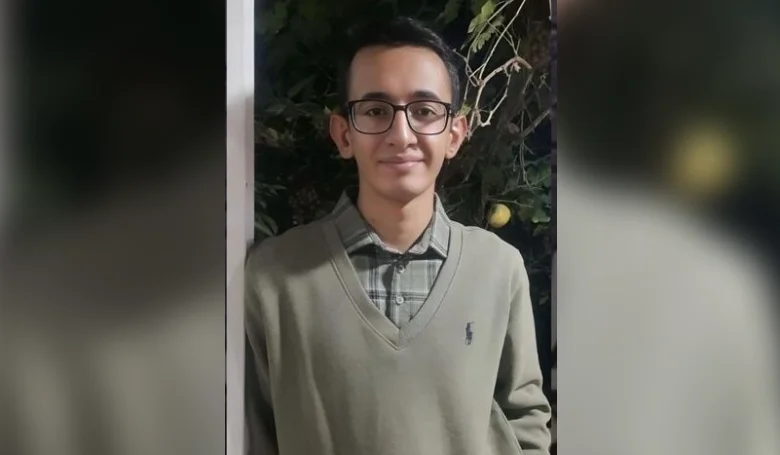
Continuing a trend that human rights organizations describe as “structural discrimination against religious minorities in Iran,” Parsa Najafi, a 19-year-old citizen and follower of the Bahai faith living in Isfahan, has been arrested following a raid by security forces on his family home and transferred to Isfahan Central Prison (Dastgerd). This arrest, which took place on June 6, 2026, has once again drawn attention to the situation of Bahai adherents in Iran; a community that has long faced extensive restrictions, arbitrary detention, and social and economic deprivation.
In numerous reports by international human rights organizations, including Amnesty International and Human Rights Watch, the continuance of discriminatory policies against Bahai adherents in Iran has been repeatedly emphasized over recent years; an issue that has come under attention once again through the arrest of young 19-year-old Parsa Najafi in Isfahan and his transfer to the city’s central prison, framed as a new case, and according to observers, represents another sign in the recurring cycle of security pressures on religious minorities in Iran.
Based on published information, security officials arrested the young man without prior warning and by entering the home through an open door, claiming to present an arrest warrant. Reports indicate that concurrent with the arrest, the Najafi family home was completely searched and a number of personal items and family documents were confiscated, including mobile phones, laptops, bank cards, identity documents, books, and other personal items.
Sources close to the family have also reported rough, humiliating, and in some cases violent conduct by officials during the operation; a matter that has been repeated in previous reports regarding treatment of Bahai families and has been referenced as part of a pattern of security pressure.
Of note is that this is not the first time this family’s home has been targeted by security operations. Previously, in December 2024, a similar raid on their house had occurred, but this time the officials’ actions resulted in the direct arrest of this young citizen.
At the time of this report’s preparation, no official explanation has been released regarding the charges attributed to Parsa Najafi or his legal status, and the family has only been informed of his transfer to Isfahan Central Prison through a brief phone call.
On a broader level, human rights analysts believe the situation of religious minorities in Iran, particularly Bahais, can be examined within a framework of “institutionalized deprivation” and “securitization of religious identity”; a situation in which citizens face serious restrictions solely due to their religious beliefs, while at specific times, these very minorities are selectively referenced within propaganda or political frameworks.
Critics say this behavioral duality—namely exclusion and pressure at the domestic level and symbolic use in certain circumstances—reflects a deep contradiction in official policy toward religious minorities; a contradiction that, in their view, has led to the continuation of a cycle of mistrust, suppression, and violation of fundamental citizens’ rights.