Attacks on Energy Infrastructure in Kuwait and Iran Heighten Regional Security Concerns
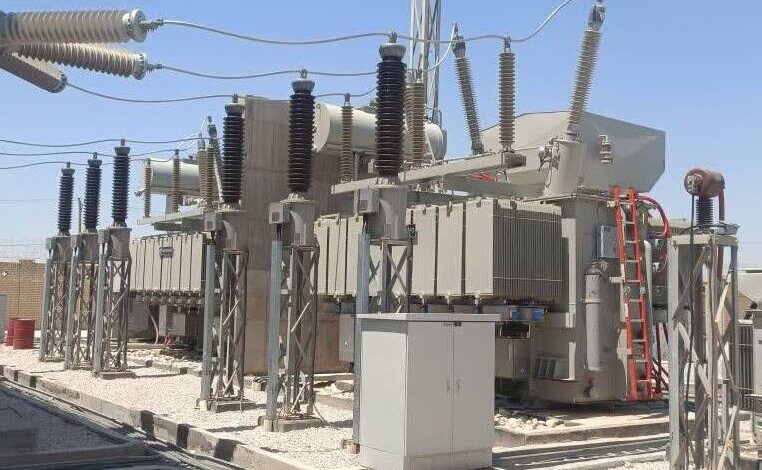
Following an escalation of military tensions in the region, Kuwait’s Ministry of Electricity, Water, and Renewable Energy announced that one of the country’s power generation plants and desalination facilities had been targeted in an attack. Simultaneously, Iran reported damage to part of its power supply infrastructure in the southern part of the country, and an oil tanker near Omani shores came under attack; a series of events that have heightened concerns about the humanitarian and security consequences in the Persian Gulf.
Kuwait’s Ministry of Electricity, Water, and Renewable Energy announced that one of the country’s critical power generation and desalination centers had been damaged following an attack attributed to the Islamic Republic.
According to a statement from the ministry, the attack caused a fire in part of the facility, and several power generation units sustained damage. Kuwaiti emergency forces responded to the incident and managed to control the fire. Kuwaiti officials stated that technical teams are assessing damages, conducting repairs, and working to restore the damaged units to production.
Kuwait’s Ministry of Electricity also announced that continuous monitoring of the country’s electricity network continues to maintain the stability of energy supply for citizens.
On the other side, Iran’s Ministry of Power issued a statement on Friday, July 17, announcing that power supply facilities in southern Iran had been targeted in an attack. However, the ministry did not release further information regarding the exact location of these facilities, the extent of damages, or the perpetrator of the attack.
The Ministry of Power requested residents of southern regions of the country to turn off their air conditioners for at least one hour during peak consumption hours to prevent additional strain on the power network.
This request came as Islamic Republic officials have not provided clear details about how the attack occurred, instead focusing only on managing electricity consumption.
Ali Shirazi, editor at Iran International, commented on recent developments: “American attacks on the Islamic Republic entered a new phase from Friday morning, and America had previously warned that if the agreement is not implemented, bridges and power plants would be targeted in attacks.”
He also warned that continued damage to communication routes and bridges, particularly in southern regions of Iran that play a crucial role in goods transportation, could increase the risk of severe food shortages.
Meanwhile, Bijan Kian, a national security expert, referring to Donald Trump’s statements about achieving “great accomplishments” in Iran, said the American goal is to limit the Islamic Republic’s capability to conduct military operations from Iranian soil toward the sea.
He added: “Commanders of the Islamic Republic’s armed forces have a duty to discharge soldiers during a military siege to preserve their lives.”
As tensions in the region escalate, the UK Maritime Trade Operations Agency (UKMTO) announced that an oil tanker near Omani shores had been hit by an unidentified projectile.
The incident occurred approximately 19 nautical miles, equivalent to about 35 kilometers, east of the Port of Khassab in Oman. According to the agency’s announcement, all crew members of the tanker are safe, and no reports have been released regarding marine pollution or environmental consequences of the incident.
The UK Maritime Trade Operations Agency did not provide further details about the type of projectile used or the likely perpetrator of the attack. Recent developments continue as damage to energy infrastructure, maritime transportation, and critical facilities in the region have heightened concerns about the direct impact of the conflict on civilian lives and global energy security.