Iran: A Cemetery of Press Freedom and a Nightmare for Independent Journalists Under the Islamic Republic
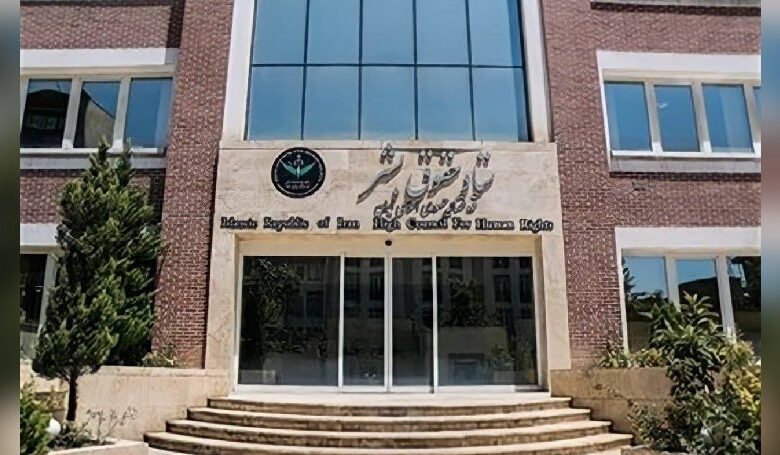
The Islamic Republic has transformed Iran into a cemetery of press freedom and a daily nightmare for independent journalists.
The Center for Human Rights in Iran (CHRI) on Wednesday, September 3rd, released a new statement painting a dark picture of the situation of journalists and media in the Islamic Republic, declaring: “Iran has today become one of the most dangerous countries for independent journalists to operate, and press freedom has been effectively destroyed.”
The human rights organization emphasized that following the 12-day conflict and subsequent security crises, government pressure on media has increased to an unprecedented level, including threats, surveillance, closure of news offices, arbitrary arrests, and legal persecution against any journalist who deviates from the government’s official line.
The director of the Center for Human Rights in Iran stated in the statement: “Imprisoning journalists is part of the strategy of suppressing protests and maintaining power.”
He also called for international community support for Iranian journalists, emphasizing that silence in the face of media suppression amounts to legitimizing the Islamic Republic’s anti-human rights practices.
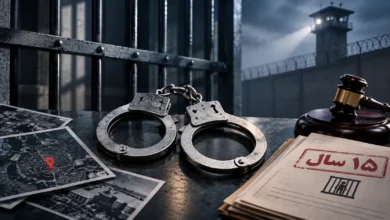
The center released a list of detained journalists under persecution, including names such as “Saeideh Shafiee,” “Omid Farraghat,” “Mansour Iranpour,” and “Mandana Sadeghi.” According to the organization, these individuals are imprisoned solely for attempting independent reporting.
In this regard, the organization “Reporters Without Borders” also published a report indicating that at least 21 journalists are imprisoned in Iran, ranking Iran at 176th in the world’s press freedom index; a position that clearly demonstrates the continuous decline of freedom of expression in the country.
The Human Rights Center also pointed to the forced closure of the Tehran Association of Journalists office and the widespread dismissal of at least 150 journalists following the 12-day conflict, considering these actions examples of the government’s effort to silence independent media voices.
The statement concluded by addressing the United Nations and governments worldwide, calling for immediate action to free imprisoned journalists in Iran.
Iran under the rule of the Islamic Republic has not only failed to honor its international commitments on freedom of expression, but has systematically destroyed independent journalists and media. What is happening in Iran today is organized censorship, information suppression, and elimination of any dissenting voice.
While the Iranian people struggle with issues such as inflation, corruption, and social crises, the government, instead of being accountable and transparent, breaks pens and throws journalists into prison. The primary victims of this policy are the Iranian people, who have been deprived of the basic right of access to free and transparent information.
Experts believe that continued suppression of journalists can intensify international pressure on the Islamic Republic. Western countries have so far imposed limited sanctions against human rights violators in Iran, but it is expected that with continued arrests, the scope of these measures will expand.
On the other hand, the United Nations and global human rights organizations will be forced to take a more explicit stance, as disregarding the state of press freedom in Iran could undermine the legitimacy of these organizations. However, experience has shown that the Islamic Republic often uses such pressure to fuel anti-Western slogans and intensify internal suppression.
The suppression of journalists is not merely about imprisoning individuals, but a fatal blow to Iranian civil society. The elimination of independent media means cutting off the free flow of information and spreading an atmosphere of rumors and propaganda. Under such circumstances, citizens are either forced to rely on state-controlled media for awareness of realities, or remain confused amid contradictory information from informal networks.
On the other hand, pressure on journalists and media closures discourage the young generation from hope for change and reforms through legal and civic channels. This very issue has become the catalyst for widespread emigration of journalists and brain drain; a trend that has intensified in recent years and has resulted in further weakening of Iranian society.