Bahrain’s Push for Military Action Authorization Against Iranian Maritime Threats and Strait of Hormuz Protection
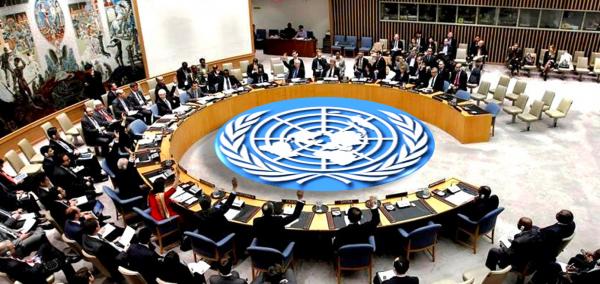
A controversial draft resolution concerning the Strait of Hormuz in the Security Council and disagreement among powers over military action authorization and containment of Iranian maritime threats reveal the breadth of the crisis in the Middle East.
Following escalating tensions in the strategically important Strait of Hormuz waterway, Bahrain has submitted a draft resolution to the United Nations Security Council seeking an unprecedented authorization to protect international shipping; an action that could significantly alter the course of security developments in the region.
According to Reuters news agency reporting on Tuesday, March 24, the draft calls on member states to employ all necessary means to ensure the security of maritime passage and transit; a phrase that in Security Council terminology is typically interpreted as potential authorization for military action.
In the text of this proposal, measures by the Islamic Republic of Iran are presented as a threat to international peace and security, emphasizing that countries can act independently or through multinational coalitions within the Strait of Hormuz and even related territorial waters to preserve freedom of navigation. Additionally, this draft provides for the possibility of implementing punitive measures including targeted sanctions.
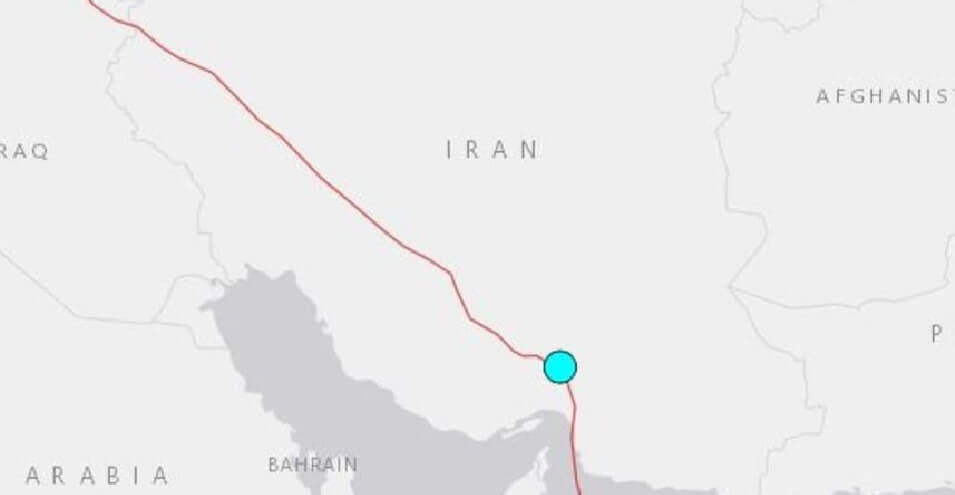
The document explicitly demands that the Iranian government immediately cease attacks on commercial vessels and refrain from any attempts to disrupt lawful passage through this vital waterway. The importance of this request becomes even clearer when one considers that the Strait of Hormuz is one of the world’s most sensitive energy chokepoints, with a significant portion of global oil and gas exports passing through it.
If adopted, this resolution would fall under Chapter VII of the United Nations Charter; a chapter that allows the Security Council to employ tools ranging from economic sanctions to military action to implement its decisions. However, diplomats believe that due to probable opposition from Russia and China, the chances of this text being adopted are not particularly high.
In contrast, France has presented a separate draft that takes a different and more cautious approach. This text, without making direct reference to Iran, emphasizes reducing tensions and returning to the path of diplomacy, calling on all parties to refrain from escalating confrontations. Unlike Bahrain’s proposal, this draft does not fall under Chapter VII and focuses more on defensive measures such as coordination for escorting commercial vessels in compliance with international law.
Recent developments in the region demonstrate increasing global concern about the security of the Strait of Hormuz. Since the beginning of recent confrontations, reports have emerged of disruptions to ship passage and restrictions on the movement of certain vessels; an issue that has prompted widespread reactions from various countries.
In this regard, more than 20 countries have announced they will cooperate to ensure the security of this vital waterway. At the same time, some reports suggest that Persian Gulf region countries are examining a more active role in potential coalitions. In particular, discussions have been raised about using military bases and even the possibility of direct participation by some countries in military operations.
International observers believe that the clash of two approaches in the Security Council—one based on pressure and decisive action and the other based on diplomacy and tension reduction—reflects a deep divide in how to address the Strait of Hormuz crisis. This difference of perspective, combined with the region’s geopolitical complexities, has shrouded the future of this vital waterway in uncertainty.
At a time when the global economy is heavily dependent on the security of energy routes, any escalation of tensions in the Strait of Hormuz could have consequences beyond the region; from rising energy prices to expanding the scope of confrontations. Now all eyes are on the Security Council to determine whether consensus for action will form or whether great power competition will once again prevent decision-making.