British Government Takes Unprecedented Action, Bans Quds Day March in London
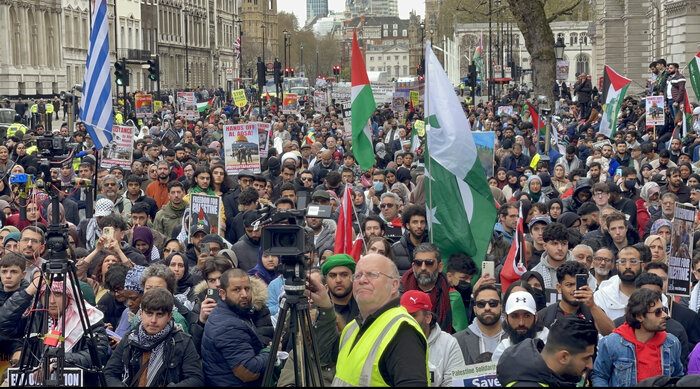
The British government, citing the danger of “public disorder” and following controversy over the organizers’ support for Ali Khamenei, has banned the Quds Day march in London; a decision that marks the first prohibition of a protest march in the capital since 2012.
The British Home Office agreed with a request from the Metropolitan Police of London to prevent the holding of the march known as “Quds Day” in the capital; a measure that, according to officials, has been taken with the aim of preventing “public disorder.”
The march was scheduled to take place on Sunday, March 15, corresponding to Esfand 24, in central London, but security officials warned that given the political conditions and existing tensions, there is a possibility of clashes between various groups and counter-protesters. On this basis, London police requested that the government revoke permission for this gathering, and the Home Office agreed to the request.
In a statement released in this regard, the British Home Secretary declared: “I am convinced that given the scale of this gathering and the holding of multiple counter-protest gatherings, at a time when ongoing conflicts in the Middle East continue, this action is necessary to prevent serious public disorder.”
He also warned that if a gathering is held in a static form, police can impose strict conditions for it, and any hateful or inflammatory activity will be met with legal action.
One of the main factors in intensifying pressure to cancel this march was the positions and statements of some of its organizers. Reports indicate that the organizers of this event have shown support for Ali Khamenei, the former leader of the Islamic Republic of Iran; a matter that in British political circles is seen as a sign of alignment with the Iranian government.
Critics say that the Quds Day march in previous years has also been accompanied by incidents. According to London police, in some previous periods of this gathering, individuals have been arrested for supporting banned organizations or committing hate crimes and antisemitism.
Before announcing this decision, a number of members of parliament from both major British parties (Labour Party and Conservative Party) had called for a ban on this march. They argued that given regional tensions and the tense political atmosphere, holding such a gathering could endanger public security.
Ultimately, following security reviews and a formal request from the Metropolitan Police, the government agreed to ban the march.
The British government’s decision is noteworthy from another perspective. This is the first time since 2012 that London police have succeeded in using legal powers to ban a protest march in the capital.
The Metropolitan Police have emphasized that the request for a ban on this gathering was not made lightly and was based solely on a security assessment of the danger of clashes between various groups and counter-protests.
In contrast, the organizers of this march have called the government’s decision political and condemned it. According to them, the Quds Day march has been held in London over the past decades, and its organizers claim that this event has typically been conducted peacefully.
Despite the ban on the march, reports suggest that the possibility of holding limited and static gatherings under strict police supervision still remains; gatherings that, according to officials, if held, will be placed under full control of security forces.