Bullets Against Citizens, Escape to Exile and the True Face of Repression in the Islamic Republic
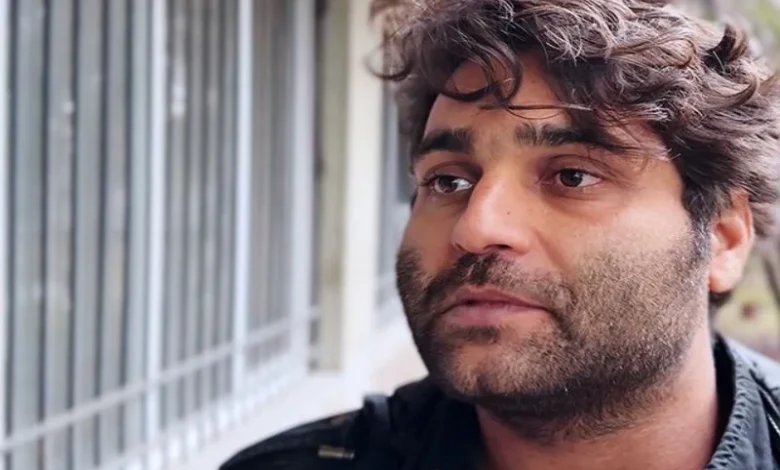
Bullets against citizens and escape to exile are not merely a personal narrative, but rather a portrayal of decades of repression, violence, and crimes of the Islamic Republic against the people of Iran.
While many Iranian citizens in recent years have been forced to leave the country due to widespread repression, fresh accounts from victims of government violence continue to emerge; narratives that show how protest against injustice in Iran can end in permanent injury, imprisonment, or exile.
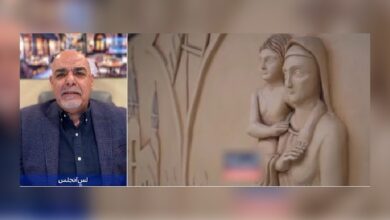
One such narrative belongs to “Abtín,” an Iranian Christian citizen who became a target of gunfire by security forces during nationwide protests in 2019 and was subsequently forced to leave the country. He now lives in Armenia and, while referencing similar nationwide protests in December 2025, says he still carries the marks of those days on his body.
Following the recent protests in Iran and the crimes of the Islamic Republic against the Iranian people and the massacre of numerous citizens, the CBN NEWS network decided to interview Abtín, an Iranian Christian citizen who shares a common experience of government repression against the people of Iran, and published this interview.
In this interview, Abtín, pointing to deep wounds on his hands, says these injuries are a reminder of a day when government forces fired upon protesters. Recalling those days, he explains how, during street protests, buckshot struck his hands and changed his life forever.
According to him, the widespread protests of 2019 were not merely a reaction to the sudden increase in gasoline prices. At that time, thousands of people took to the streets in different Iranian cities to protest corruption, discrimination, and economic inequality.
Speaking about the protesters’ motivations, he says: “We were protesting against injustice and discrimination imposed on society by a handful of oligarchs; people who monopolized all the country’s wealth for decades and had no concern for the people. They were indifferent to the suffering of their fellow citizens.”
According to him, the protests were essentially a cry for the most basic human rights: “We were fighting for freedom, for a normal life, for prosperity, for security. The most fundamental things that every human being needs in life.”
Reports from human rights organizations show that the Iranian government’s response to the 2019 protests was one of the bloodiest crackdowns in the country’s contemporary history. According to an Amnesty International report, security forces fired live ammunition at protesters and at least 208 people were killed in less than a week, though estimates suggest the actual figure could be much higher.
Some reports have even spoken of over 300 deaths and have described this crackdown as a “massacre” of protesters. In the city of Mahshahr, there were also reports of an extensive massacre; a place where dozens of protesters were targeted by gunfire from Revolutionary Guard forces in the marshes surrounding the city.
Human rights organizations have emphasized that the widespread use of military ammunition against unarmed protesters demonstrates a systematic pattern of government violence.
After that incident, Abtín was forced to leave Iran. He says that when he arrived in Armenia, he was in an extremely difficult psychological state. He says: “When I came to Armenia, my psychological condition was very poor, and the only place that could bring me peace and comfort during this time was the church.”
In Armenia, a number of Iranian citizens who have left the country due to political or religious pressures live alongside one another and gather at religious meetings. For many of them, these gatherings are the only place where they can freely discuss faith, the future, and hope for return to their homeland.
The leader of one of these religious gatherings says this place is not merely a place of worship, but rather a place where people prepare for a different future. He says: “The people of Iran, even more than civil liberties and the freedoms of our country, need salvation. They are in need of the deliverance that comes through knowing Jesus Christ. Freedoms and comforts of this world are temporary and limited, but His grace is eternal and boundless.”
Among many Iranians living outside the country, hope for political change in Iran remains alive. Some of them believe one day they will be able to return to their country and participate in rebuilding a freer society.
In recent years, multiple waves of protests have occurred in Iran; protests that began with economic problems but quickly transformed into political demands and calls for fundamental changes in the structure of government.
Despite widespread crackdowns, mass arrests, and the use of deadly violence against protesters, many Iranians continue to speak of their desire for freedom and a normal life; a desire that, according to them, has been answered repeatedly with bullets, imprisonment, and exile during decades of Islamic Republic rule.
For people like Abtín, the remaining wounds on his body are not merely a reminder of one incident; rather, they are signs of a reality experienced by millions of Iranians: the reality of living in a country where protesting injustice can cost a person their life or their future.
The complete CBN NEWS interview with Abtín in English can be viewed through the following link: