Christian Minority Representative in Parliament Calls for Retaliation Against Those Behind Threats Against Khamenei
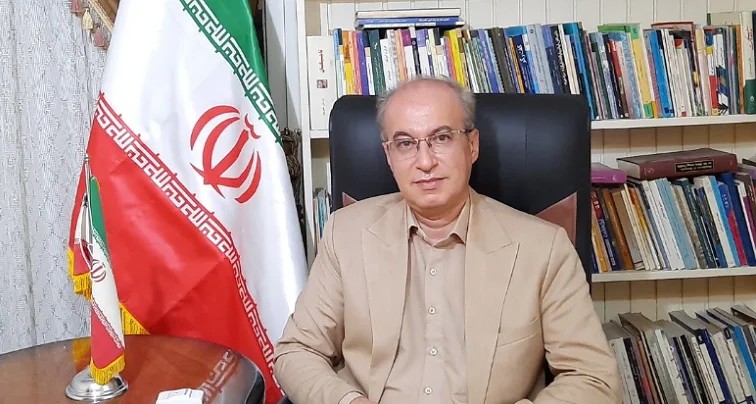
Homayoun Samehyekh Najafabadi, the Christian minority representative in the Islamic Consultative Assembly, in support of the Islamic Republic’s stance regarding threats made against Ali Khamenei, called for retaliatory measures against those responsible for these threats. These remarks come as human rights activists accuse the Islamic Republic of adopting a dual approach toward religious minorities and instrumentalizing them in the political arena.
Homayoun Samehyekh Najafabadi, the Christian minority representative in the Islamic Consultative Assembly, in response to threats made against Ali Khamenei, the Supreme Leader of the Islamic Republic, called for a harsh and retaliatory response against those responsible for these threats.
He said in this regard: “I expect that those who issued orders to kill Ali Khamenei will soon face their just punishment.” He further added: “It must be made clear to all countries in the world and enemies of the Islamic Republic that it is an eye for an eye and blood for blood.”
The Christian minority representative in parliament continued to state that the Islamic Republic should “cause heartbreak” among the people of America and Israel, and emphasized that merely holding speeches and conferences is insufficient and the government must move beyond “rhetoric and slogans” and carry out “highly successful” operations against those who orchestrate assassinations.
These remarks come as the Islamic Republic has consistently sought to present the presence of representatives of officially recognized religious minorities in parliament as evidence of respect for the rights of religious minorities. However, multiple reports from international human rights organizations and bodies defending religious freedom paint a different picture of the state of religious freedoms in Iran.
Critics of the Islamic Republic believe that the Iranian government has adopted a dual approach in dealing with religious minorities; such that whenever the presence or position of representatives of religious minorities can be used to further the government’s political and propaganda objectives, they are cited as evidence of coexistence and religious freedom. Conversely, when members of these minorities or other religious groups hold views contrary to the official policies of the Islamic Republic, they face security pressures, detention, severe judicial sentences, exile, social deprivation, and extensive restrictions.
These criticisms have been raised particularly regarding Christian citizens, Farsi-speaking Christians, followers of the Bahai faith, Gonabadi Dervishes, and even some Sunni citizens, repeatedly by human rights organizations. In their reports, these bodies have pointed to numerous cases of detention, lengthy imprisonments, confiscation of property, denial of employment and education opportunities, and restrictions on conducting religious ceremonies, and have deemed these actions incompatible with Iran’s international commitments regarding freedom of religion and belief.
Human rights activists believe that the use of figures belonging to religious minorities in official positions, while many members of these same minorities or other religious groups face extensive restrictions, demonstrates a policy in which the rights of minorities are defined not on the basis of equal citizenship, but proportionally to the extent of their compliance with the policies of the Islamic Republic.
In contrast, officials of the Islamic Republic have consistently emphasized that the rights of religious minorities recognized in Iran’s Constitution are respected and have rejected criticisms raised by human rights organizations. This section has been added to maintain news balance and reflect the government’s official view.