Concerns of ‘Mai Sato’ Regarding Human Rights Violations in Iran
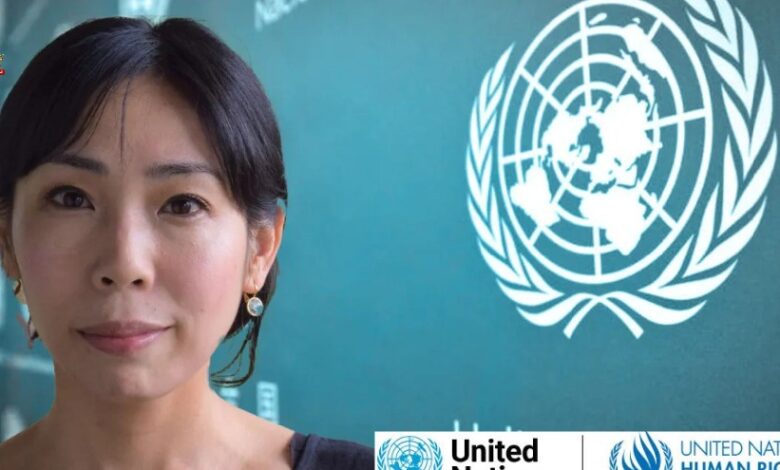
“Mai Sato”, UN Special Rapporteur, expressed concern over human rights violations in Iran in a report.
Mai Sato, UN Special Rapporteur on Human Rights in Iran, released a 21-page report on Wednesday, March 12, corresponding to 22 Esfand, in which she discussed widespread human rights violations in Iran. In her report, she emphasized “systematic discrimination against women and minorities, Christian citizens and those who have converted to Christianity, as well as Baha’is”.
The UN Special Rapporteur in her report on the violation of minority rights, while referring to widespread and systematic discrimination against minorities and their limited access to basic civil rights including employment and education, wrote: “Women in these communities face particular challenges and experience multiple forms of discrimination based on ethnicity, religion, gender and age. These discriminations are exacerbated by discriminatory domestic laws and create systematic barriers to their fundamental rights. These conditions bring greater dangers, including violence particularly by law enforcement personnel. During the reporting period, women activists from minorities have faced accusations and political persecution aimed at silencing and suppressing these activists.”
A Christian neo-convert woman faces one set of discriminatory laws due to being a woman and another set of discrimination due to her change of religion. On the other hand, access to higher education and employment for members of some religions in the Islamic Republic of Iran, particularly the Baha’i community, remains severely limited.”
Mai Sato in her report expressed concern about the conditions of prisoners, mistreatment in prisons and inhumane prison conditions, writing: “Prisoners suffer from overcrowding, lack of sanitation, torture, mistreatment and lack of access to medical services. Many political and ideological prisoners are under severe physical and psychological pressure and there are concerns about imprisoned Christian neo-converts, including Mina Khajavi, lack of access to medical facilities. Many of these prisoners have been imprisoned on charges of ‘propaganda against the system’.”
She reported on the suppression of journalists and protests by civil activists and wrote: “These suppressions include widespread arrests, police violence and pressure on journalists, writers and human rights defenders. Many of these citizens have also been imprisoned on charges of ‘propaganda against the system’.”
The UN Special Rapporteur, in addition to her explanations in the report prepared regarding the increase in executions, while referring to the high rate of executions of women in Iran and the government’s use of capital punishment, added: “Executions in Iran have increased significantly and according to recorded reports, more than 900 executions were carried out by the Islamic Republic in the past year, which is very concerning.” She strongly emphasized the abolition of capital punishment, particularly for juvenile offenders.
Mai Sato at the end of her report presented recommendations aimed at improving the human rights situation in Iran as follows: “Civil liberties and judicial justice, gender equality and civil liberties, fair trials and adherence to fair legal proceedings, including access to lawyers at all stages of legal proceedings and protection of prisoners and detainees against torture and mistreatment should be guaranteed. The rights of minorities also include ensuring equal treatment of all individuals regardless of ethnicity, religion, language and political orientation, creating equal opportunities in education and employment for all ethnic and religious minorities and special attention to the rights of women minorities and eliminating multi-layered discrimination.”