Concerns Over New Wave of Influenza in Iran: 56 Deaths Reported
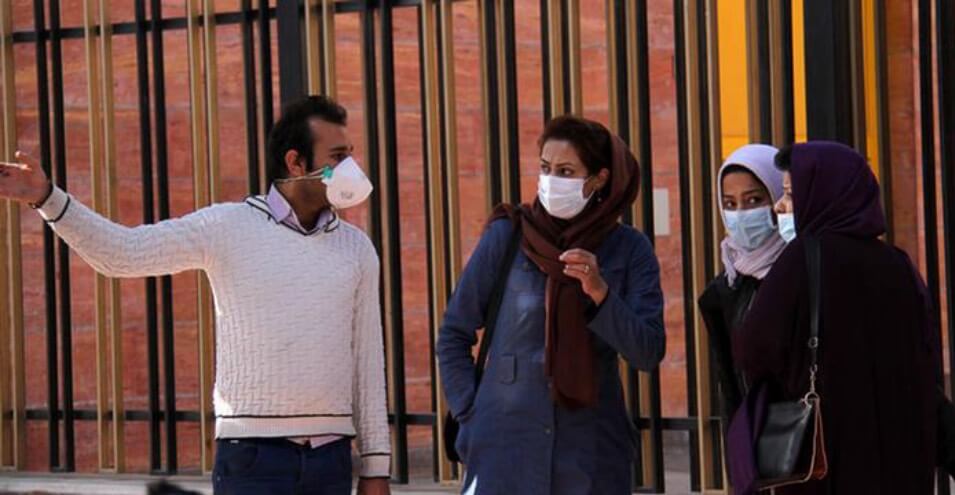
While the deputy and head of the Public Relations and Information Center of the Ministry of Health report that influenza will subside within the next two weeks, two other officials have expressed concerns about the beginning of a “new wave” of influenza.
Influenza infection has not been easy on the Iranian people. The latest official statistics indicate the death of 56 Iranians due to influenza infection. Kianush Jahanpour, head of the Public Relations and Information Center of the Ministry of Health, announced today, Monday, December 2, the highest number of deaths from this disease in the provinces of Kerman, Golestan, Mazandaran, Khuzestan, and Kohgiluyeh and Boyer-Ahmad.
According to him, around four thousand people have been hospitalized in hospitals across the country, although not all of them were infected with influenza, but suspicious symptoms were observed in them.
Alirez Raisi, deputy for health at the Ministry of Health, like Mr. Jahanpour, believes that the wave of influenza infections, which has caused unexpected visits by people to medical centers and hospitals, will be resolved within the next two weeks.
This is while two other officials do not share this opinion. Mohammad Mahdi Gooya, director of the Center for Management of Contagious Diseases at the Ministry of Health, and Masoud Mardani, member of the National Influenza Committee, believe that the “severity” of this disease is greater compared to last year (2018) and no end can be foreseen for it.
Mr. Mardani also said that if necessary preventive measures regarding influenza are not taken, we should expect a second wave of this disease with greater severity.
Air Pollution and Exacerbation of Influenza
Some officials do not consider air pollution, especially in the autumn season, effective in influenza infection unless the atmospheric condition with suspended particles becomes critical.
Hossein Erfani, head of the Department of Contagious Diseases at the Ministry of Health holds this view and said that people, especially athletes, should avoid unnecessary trips in open air.
Erfani also recommended those with chronic lung or cardiovascular diseases to be more careful about their health than others, as air pollution exacerbates their disease symptoms.
Iranian health officials, meanwhile, do not consider a direct connection between school closures in some polluted areas due to the spread of influenza to be appropriate and believe that school closures are not related to influenza but rather to air pollution.
Ministry of Health Recommendations for Patients
The Ministry of Health has advised patients not to engage in “self-medication” and to strictly avoid injecting dexamethasone, consuming antibiotics, and taking corticosteroids.
Also, at-risk individuals have been asked that if they have not yet received the influenza vaccine, they should immediately consult a doctor and proceed with influenza vaccination as soon as possible.
Office of Health Ministry officials, announcing that this year’s influenza outbreak wave began one month earlier than in previous years in Iran, said that the outbreak of this disease is not unique to Iran, and reports show that this phenomenon also exists in countries of the Eastern Mediterranean and West Asia.
According to Ministry of Health statistics, annually 500,000 people worldwide die due to influenza infection, but fortunately the mortality rate in Iran is lower than the global average.
Source: DW