Continued Suppression of Religious Freedoms in Iran; Details of Prison Sentences Issued for Eight Baha’i Citizens
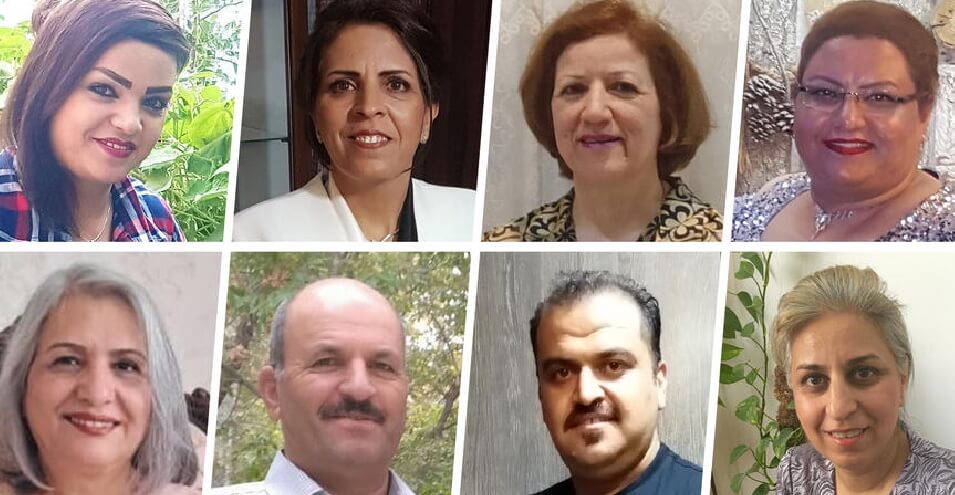
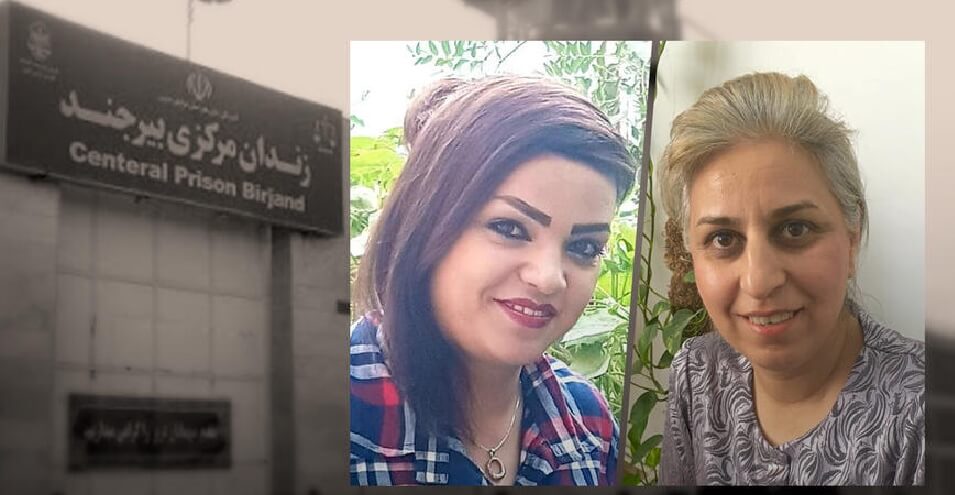
Eight Baha’i citizens residing in Birjand who were sentenced to a total of dozens of years in prison by a ruling of the South Khorasan Appeals Court in mid-September of the current year, were summoned to Birjand Prison in recent days to serve their sentences.
A source close to these Baha’i citizens told Voice of America regarding the details of this case that the hearing on the file of these citizens was held on 1 Ordibehesht without the presence of a defense attorney in the Second Branch of the Islamic Revolutionary Court of Birjand, presided over by Judge Ramezani, and during which each of these Birjand residents was sentenced to 6 years in prison on charges of being Baha’i, disturbing security, and “propaganda in favor of Baha’ism and against the system.”
Based on available information, security forces on 29 October 2017, by raiding the homes of Baha’is in Birjand city, after searching the homes and confiscating some personal items including mobile phones and computer memory, arrested 18 people. Nine of these individuals, named Khalil Malaki, Bijan Ahmadi, Saghar Mohammadi, Bahman Salehi, Sohrab Malaki, Shida Abedi, Maryam Mokhtari, Firoz Ahmadi, and Simin Mohammadi, after one month of detention were temporarily released by posting bail and were ultimately sentenced by the court, without having access to a lawyer, to a total of 28 years and 6 months in prison and are currently serving their sentences.
A second group of these individuals were recently sentenced to years in prison. A source close to these Baha’i citizens who declined to reveal his name for security reasons, regarding the details of the second group’s conviction, said: the hearing on the file of these citizens was held on 1 Ordibehesht without the presence of a defense attorney in the Second Branch of the Islamic Revolutionary Court of Birjand, presided over by Judge Hojat Nabavi, and during which each of these Birjand residents was sentenced to 6 years in prison on charges of being Baha’i, disturbing security, and “propaganda in favor of Baha’ism and against the system.”
The names of these individuals are Arzoo Mohammadi, Atiyeh Salehi, Nasrin Ghadiri, Banafsheh Mokhtari, Farzaneh Dimi, Roya Malaki, Ataollah Malaki, Rahmatollah Dimi, and Saeed Malaki. With the exception of Rahmatollah Dimi, who was sentenced to three years in prison.
This informed source, regarding what he called “the hypocritical conduct of Judge Hojat Nabavi” in the primary court, said: “The judge’s conduct toward these Baha’i citizens during the court session was good and they thought they would be acquitted of the charges mentioned; whereas the judge’s statements contradicted the ruling he issued and only one day later, on 3 Ordibehesht, a prison sentence was issued for these citizens and communicated to them. Eight of these individuals each received six years in prison.”
He said that after the issuance of the prison sentence by the primary court, these eight Baha’i citizens, with the appointment of two lawyers, appealed the issued ruling. According to him, their appeals court hearing was held on 3 Shahrivar.
This informed source, in conversation with Voice of America, describing the issued ruling as unjust, said that the conduct of Judge Ibrahim Ramezani, Head of the Appeals Court, was inappropriate and these citizens were treated disrespectfully during the appeals court hearing. According to him, the judge cited the instances of charges against these eight Baha’i citizens as “participation in gatherings” and “membership in Baha’i organizations.”
The appeals court ruling was communicated to them on 18 Shahrivar. Based on the ruling issued by the Fourth Branch of the South Khorasan Appeals Court, Ataollah Malaki and Saeed Malaki were sentenced to 24 months in prison, Arzoo Mohammadi, Atiyeh Salehi, and Roya Malaki to 18 months in prison, and Nasrin Ghadiri, Banafsheh Mokhtari, and Farzaneh Dimi to 15 months in prison. The appeals court annulled the three-year prison sentence for Rahmatollah Dimi due to Mr. Dimi’s advanced age.
According to this informed person, the prison sentence for these eight Baha’i citizens is currently being executed, and through a summons issued on Monday, 7 Mehr by Branch 2 of the Execution of Sentences, these citizens must present themselves to Birjand Prison within 10 days to serve their sentences.
This informed source told Voice of America that in recent days, some of these Baha’i citizens and their lawyers, by referring to the Execution of Sentences, have requested a postponement in the execution of their sentences. They have even asked the authorities that due to the spread of coronavirus and its expansion in Iran’s prisons, instead of going to prison under these circumstances, they be allowed to serve their sentences outside the prison with an electronic ankle monitor, but their request was rejected.
This is not the first time that Baha’i citizens in Birjand have been arrested or imprisoned. Previously, Voice of America reported that Farid Ziragi Moghadam, a Baha’i citizen residing in Birjand, was sentenced by the First Branch of the Islamic Revolutionary Court of Birjand, presided over by Judge Jafar Islamkhah, to 6 years in prison on charges such as “membership in Baha’i organizations” and “propaganda against the system,” and by Branch 102 of the Criminal Court of Birjand and Sarayan on charges of “insulting sacred things” to one year in prison.
It is said that one of the charges against him was sending his opinion regarding religious minorities in the form of an audio file to Voice of America.
Sam Brownback, U.S. Ambassador at Large for International Religious Freedom, said on 25 Ordibehesht in a special press conference in Washington: “Baha’is in Iran, and unfortunately in some other countries of the world, are subjected to severe persecution and harassment.”
The U.S. Commission on International Religious Freedom also expressed concern in early Ordibehesht in its annual report regarding the state of religious and denominational freedoms in Iran; in a section of this report, it states that the Islamic Republic is increasingly targeting Muslim minorities, particularly Sunnis and Darwishes, as well as followers of other religions and sects, including Baha’is and Christians.