Corona in Iran; 835 cases and 11 deaths within 24 hours
Corona in Iran is claiming victims even among officials. Among them, Ahmad Toiserkanai, an advisor to the head of the judiciary, has died. The COVID-19 tests of 23 members of parliament have also come back positive. The seminary, the Islamic Consultative Assembly, and the Assembly of Experts are closed, but Qom has not been quarantined yet.
Alirezа Raisi, Deputy Minister of Treatment at the Ministry of Health, announced that in the past 24 hours, 835 people have been infected with coronavirus and 11 of the newly infected have died. According to Raisi, the number of coronavirus cases in Iran as of today, Esfand 13 (March 3), has reached 2,336 people, and 435 of the infected have recovered and been discharged from medical centers.
However, some Iranian epidemiologists warned that the coronavirus situation in Iran is critical and the spread of this virus continues to be on an upward trend.
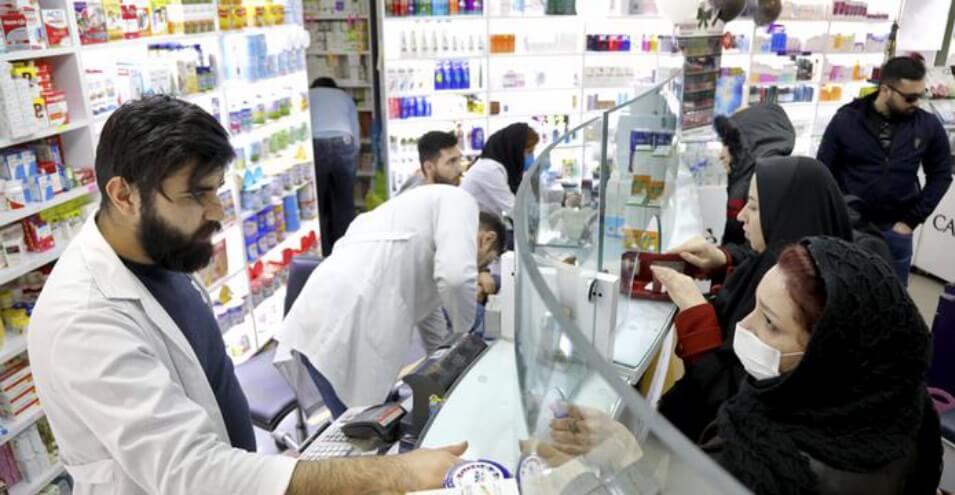
Saeed Hashemi Nazari, an epidemiologist and associate professor at the School of Public Health and Safety at Shahid Beheshti University of Medical Sciences, told the IRNA news agency that “there is still no comprehensive and complete information on confirmed and suspected cases,” and the reason is the lack of diagnostic kits, which prevents testing of all individuals.
Coronavirus infections increasing among officials
Domestic media report daily on the deaths and infections of more officials. Ahmad Toiserkanai, an advisor to the head of the judiciary, died on the evening of Monday, Esfand 12 (March 2), due to coronavirus infection at Baqiyatallah Hospital.
Toiserkanai was the former head of Iran’s Organization of Land and Property Registration and later was appointed as an advisor to Ebrahim Raisi, the head of the judiciary. The advisor to the head of the judiciary is not the only Iranian official who has died from coronavirus infection.
Mohammad Mirmohammadi, a member of the Expediency Discernment Council of the Islamic Republic of Iran, also died on the morning of Monday, Esfand 12, due to coronavirus infection. Mirmohammadi was hospitalized at Masih Daneshvari Hospital in Tehran, one of the most equipped hospitals in Iran’s capital.
The ISNA news agency reported that Dr. Mohammad Jahangiri, the Supervision and Technical Deputy of the Medical System Organization, was also hospitalized after showing symptoms suspected of coronavirus at Masih Daneshvari Hospital. According to the ISNA report, his general condition is currently good. Dr. Pirhossein Kolivand, the head of the country’s emergency services, has also been infected with coronavirus.
Simultaneously with the spread of this news, it was announced that 23 members of parliament have also been infected with coronavirus.
Abdolreza Mesri, Vice Speaker of the Islamic Consultative Assembly, on Tuesday, March 3 (Esfand 12), attributed the infection of parliament members to “their close contact with people” and said that public sessions of parliament are not currently permitted to be held.
The Vice Speaker of parliament advised representatives to “currently cut off their contact with people so that no harm comes to them.” This high-ranking official of Iran’s parliament announced that “public meetings with representatives are temporarily cancelled and we ask representatives and elected officials not to contact people during Nowruz days.”
Regarding the question of whether the representatives were disease carriers or whether these representatives were infected with coronavirus through close contact with people, there is still no precise information available.
Discrimination in coronavirus testing
However, with the spread of coronavirus in Iran, officials immediately underwent coronavirus diagnostic tests. This event led to criticism even from domestic media, which called it “discrimination in conducting coronavirus tests.” This is because officials who did not even have symptoms of coronavirus infection were tested.
A physician in this regard told IRNA that coronavirus testing is expensive, and testing the members of the city council and members of parliament even though they still had no symptoms of coronavirus infection is “unethical” because diagnostic kits are scarce and their necessity is needed for patients in need. The doctor who spoke with IRNA said: “For a patient suspected of having coronavirus to be hospitalized, first they must have a high fever above 37.5 degrees, and second their blood oxygen saturation level must be below 90 percent. If they have these conditions, they are among the suspected coronavirus cases, and then PCR tests are taken from this patient. However, free testing was prioritized for officials.”
Closure of seminary lessons
The Educational Deputy of the seminaries issued a statement announcing: “The closure of seminary lessons in a collective and gathering manner at all levels and stages will continue until conditions normalize and this phase is overcome.”
The closure of seminary lessons in Qom has further increased the risk that students who have come to Qom from various parts of the country will themselves help spread and transmit coronavirus. The city of Qom, which ranks first in coronavirus infections and from which coronavirus has been transmitted to many Iranian cities and even neighboring countries, has not yet been quarantined. This city has the most deaths and infections from coronavirus and continues to be at the forefront of coronavirus infections.