Corona in Iran – One Iranian infected every 4 seconds; Head of Medical Organization: ‘Many patients die without testing’
Iran’s Ministry of Health confirmed 38,657 cases of coronavirus infection in the country from August 22 to September 1. Also, according to official statistics, 610 more people died from coronavirus infection in this 24-hour period. Many, including some officials themselves, believe the actual figures for deaths and infections in Iran are several times higher than the official numbers.
After reviewing the data, Hamshahri Online reported that one Iranian is infected with coronavirus every 4 seconds, and every 2 minutes one citizen loses their life due to coronavirus infection.
In the past week, Qom, Golestan, Gilan, and Mazandaran provinces topped the table for coronavirus deaths.
- Vaccine quota exhausted in Khuzestan; Commander-in-Chief of Islamic Revolutionary Guards Corps emphasizes vaccine imports from ‘trustworthy countries’
Less than seven percent of Iran’s population has been fully vaccinated. On the other hand, vaccine quotas in some areas are running out. The public relations manager of Ahvaz University of Medical Sciences said Khuzestan’s vaccine quota can only meet people’s visits for a few hours.
Erfan Mardani tweeted: “Corona is spreading in Khuzestan and the space in hospitals cannot accommodate the heavy volume of patient visits.”
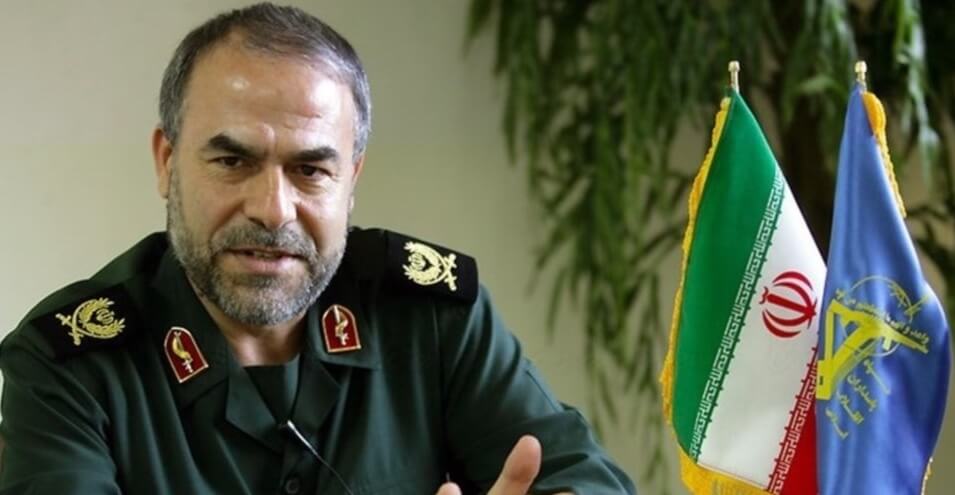
While the number of infected people and deaths from coronavirus continues to rise, and many officials have emphasized the need to import vaccines, Hossein Salami, Commander-in-Chief of the Islamic Revolutionary Guards Corps, said: “We cannot entrust the health of society to enemies whose use of biological weapons is part of their strategy in dealing with their adversaries.”
Mr. Salami emphasized that vaccines should be imported from “trustworthy countries.”
He had previously expressed concern that America would provide Iran with a “paralyzing” vaccine. Since record-breaking coronavirus deaths in Iran have increased criticism of the ban on effective Western vaccines by Ayatollah Khamenei, Supreme Leader of the Islamic Republic, IRGC commanders also appear to be trying to defend that ban.
- Statements by the proposed health minister regarding coronavirus control
Bahram Einollahi, the proposed health minister for Ibrahim Raisi’s cabinet, has also emphasized the necessity of vaccine imports. Mr. Einollahi said that 120 million vaccine doses are needed to fully vaccinate people, and therefore, “we are forced to import vaccines.”
The proposed health minister, criticizing the implementation of lockdowns in Iran, said: “In countries that have military-style governance, they can implement lockdowns 100 percent and prevent people from leaving their homes.”
He added that quarantine should not be “theatrical” and the increase in deaths after lockdowns is not “real lockdown.”
Mr. Einollahi has also included strategies for population growth and institutionalization of traditional medicine in his programs, which has been reviewed by the Health and Treatment Commission of the Islamic Consultative Assembly.
Zahra Shikhi, spokesperson for this commission, said the proposed health minister is “a qualified person” to serve as health minister.
Medical Organization criticizes ‘mismanagement’
Mohammad Reza Zafarqandi, head of the Medical Organization, told Shargh newspaper that official statistics differ from the numbers reported by Behesht-e Zahra because many patients with clinical symptoms of COVID-19 die without testing and are not included in the statistics.
Mr. Zafarqandi described comparing the coronavirus era with the time of war and doctors with soldiers as “slogans to cover up the negligence and shortcomings of officials.”
The head of the Medical Organization emphasized that official statistics differ from the numbers reported by Behesht-e Zahra because many patients with clinical symptoms of COVID-19 die without testing and are not included in the statistics.
Mr. Zafarqandi stressed that if vaccination had been conducted earlier and more extensively, the situation today would be better.
According to the head of the Medical Organization, in the past year, at least three thousand migration requests have been submitted by doctors to the organization.
Hossein Kerman Pour, former public relations director of Iran’s Medical Organization, also criticized “mismanagement” and the failure to implement restrictions in Iran in a note to Hamshahri newspaper on the occasion of Doctors’ Day.
Mr. Kerman Pour wrote in this note: “At the beginning of the coronavirus outbreak, one of the health ministry officials emphasized that complete quarantine belongs to the Middle Ages; whereas this very policy was implemented by developed countries and they were able to manage the spread of coronavirus to a large extent.”
He, while emphasizing the statements of Alireza Zali, commander of Tehran’s coronavirus task force, said: “If the same money spent on buying medicine had been spent on financial support for businesses, coronavirus in the country would have been controlled now.”
Source: Voice of America