Cultural activists protest Shiraz Municipality’s plan to build a park in the ancient Qasre Abunesr site
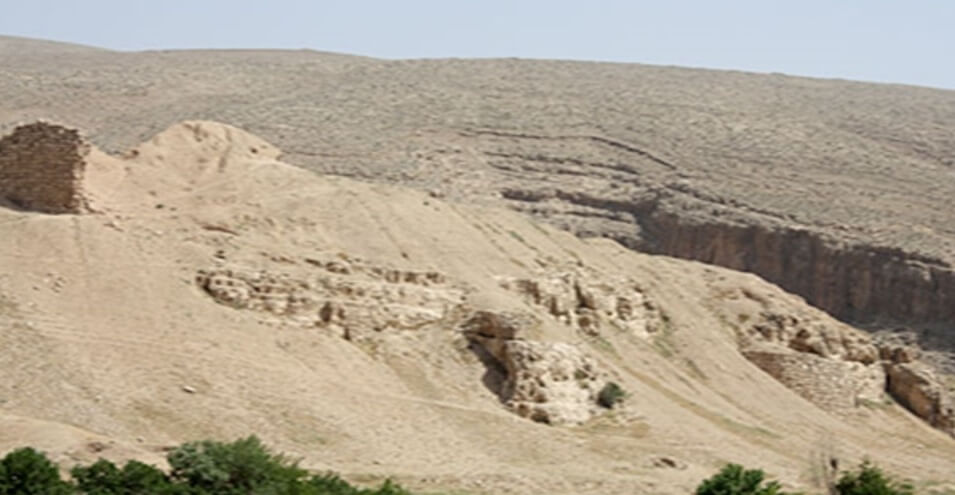
A plan to build a park in the ancient site of Qasre Abunesr in Shiraz, a 2,300-year-old Achaemenid fortress, has sparked protests from cultural heritage activists. Although Shiraz Municipality claims to have obtained permission from the Cultural Heritage Organization of Fars Province, cultural heritage experts say issuing such permits is a clear violation of Iran’s cultural heritage protection laws and UNESCO standards.
As Shiraz Municipality has begun constructing a park at the ancient Achaemenid fortress known as “Takht Abunesr,” cultural heritage activists have launched protests to stop the illegal construction in this ancient heritage site. This Achaemenid fortress, which was registered in the National Heritage List in 1931 under the name “Takht Soleiman,” is one of the first cultural heritage sites registered nationally in Iran. At that time, archaeologists from the University of Chicago and the Metropolitan Museum of New York conducted fieldwork at this site and warned the Iranian government of the need to protect it for further research.
However, after the Revolution, this ancient site, like many other registered sites, was left unguarded and unprotected, allowing antiquities smugglers and looters to conduct illegal excavations, destroy the area, and turn it into a waste disposal site.
According to cultural heritage activists, this new construction is the latest link in a decades-long chain of attacks on pre-Islamic ancient heritage. The filling of newly constructed dams in the Islamic Republic has caused hundreds of pre-Islamic cultural heritage sites to be submerged. The Sivand Dam in Fars is a striking example, and despite public and cultural heritage activists’ protests to stop this project, over 130 ancient sites, including the Tangi Balaghee gorge, went underwater.
Before that, the Marun Dam in Fars destroyed the remains of the Sassanid city of Eqlid, and the Marvarid Bridge with an inscription on the Dezpart road in Khuzestan was submerged under the waters behind Dam Karun 4.
According to experts, antiquities smuggling networks, with large revenues from selling these artifacts in Persian Gulf littoral countries, are themselves major factors in the erasure of identity and destruction of Iran’s pre-Islamic heritage.
Source: Voice of America