Death Sentence for November Protesters; Internet Outage Coincides with Twitter Storm
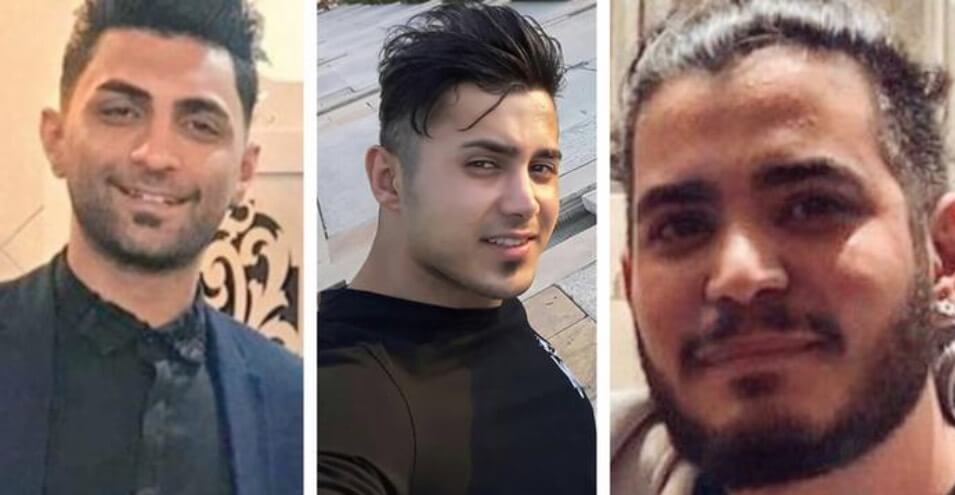
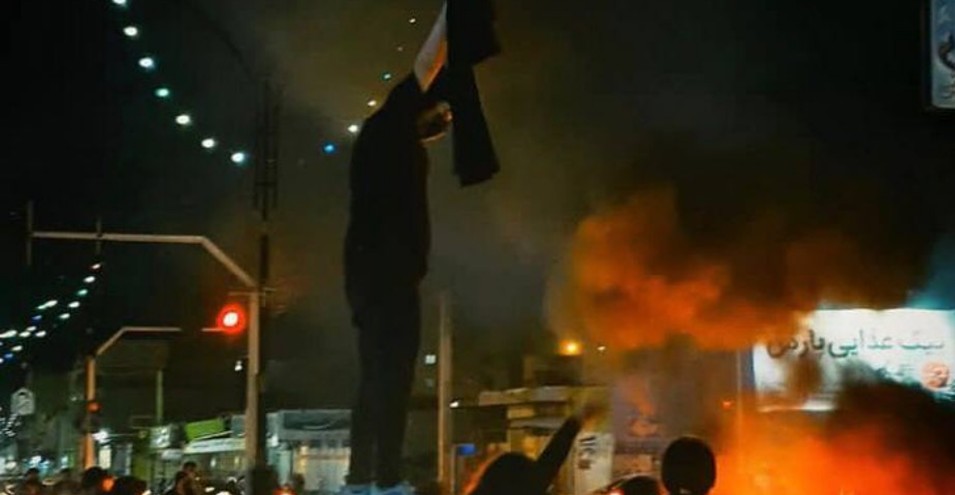
In protest against the death sentence for three November uprising protesters, a Twitter storm erupted. Subsequently, news of internet disruption in Iran was released. Prior to users, several human rights organizations had called for the cancellation of the death sentences.
On Tuesday, July 14 (July 24), the hashtag #Don’tExecute circulated with great intensity and speed in the Persian-language internet space. On the same day, news of access problems to some internet services in Iran was also published.
The “NetBlocks” organization, which monitors internet restrictions worldwide, reported disruptions in internet connectivity in Iran from around 9 p.m. on Tuesday. Iran’s IT Center also posted a chart on its Twitter account reporting internet disruptions in some Iranian cities and operators.
Gholamhossein Ismail, spokesperson for Iran’s judiciary, announced on Tuesday that the death sentence for three of the protesters from the nationwide November 2019 demonstrations had been confirmed by the Supreme Court and said the sentence has been sent to the prosecutor’s office for execution.
Following the announcement of this news, internet users launched a Twitter campaign with the hashtag #Don’tExecute, which within hours became a worldwide Twitter trend. The hashtag was used more than three million times from that hashtag until Wednesday morning.
The Farsi Twitter account of the U.S. State Department also supported the campaign by posting an image of executions and wrote: “Forty-one years of executions is enough! Don’t execute.”
Execution Based on “Unfair Trial”
Internet users are demanding the cancellation of the death sentences for Amirhossein Moradi, Saeed Tamjidi, and Mohammad Rajabi. These three are among those arrested during the November 2019 protests.
Two of these defendants had fled to Turkey, but Turkish police officers handed them over to Iran.
Previously, Amnesty International and Human Rights Watch, two reputable human rights organizations, had criticized the issuance of death sentences for three Iranian protesters. According to these two international organizations, the trial of these three was “unjust” and their “confessions” were obtained under severe torture.
News of the confirmation of the death sentences for Amirhossein Moradi, Saeed Tamjidi, and Mohammad Rajabi was published a few days earlier by one of their lawyers, and the judiciary spokesperson formally confirmed the news on Tuesday, July 24.
The goal of the Tuesday internet campaign was not only to protest the latest death sentences for three young protesters, but also against the judicial procedure of the Islamic Republic, which has an open hand in issuing death sentences.
In recent days, another execution news was released: Diako Rasoulzadeh and Saber Sheikh Abdollah were executed on Tuesday morning at Urmia Central Prison; according to the Iranian judiciary spokesperson, a retired official from the Islamic Republic’s Ministry of Defense was also executed last week “on charges of espionage,” and meanwhile, the death sentence of Mahmoud Mousavi Majd was announced as “final and enforceable.”
Source: DW