Death Sentence of ‘Abbas Dariş’ Overturned in Supreme Court
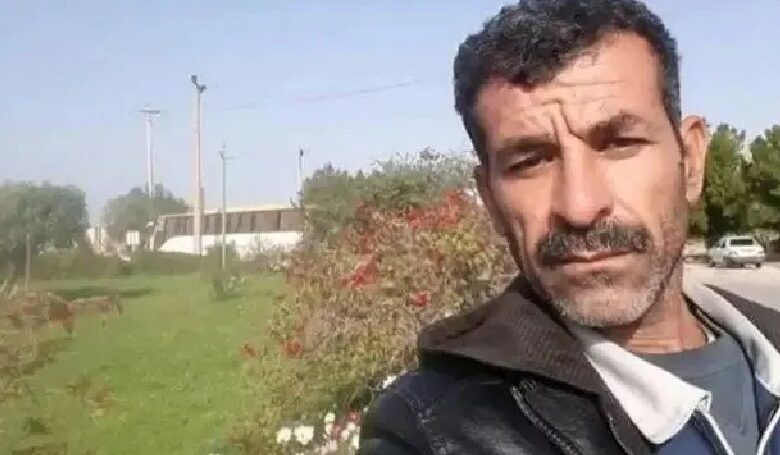
The death sentence of ‘Abbas Dariş’, a detainee from the November 2019 protests, has been overturned by the Supreme Court, and the case has been referred back to a peer panel for retrial.
In a significant legal development, the death sentence of Abbas Dariş, a detainee from the November 2019 protests, has been overturned by the Supreme Court, and his case has been referred to a peer panel for retrial. A decision that could indicate doubt in the judicial path of protest cases.
Abbas Dariş, born in 1973 and father of three children, was arrested on December 8, 2019, along with his brother Mohsen, by security forces in the Chamran neighborhood of Mahshahr. He had previously been sentenced to death by the Mahshahr Revolutionary Court on charges of “moharebeh” (enmity against God), a ruling that was upheld in mid-July 2023 by Branch 39 of the Supreme Court.
In another case, he was sentenced to 14 years imprisonment by a criminal court in Khuzestan Province, with 10 years designated for execution. ‘Farshte Tabanyan’, his lawyer, announced: “Abbas Dariş’s retrial has been accepted, the moharebeh sentence has been overturned, and the case will be referred back to a peer panel for renewed examination.”
Why does overturning the sentence matter? This action could have two meanings: one is that the Iranian judiciary may be reconsidering the cases of protesters, especially those facing serious charges such as moharebeh, and the other is that international and human rights pressures may have had some effect.
The overturning of the ‘moharebeh’ verdict in this case means that the Supreme Court has concluded that the initial proceedings or their evidence had formal or substantive flaws. With the case’s referral to a peer panel, a new phase of litigation will begin, and its outcome could be decisive.
The charge of moharebeh carries one of the most severe convictions in legal and international dimensions. The fact that such a sentence has now been overturned raises questions about standards of hearing, evidence, and judgment.
Abbas Dariş has denied admitting to blocking roads or setting tires on fire. This claim by him doubles the importance of a more thorough review of the case. The overturning of the sentence may also affect the proceedings of other cases related to the November 2019 protests and make similar retrials possible. Some analysts view this as the beginning of ‘setting the ground for adjusting judicial proceedings’ with detainees. However, it is unclear whether this will remain a single exceptional case or a sign of a broader change in judicial approach.
Given that he still faces an imprisonment conviction and a new review process has begun, his family and human rights advocates are closely following this case.