Economic Journalist Marziyeh Hosseini Summoned Again Despite Stroke
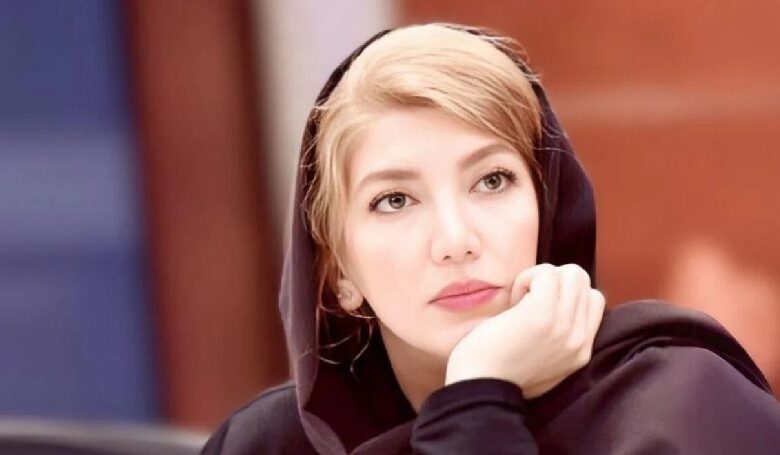
Judicial authorities have summoned economic journalist Marziyeh Hosseini again despite her stroke and poor health condition.
According to published reports and informed sources, Marziyeh Hosseini, a well-known economic journalist, suffered a stroke due to stress and psychological pressure from repeated summonses following months of judicial pressure and persecution, and has now lost part of her short-term memory.
Despite being hospitalized, the Tehran Provincial Prosecutor’s Office issued a summons on November 25 (4 Aban) demanding that she report to Branch One of the Qeshm Court within five days.
The charges against Marziyeh Hosseini include “slander, spreading lies, defamation, and insulting officials and government employees”—charges typically used to silence critical journalists and intimidate independent media.
Hosseini was also summoned in June for her reports on corruption in the Qeshm Free Trade Zone Organization. She responded to her summons on the social network X (formerly Twitter), addressing Iran’s current President Masoud Pezeshkian, writing: “Mr. President, witness the result of your support for the corrupt CEO of the Qeshm Free Trade Zone. With the exposure of part of this corruption, complaints and threats have begun.”
She was referring to Adel Peyghami, the CEO of the Qeshm Free Trade Zone Organization, who is accused of embezzling national capital and misusing his position. In another message, Hosseini emphasized that instead of being accountable for corruption, the government has chosen the path of complaints and threats.
Since its establishment, the Islamic Republic has pursued the arrest, torture, and intimidation of journalists, writers, and civil activists as part of its information control policy. Following the onset of nationwide Iranian protests in September 2022, the repression of journalists has intensified.
According to a recent report by the Free Information Debate Organization (FID), in the first 100 days of Masoud Pezeshkian’s presidency, at least 78 journalists and media outlets have been targeted by security and judicial actions—statistics showing that the pattern of repression in the new government has not only continued but has become more systematic.
Media experts say that continuous judicial and psychological pressure against journalists constitutes a form of silent state violence that can endanger their physical and mental health. Marziyeh Hosseini’s case shows that even illness and hospitalization are not reasons to stop summonses and persecution.
A veteran Iranian journalist, in an interview with an international media outlet, said: “When the system doesn’t even spare a sick journalist, it means the goal is to destroy every independent voice.”
Marziyeh Hosseini’s case is only one of dozens of examples of harassment of critical journalists in Iran—a pattern that has not stopped with changes of government and appears to be part of the permanent repression structure in the Islamic Republic.
This incident once again reminds the international community and human rights organizations of the need to pay attention to the state of freedom of expression in Iran, where words and pens are considered crimes and criticism is still viewed as an unforgivable sin.