Edwin Keshish-Abnoos Speaks Out on Islamic Republic Labeling Christian Networks as “Hostile”
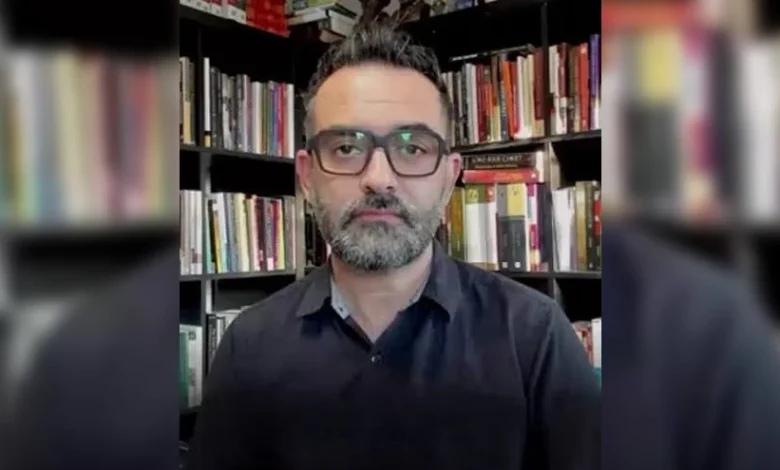
The Islamic Republic has intensified concerns about religious freedom and the security of Iranian Christians by placing several Persian-language Christian television networks on a list of “hostile networks.” Edwin Keshish-Abnoos warns that this decision could expose viewers within Iran to the risk of legal prosecution and security-related accusations, and has called on the international community not to remain indifferent to these new restrictions against Iranian Christians.
The designation of several Persian-language Christian television networks as “hostile networks” by the Islamic Republic has raised new concerns about religious freedom and the security of Christians in Iran. According to this decision, networks including “Mohabat TV,” “Shabe Haft,” SAT-7 Pars, and “Nejat,” alongside some Persian-language media outlets based outside the country, have been labeled as “hostile” media. According to observers, this measure could increase the risk of legal prosecution for viewers and staff members of these networks.
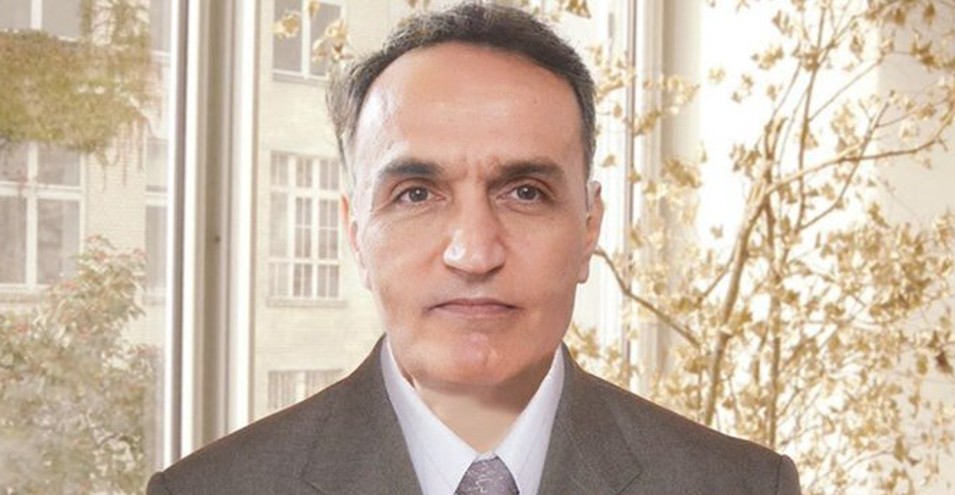
Edwin Keshish-Abnoos, executive director of Heart4Iran, an organization of which Mohabat TV is a media arm, stated in an interview with Mission Network News that these networks have been broadcasting Christian messages in Persian to audiences inside Iran for years and have played an important role in providing Iranians access to Christian content. He said: “These television channels have been broadcasting for a long time and should be commended for the spread of Christianity.”
Abnoos, referring to his organization’s history of more than 20 years of activity, added that this network has been aware from the outset of the Iranian government’s opposition to its activities, but he believes that the new label from the Ministry of Intelligence will not prevent the continuation of round-the-clock Christian programming. However, he warned that this decision will likely make it more difficult for audiences inside Iran to maintain contact with these networks. He elaborated: “Our viewers will be much more cautious and they know that they must take security measures much more seriously.”
Edwin Abnoos also warned that individuals detained for their connection with Mohabat Television may face security-related accusations under a new espionage law passed in 2025 and could be branded as “enemies” by the government.
According to him, Islamic Republic officials claim that Persian-language Christian networks promote the teachings of “Zionist Christianity” and support Israel. On this matter, he said: “Whenever they hear the name Israel (which appears frequently in the Old Testament), they consider them spies who have connections with foreign governments and are trying to overthrow the regime.”
He also added that this policy is not limited to Christian media, and the government has placed media outlets that publish views different from the Islamic Republic’s official narrative on the “hostile” list. According to him, from the government’s perspective, any media organization or entity that promotes beliefs contrary to the Islamic Republic’s official ideology is considered an enemy.
Abnoos characterized this move as a clear violation of freedom of religion and conscience, stating: “This regime has repeatedly shown that it does not care about personal beliefs and human rights, and will do everything in its power to restrict them.” He also commented on the current situation in Iran: “The reality is that Islam has lost its credibility, it has bankrupted itself, and the legitimacy of the government is in question. This is one of the ways to control people’s private lives—through acts of intimidation and instilling fear in their lives.”
In concluding his remarks, Edwin Abnoos called on Christians around the world to pray for the Church in Iran and to remain vigilant about increasing pressure on converted Christians and Persian-speaking Christians. He emphasized: “Iranian Christians understand the cost of faith, and no matter what happens, they will follow Christ to the end. Pray for their courage, for their safety and well-being. We must ensure that the international community is aware of these unlawful restrictions being imposed on the people of Iran.”
It should be noted that in the official literature of the Islamic Republic, the term “hostile” is used for individuals or entities that the government views as being in opposition to or enmity with the Islamic Republic system. Religious freedom advocacy organizations have warned that the application of this label against Christian media could create conditions for the intensification of security pressure and further restrictions against Christians and viewers of these networks inside Iran.