Hezbollah’s Use of Christian Areas in South Lebanon for Military Activities
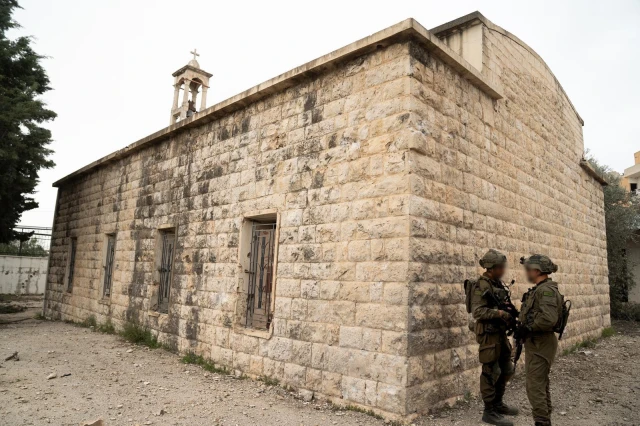
International reports and footage released from southern Lebanon have once again raised concerns about Hezbollah’s use of churches and Christian-inhabited areas as cover for military activities; a move that critics say puts the lives of civilians and religious minorities at direct risk.
As tensions in southern Lebanon continue, a series of reports published in media outlets and international organizations have again highlighted allegations of Hezbollah’s use of civilian areas and religious sites for military purposes; a matter that has raised widespread concern among Lebanese Christians and human rights observers.
According to reports released in recent days, the Israeli military has claimed that Hezbollah forces have conducted military activities from within certain Christian-inhabited areas and even in the vicinity of churches. International media outlets have reported the discovery of tunnels, weapons caches, and underground infrastructure belonging to Hezbollah near churches in southern Lebanon.
In one of these reports, it was stated that Israeli forces identified a tunnel and several underground openings belonging to Hezbollah near a church in the “Al-Khiyam” area. The Israeli military described this action as part of a “systematic pattern of using civilians and religious sites as human shields.”
Another report from Israeli media outlets claims that Hezbollah used a Christian village in southern Lebanon to launch rockets and anti-tank missiles toward Israel; a matter that, according to Israeli officials, unwittingly puts Christian residents of these areas at risk of military retaliation.
Meanwhile, some Lebanese media outlets have also reported increased tension between Christian residents of southern Lebanon and Hezbollah forces. According to a report from the Jerusalem Post, rumors about the presence of Israeli military personnel in a church caused Hezbollah-affiliated elements to target the surrounding area; although local sources later denied this claim.
Critics argue that the use of religious sites and inhabited areas for military purposes is a blatant violation of international law and a direct threat to civilians. According to the principles of international humanitarian law, warring parties should not turn civilian infrastructure, schools, medical centers, and places of worship into military operational zones.
On the other hand, international human rights organizations have repeatedly warned about the widespread damage inflicted on civilian areas in Lebanon. Organizations such as Human Rights Watch and Amnesty International have, in their reports, discussed both the extensive damage caused by Israeli attacks on Lebanese infrastructure and the dire situation of civilians in conflict areas.
In recent months, numerous churches and religious centers in southern Lebanon have been damaged. Media reports show that some historical churches in border villages have been destroyed or severely damaged during the ongoing conflict; a matter that has increased concerns among Lebanese Christian leaders about the future of Christian presence in these areas.
As the fighting continues, many Christians in southern Lebanon find themselves caught between two fires; on one hand, the presence and activities of armed groups near residential and religious areas, and on the other hand, Israeli military attacks and responses that destroy civilian infrastructure. Observers warn that the continuation of this situation could lead to broader migration of Christians from southern Lebanon and further weakening of the historical and religious fabric of the country.