Exposure of Official Resolution Against Bahá’ís in Iran; Representative of Bahá’í International Community: This is a ‘Gross Violation of Human Rights’
The publication of a document showing that local authorities in Sari city in Mazandaran province have issued an official resolution regarding “strict controls” over Bahá’ís in the city “regarding the nature of their movements” and measures concerning “how to approach Bahá’í students” with the aim of “attracting them to Islam” has prompted reactions from the “Bahá’í International Community” organization and human rights activists.
In this document, a copy of which was also sent to Voice of America, it states that a meeting of the “Religions and Sects Commission of Sari County” was held on September 21 at the Sari County Governor’s Office with the presence of some government officials, and reviewing the latest situation of Dervishes and Bahá’í citizens in Mazandaran province was on the agenda of this meeting.
Based on documents in this meeting, “detailed planning” to ensure “strict control” of the Bahá’í community, including “private and public meetings” as well as “their other mechanisms,” was approved.
According to the “Bahá’í International Community” organization, Abdolkarim Lahiji, head of the Iranian Human Rights Defense Society and honorary chair of the International Federation of Human Rights Societies, described such actions by the Islamic Republic as demonstrating an increase in the Iranian government’s harassment of followers of the Bahá’í Faith, stating: “Government officials, in violation of the country’s international legal commitments, consider these followers to be apostates, prohibit their religion, and regard the practice of the Bahá’í Faith as a misguided act.”
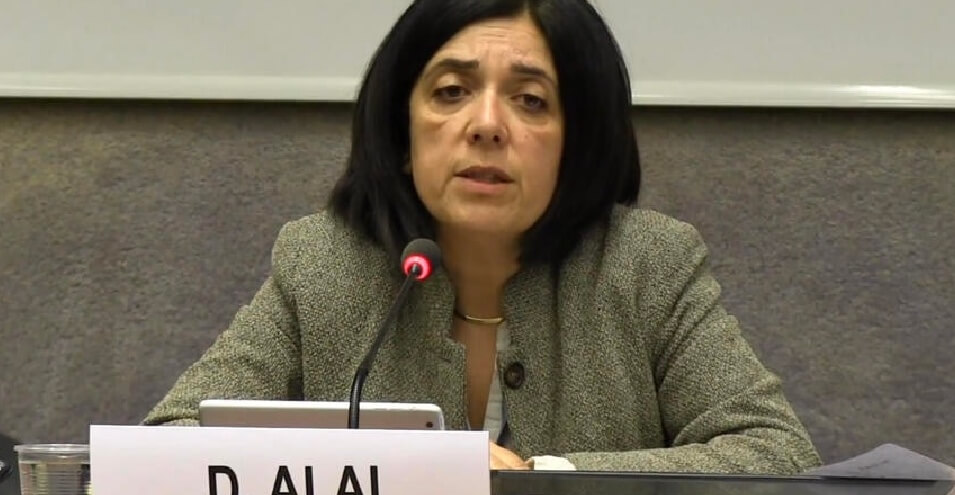
Diana Ala’i, representative of the International Bahá’í Community at the United Nations in Geneva, while noting that similar meetings and resolutions regarding Bahá’ís may be taking place across Iran, stated, “The publication of this document clearly evokes examples from history, when oppressive governments, before implementing far more brutal actions, monitored minorities with strict laws.”
Ms. Ala’i further added: “This document clearly shows that the government’s current actions pose a new threat to the fundamental right of freedom of religion and belief of Bahá’ís.”
Based on information released in this document, the Education Department of Zones 1 and 2 in Sari has been instructed to increase the level of “awareness” among teachers and school administrators regarding “how to approach Bahá’í students” and “attracting them to Islam” and to identify Bahá’í students.
The representative of the Bahá’í International Community also described actions related to children as “shocking” and states: “The fact that a formal document details specific programs to change children’s beliefs is a gross violation of human rights. This not only targets individual beliefs but also interferes in the personal sphere and amounts to religious coercion.”
The United States Commission on International Religious Freedom also expressed concern in early April in its annual report regarding the status of religious freedoms in Iran; in part of this report, it states that the Islamic Republic has increasingly targeted Muslim minorities, particularly Sunnis and Dervishes, as well as followers of other religions and faiths, including Bahá’ís and Christians.