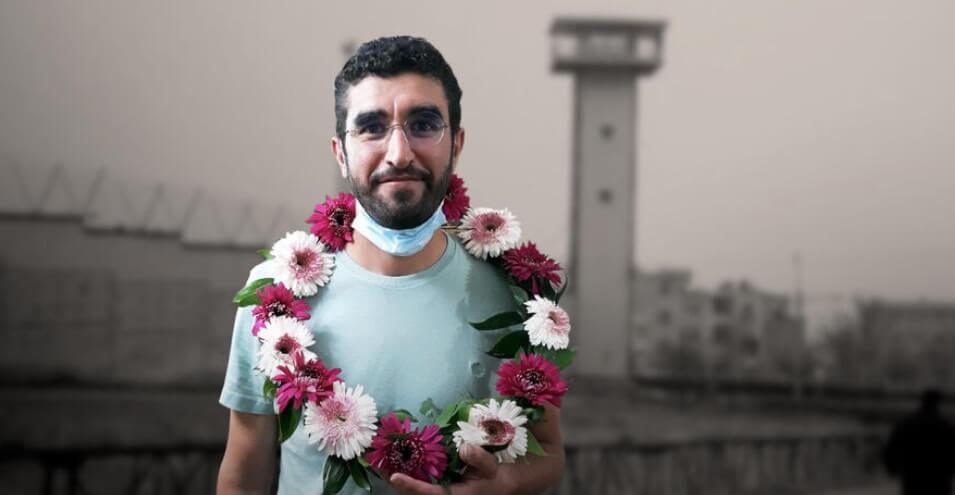
Farhad Fahandezh Transferred to Solitary Confinement at Rajai Shahr Prison in Karaj Under Pretext of Positive Coronavirus Test

Farhad Fahandezh, a 61-year-old imprisoned Bahai citizen, was transferred on Thursday, October 1, 2020, to one of the solitary cells in the secure ward of Rajai Shahr Prison in Karaj under the pretext of a positive coronavirus test. Mr. Fahandezh, who is serving the eighth year of his ten-year sentence, suffers from gastrointestinal diseases and also has a heart condition. This situation, combined with his coronavirus infection, has increased the concerns of Mr. Fahandezh’s family members regarding his health condition. Hrana previously reported on the infection of 45 Sunni inmates in Rajai Shahr Prison in Karaj and warned of the possibility of coronavirus spreading among inmates detained in this prison, stating that political prisoners held in this prison and 75 inmates held in Hall 12 are at risk of contracting the coronavirus.
According to Hrana News Agency, the news organ of the Iranian Human Rights Activists Network, on Thursday, October 1, 2020, Farhad Fahandezh, an imprisoned Bahai citizen in the security subsection of Hall 10, Ward 4 of Rajai Shahr Prison in Karaj, was transferred to one of the solitary cells in the secure ward of this prison under the pretext of a positive coronavirus test.
Mr. Fahandezh suffers from gastrointestinal diseases and also has a heart condition. This situation, combined with his coronavirus infection, has increased the concerns of Mr. Fahandezh’s family members regarding his health condition.
In this prison, a number of other political prisoners, including Arash Sadeghi, who suffers from a malignant bone cancer called chondrosarcoma, and Afshin Baymani and Abolqasem Foladand, who suffer from heart disease, are serving their sentences. This situation puts their lives at even greater risk in the event of coronavirus infection.
Hrana previously reported on the infection of 45 Sunni inmates in Rajai Shahr Prison in Karaj and warned of the possibility of coronavirus spreading among inmates detained in this prison, stating that political prisoners held in this prison and 75 inmates held in Hall 12 are at risk of contracting the coronavirus.
Amnesty International recently announced that it has seen copies of four letters written by prison authorities operating under the supervision of the judiciary to the Ministry of Health, raising alarm about severe shortages of personal protective equipment, disinfectants, and key medical equipment and supplies. The Ministry of Health left these requests unanswered, and Iranian prisons continue to lack essential equipment in a catastrophic manner in the face of the spread of infectious diseases.
This comes as Asghar Jahangiri, head of the Prison Organization, claimed in the spring of this year regarding the preservation of prisoners’ health that “Iran should be recognized as an innovator in supporting prisoners’ rights in the world.”
Hrana published a report in August of this year titled “Corona Crisis: A Comprehensive Report on the Situation in Rajai Shahr Prison in Karaj and the Latest List of Political Prisoners,” addressing the situation of political and security prisoners in Rajai Shahr Prison in Karaj and warning of the possibility of coronavirus spreading among inmates detained in this prison.
Farhad Fahandezh, a Bahai citizen born in 1338 (1959) in Torbat Heydariyeh city, was arrested on October 17, 2012, by security forces at his home in Gorgan. After seven months of legal limbo, Branch 28 of the Tehran Revolutionary Court, presided over by Judge Mohammad Moghisseh, sentenced him to 10 years of imprisonment on charges of “propagating the Bahai faith and administering Bahai organizations.”
This Bahai citizen was also arrested in 1362 (at age 24) and sentenced to 6 years imprisonment. He has suffered from gastrointestinal diseases due to the poor conditions in his previous imprisonment.
Source: Hrana