2020 University Entrance Exam: At Least 17 Baha’is Barred from Education
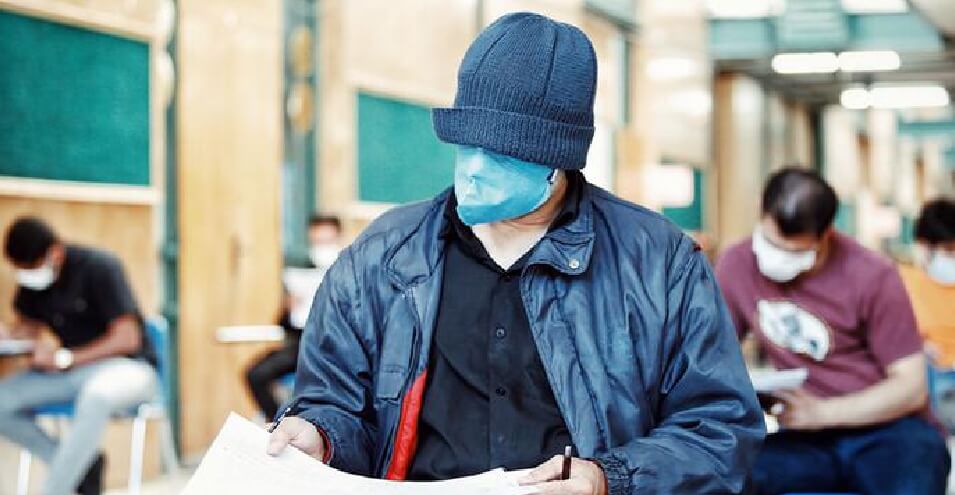
Iranian human rights activists say at least 19 participants in this year’s university entrance exam have been barred from taking it due to their Baha’i faith. Apparently, this action is being carried out based on a resolution from the Supreme Council of Cultural Revolution that lacks legal basis.
Hrana News Agency, the media outlet of a group of human rights activists in Iran that previously published a list of eight Baha’i citizens barred from university education, has released a new list of barred participants from the 2020 entrance exam, based on which this number has increased to 19 people.
Hrana reported yesterday, Saturday, November 1st, that the Evaluation Organization’s website lists various reasons for these individuals’ exclusion, including “file deficiency” and “file investigation,” but according to investigations by human rights activists, the real reason for their exclusion was their Baha’i faith.
In the Islamic Republic, this is a precedent-setting practice, and in previous years, several Baha’i participants in entrance exams and applicants seeking to continue their university education have been barred using similar pretexts.
Hrana News Agency on Saturday published the names of those whose exclusion due to their Baha’i faith has been confirmed so far in a Twitter message.
The Supreme Council Resolution and Officials’ Claims
Many senior officials of the Islamic Republic, including Mohammad Javad Zarif, foreign minister of Hassan Rouhani’s government, have repeatedly denied in interviews with foreign media that Baha’is are barred from university education due to their religious beliefs.
Masoud Nili, a lawyer, refutes these claims and says that the exclusion of Baha’is from education is carried out according to a resolution from the Supreme Council of Cultural Revolution that lacks legal basis.
Apparently, the Supreme Council of Cultural Revolution in March 2018 enacted a secret resolution stipulating that Baha’is should be prevented from entering universities, and if any student is identified as Baha’i, they should also be expelled.
Based on reports published over the past four decades and statements by Baha’i citizens on social media, the exclusion of Baha’is from education is not limited to university education only, and it has occurred frequently at various levels of education.
Three Generations of Baha’is Barred from Education
Mehdi Mahmoudian, a journalist and political activist, in a Twitter message referring to this fact, criticized the Islamic Republic’s officials as “claimants of the world’s greatest democracy.”
According to Article 12 of the Islamic Republic of Iran’s Constitution, “The official religion of Iran is Islam and the Twelver Ja’fari school,” and according to Article 13, “Zoroastrians, Jews, and Christians are the only recognized religious minorities in Iran.”
In the Islamic Republic, followers of other Islamic denominations also do not enjoy full rights and face various restrictions. The Baha’i faith is a newer religion whose establishment dates back to 1890. One of the reasons for the Islamic Republic’s and Islamists’ hostility toward this faith is Muslims’ belief in Muhammad as the Seal of the Prophets.
With the establishment of the Islamic Republic and the beginning of persecution, harassment, and deprivation of Baha’is from social rights, a large number of them migrated outside of Iran. Nevertheless, the number of Baha’is barred from entering universities in some recent years has reached several hundred people.
Source: DW