From Death Sentences for “Pouria Hosseini-Mofrad” and “Rasoul Razaei” to Imprisonment for “Minijeh Khoshnood”
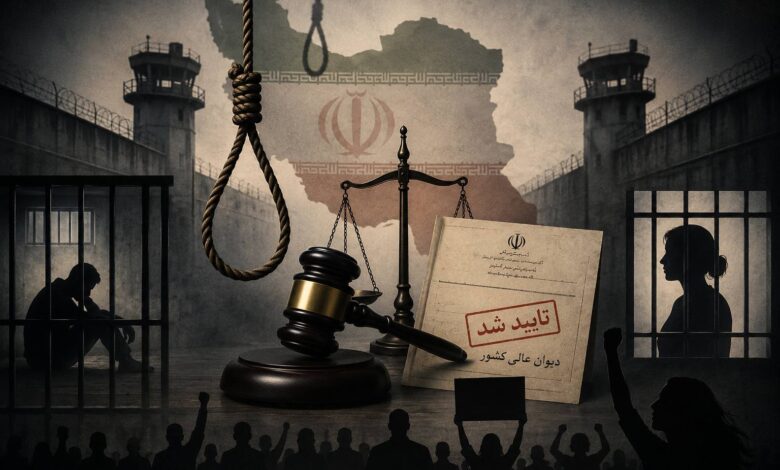
In the latest wave of repression in Iran, Pouria Hosseini-Mofrad and Rasoul Razaei, two detained protesters, have been sentenced to death, with Razaei’s sentence confirmed by the Supreme Court; simultaneously, Minijeh Khoshnood, a Kurdish women’s activist, has been sentenced to three months in prison—cases that again illustrate the Islamic Republic’s judicial apparatus using punishment and imprisonment to silence voices of protest and dissent.
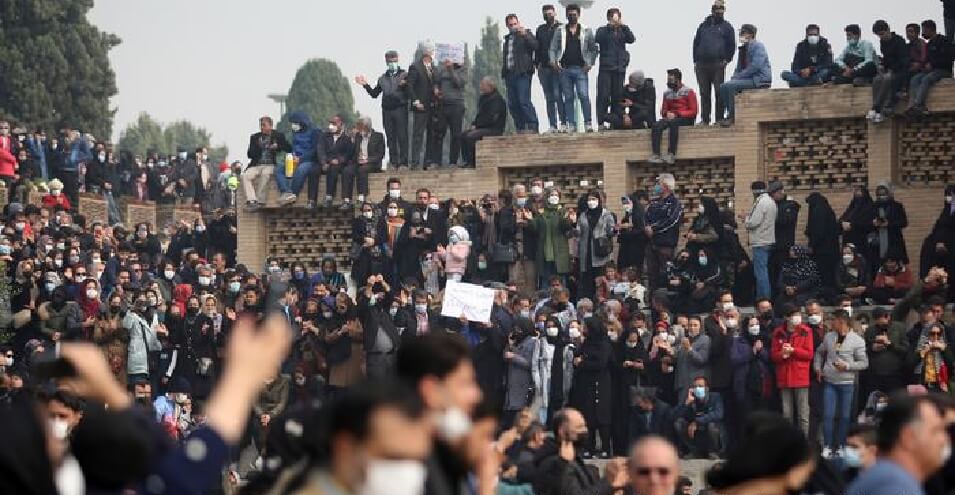
In today’s Iran, the distance between a street protest and a death sentence can be merely months. The cases of Pouria Hosseini-Mofrad and Rasoul Razaei in Mashhad, alongside the renewed conviction of Minijeh Khoshnood in Boukan, represent a fresh example of a process in which the Islamic Republic’s judicial apparatus, relying on security charges, heavy sentences, and curtailment of defendants’ rights, puts critics and protesters under pressure.
These cases have emerged at a time when human rights organizations have warned of an escalation in the use of capital punishment in cases related to Iran’s protests. Recent reports indicate that dozens of people in cases connected with protests face the risk of execution, and a significant number have been executed in recent months.
Pouria Hosseini-Mofrad, 23, a detainee from the December 2024 protests, has been sentenced to death by the Fifth Branch of the Mashhad Revolutionary Court under the supervision of Hossein Yazdankhah. According to published reports, the sentence was issued about a month ago, and he remains detained in Vakil-Abad Prison in Mashhad.
The charges against him include “action against national security,” “gathering and conspiracy,” and “operational action endangering national security.” The case also alleges that actions attributed to him were carried out in support of an opposition group.
However, what is most striking about this case are the specifics cited for these severe charges: “breaking the window of a bus station and setting shrubs on fire after participating in a protest rally.”
A fundamental question remains: how can such a set of protest actions serve as the basis for imposing an irreversible death sentence?
According to released information, Hosseini-Mofrad was arrested on December 24, 2024, in Mashhad and, after interrogation and legal proceedings, was transferred to Vakil-Abad Prison.
Meanwhile, the use of broad and heavy security charges in cases of protesters, without transparent publication of evidence and trial details, raises serious concerns about respect for the right to defense and proportionality between punishment and the alleged conduct.
The case of Rasoul Razaei, however, has entered a more dangerous phase. This 28-year-old man from Faryaman and father of two children aged 2 and 5 is a detainee from the January 2026 protests and is held in Vakil-Abad Prison in Mashhad. His death sentence, previously issued by the Mashhad Revolutionary Court on the charge of “moharebeh” (waging war against God), has now been confirmed by the Supreme Court.
Razaei was arrested on January 9, 2026, in Faryaman. What makes this case even more troubling is the lack of clarity regarding the specific conduct that forms the basis of the “moharebeh” charge and the issuance of the death sentence. According to reports released by human rights organizations, as of the publication of this report, no specific information has been available regarding the act attributed to Razaei that formed the basis of this charge.
Moreover, according to released information, since his arrest he has been denied access to a lawyer of his choice and contact and visits with his family. This has been confirmed by Majdeh Mohebi, a legal expert familiar with the case.
Before his arrest, Razaei was a street vendor working to support his family. Now his two young children face a harsh reality: their father faces a death sentence, yet even the details of the charges leading to this sentence have not been made clear to the public.
When a person is sentenced to death, judicial transparency is no longer a minor matter but a vital issue. A death sentence is irreversible, and any flaw in legal proceedings can come at the cost of a human life.
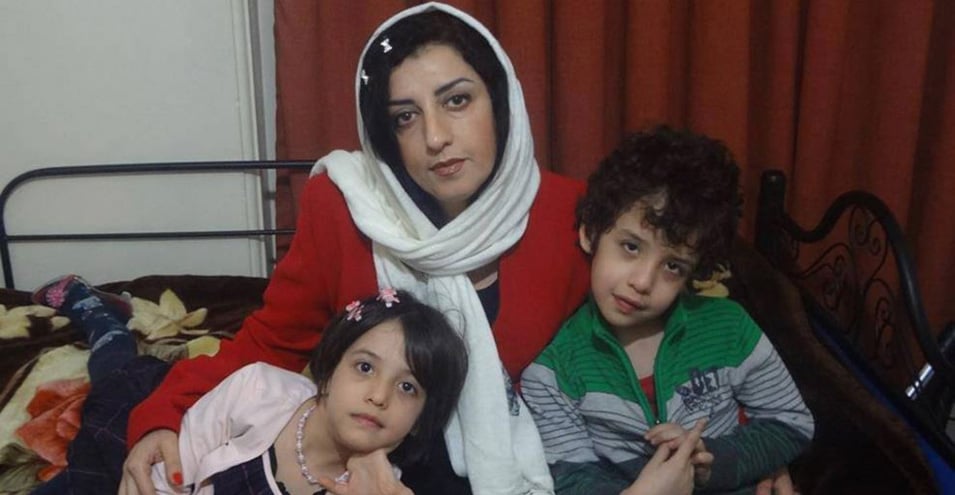
On the other side of this repression stands the case of Minijeh Khoshnood, a 58-year-old Kurdish activist and resident of Boukan, who has been sentenced to three months in prison.
According to reports, Branch 101 of the Boukan Criminal Court has sentenced her to three months in prison on charges of “propaganda against the regime,” with the sentence formally notified to her on August 11, 2026.
Khoshnood had previously faced similar charges and was sentenced to 10 months in prison in 2024. However, the manner of her recent arrest also raises serious questions. On May 26, 2026, personnel from the Intelligence Department entered her family home without presenting a court order, searched the premises, and confiscated items including a laptop, mobile phone, and several of her books. After 15 days in detention, she was released on a two-billion-toman bail.
In such a case, even if the charge of “propaganda against the regime” is the legal basis cited by the government, the arrest of a civil activist, the search of her home, and the confiscation of her personal belongings raise a larger question: should freedom of expression and civil activity be answered by security forces entering homes and imprisonment?
Pouria Hosseini-Mofrad, Rasoul Razaei, and Minijeh Khoshnood are three people with three different cases; however, what their cases have in common is the entry of the Islamic Republic’s security and judicial apparatus into the lives of citizens facing political and security charges.
One faces the danger of execution, another, after confirmation of his sentence by the Supreme Court, is at risk of having the death penalty carried out, and another, due to a charge related to political expression, is again imprisoned.
These events cannot be viewed merely as a collection of separate cases. When street protests are answered with “moharebeh” or security charges, when a death sentence is issued for a young protester, and when a Kurdish women activist is imprisoned for “propaganda against the regime,” a larger picture emerges: one of an apparatus that, instead of responding to society’s grievances, seeks to suppress and silence them.
Even in Razaei’s case, whose death sentence has now been confirmed by the Supreme Court, sufficient public information has not yet been published about the specific conduct that formed the basis of the “moharebeh” charge. This obscurity in a case where the outcome may be the death of a person is in no way trivial or dismissible.
Capital punishment is an irreversible sentence. For this reason, when issued in political and protest cases, sensitivity regarding the right to access to a lawyer, the ability to mount an effective defense, transparency of evidence, and judicial independence must be multiplied several times over.
Yet Rasoul Razaei’s case is at minimum accompanied by claims of deprivation of his chosen lawyer and contact with his family, and in his case, even the exact specification of the “moharebeh” charge has not been published in human rights reports.
The international community should not wait until a death sentence is carried out and then express concern about it. Protesting death sentences is meaningful only when the possibility of saving a human life still exists.
In Iran, names like Pouria Hosseini-Mofrad and Rasoul Razaei should not be merely recorded in human rights reports and then forgotten. Behind each name is a life, a family, and a future that may be erased by a judicial decision.
Rasoul Razaei is the father of two young children. Pouria Hosseini-Mofrad is only 23 years old. Minijeh Khoshnood is 58 and, despite a prior conviction, has been imprisoned again on a political charge. These are not merely “security cases”—they are human cases.
And perhaps the most important question is this: if the world remains silent about these sentences today, who will be held accountable tomorrow for lives that can no longer be restored?
From a Christian perspective, the defense of life, dignity, and justice for humanity cannot be confined to political borders. The voice of victims of repression, whoever they are and wherever they live, deserves to be heard.
The cases of Pouria Hosseini-Mofrad, Rasoul Razaei, and Minijeh Khoshnood once again demonstrate that pressure on civil society and protesters in Iran continues, and in the cases of two political prisoners, this repression is now linked to the real danger of execution. The world should not awaken when the noose has already done its work.