From Sheltering the Wounded to Death Sentences: Two Young Men from Shiraz Face Execution on “Moharebeh” Charges
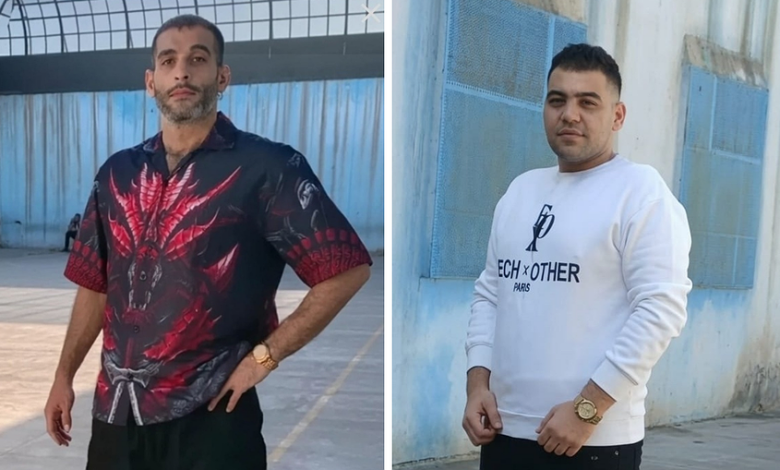
Two young men, aged 23 and 27, from Shiraz have been sentenced to death after allegedly sheltering and providing medical assistance to wounded protesters during recent demonstrations, according to human rights sources. The case has renewed concerns about the use of severe sentences against protesters in Iran.
Mojtaba Dehbandi, 23, and Kianosh Hamzeh-ei Kazruni, 27, both residents of Shiraz, have been sentenced to death by the first branch of the Revolutionary Court in the city. According to human rights sources, the death sentence was issued following charges of “moharebeh” (enmity against God) against the two young men.
Based on a report published by the human rights organization Hengaw, the initial death sentences have been issued against the two citizens, who are currently detained in Shiraz Central Prison, known as Adel Abad Prison, under concerning conditions.
The charges against Mojtaba Dehbandi and Kianosh Hamzeh-ei Kazruni include “moharebeh through arson of public places and burning the Quran,” as well as “actions against national security through sheltering protesters.” However, informed sources have stated that the basis for their arrest was providing assistance to several wounded protesters and transferring them to a shop to preserve their lives and receive treatment.
According to the report, Mojtaba Dehbandi, who worked with his brother in curtain sales, and Kianosh Hamzeh-ei, who owned a grocery store, transferred several wounded protesters to their workplaces for shelter and first aid during the nationwide protests.
It is reported that security forces identified the two young men after reviewing closed-circuit camera footage from inside the shop, and arrested them eight days later by visiting their homes.
Simultaneously with the arrest of these two citizens, four wounded protesters who were still inside the shop were also arrested by security forces and transferred to an unknown location. Families and relatives of these four individuals have not received any information about their place of detention, physical condition, or whereabouts—a matter that human rights organizations consider an instance of enforced disappearance.
The use of charges such as “moharebeh” in cases related to protests has faced widespread criticism from international human rights organizations in recent years. These organizations have repeatedly warned that such charges, particularly when they can result in death sentences, should be reviewed based on clear standards of fair trial, access to independent lawyers, and the possibility of effective defense.
Critics of the Islamic Republic argue that converting humanitarian actions and assistance to protest victims into security cases with severe punishments demonstrates a repressive approach toward citizens who have helped those affected in crisis situations.
The case of Mojtaba Dehbandi and Kianosh Hamzeh-ei Kazruni has once again drawn attention to concerns about the fate of young people who have faced severe judicial sentences during Iran’s protests—sentences that, according to human rights activists, not only endanger individuals’ lives but also undermine the fundamental human right to help others.