Geneva Meeting on the Situation of Christians and the Islamic Republic’s Legal Obligations
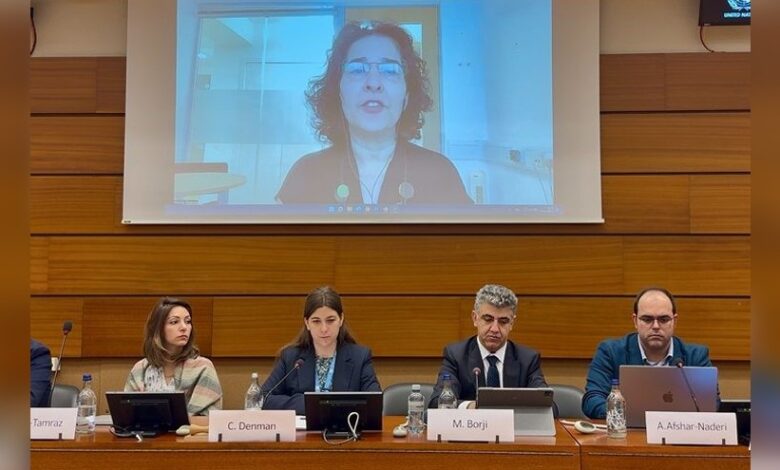
Global Christian organizations held a meeting in Geneva at the UN headquarters regarding the situation of Christians and the legal obligations of the Islamic Republic.
The global Christian organizations “Open Doors,” “Christian Solidarity Worldwide,” “Middle East Eye,” and “Article 18” held a meeting on Thursday, January 25, 2024, in Geneva at the UN headquarters regarding the situation of Christians in Iran. The main focus of this meeting was the seventh annual report of these organizations. The session began with remarks by Mai Sato, the UN’s Special Rapporteur on human rights in Iran.
During his remarks at the meeting, Mai Sato expressed concern about the situation of Christians in Iran, stating: “The situation of Christians in the Islamic Republic of Iran is always a sensitive and complex matter. Despite the legal protections stated in Iran’s constitution, the reality of life for Christians, particularly Christian converts, faces serious challenges, and the situation of Christians in the Islamic Republic of Iran is a matter of serious concern and requires our continued attention.”
He also, while pointing to numerous cases of human rights violations against Christians in Iran, emphatically stated: “These violations include freedom of religion, expression, security, and minority rights. Cases of rights violations regarding the Christian community in Iran are documented in my reports, which include several violations of the Islamic Republic of Iran’s obligations under the International Covenant on Civil and Political Rights, including the right to freedom of thought, conscience and religion, the right to freedom and security, privacy, and freedom of expression and peaceful assembly.”
Mansour Borji, director of Article 18, also in his remarks at the Geneva meeting, referred to hacked files from the judiciary by the group “Adalat Ali,” stating: “These files include more than 300 Christians between 2008 and 2023, recognized as undeniable and impartial documents of human rights violations. These documents, at a time when the Iranian government claims suppression reports are fabricated, provide objective evidence that cannot be overlooked and the international community must take seriously.
The data in these documents show that Iran’s judicial and security apparatus systematically acts to suppress the religious freedom of Christians and other minorities.”
According to Mansour Borji’s statements at this meeting, one of the important revelations in these files is that Bibles and Christian literature have been referred to as “smuggled goods” and “tools of crime,” and in 2023, more than one-third of Christian arrests were related to Bible distribution.
He further added in his remarks: “In the hacked files, Christian worship in house churches is presented as a threatening measure for national security, while these peaceful gatherings are held solely for religious purposes. These rhetorical devices, rooted in paranoia and baseless fears, have created a hostile environment that legitimizes suppression.”
Mr. Borji continued his remarks regarding the situation of Christians, stating: “These actions highlight the Iranian government’s fear of religious diversity. The claim of religious diversity only makes sense when individuals can freely choose their religion and openly engage in their religious practices. Closed or restricted churches, even if preserved as tourist attractions, are not signs of religious freedom.
We, as members of civil society and the international community, have a duty to amplify the voices of the oppressed, document their stories, and hold those responsible for these violations accountable. These abuses should not be met with silence. Immediate and effective action by the global community to address these violations is necessary.”
Nazila Ghanea, the UN’s Special Rapporteur on Freedom of Religion or Belief and law professor, in a video message discussed discriminatory laws used against Christians, particularly Articles 498, 499, and 500 of the Islamic Penal Code. In her message, she stated: “Christian converts are the largest Christian community in Iran, but they are not recognized and are repeatedly targeted by authorities. Last year, 96 Christians were collectively sentenced to 246 years in prison, 37 years of internal exile, and approximately 800,000 dollars in fines.”
Katanza Goundy, one of the managers of Christian Solidarity Worldwide, also, based on the annual report, spoke about violations of international obligations by the Islamic Republic toward Christians and the non-observance of the Islamic Republic’s constitution regarding these citizens. Dabrina Bat-Merz, a Christian pastor, also spoke at this meeting about the pressure on her family members in Iran, who were pressured by the Islamic Republic government due to worship gatherings with Christian converts and were interrogated in prison. Following lengthy prison sentences, they were forced to leave the country.