Government Insists on Implementing Drug Plan Despite Parliamentary Warning
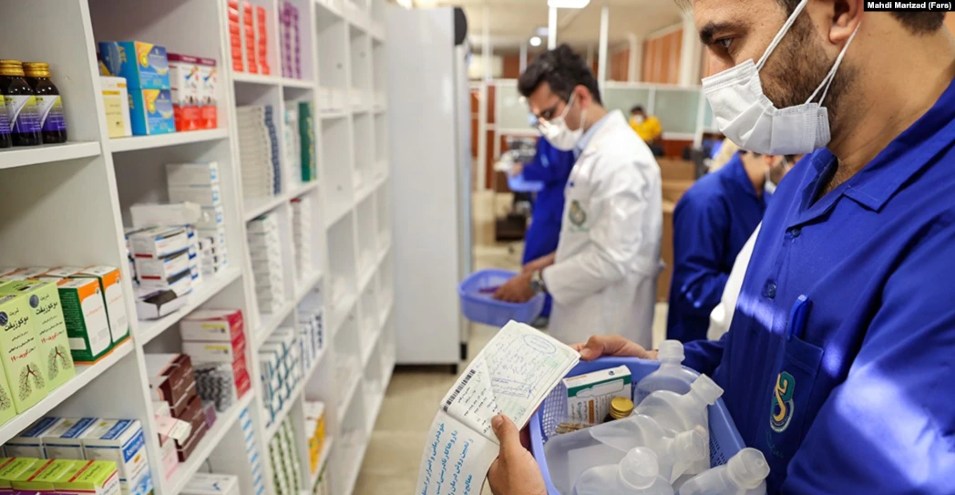
As drug prices have surged following the implementation of the “Daru-yaar” (Drug Companion) plan, Iran’s Health Ministry officials continue to insist that the plan benefits citizens, despite warnings from parliament.
Following similar statements by Health Ministry officials about the benefits of implementing the “Daru-yaar” plan in recent days and weeks, Bahram Daraei, head of the Food and Drug Organization, said on Monday, July 18, that “not only has the price of drugs not changed from before, but people’s costs for some items have actually decreased.”
Daraei attributed this claimed price reduction to “raising the base price level of drugs covered by insurance.”
Despite the “definite” promise by Ibrahim Raisi, Iran’s president, that drug prices would not increase in recent months, the Health Minister suddenly announced the implementation of the plan called “Daru-yaar” starting July 14.
However, despite Health Ministry officials’ insistence that drug prices would remain stable after implementing this plan, the Food and Drug Organization immediately issued permits for 20 to 30 percent price increases on medications. Nevertheless, according to reports, some pharmaceutical companies have increased prices for certain drug items by more than 100 percent.
Bahram Daraei, head of the Food and Drug Organization, said on Monday, like the Health Minister, that by removing subsidies from domestically produced drugs that depended on preferential currency rates for raw materials, drug prices have become “realistic,” and that by allocating state subsidies for drugs to insurance companies, this subsidy would reach the “actual consumer” – meaning people with basic insurance coverage.
Although Iranian officials have stated that the “Daru-yaar” plan aims to “increase the number of people and drugs covered by insurance,” “reduce patient costs,” and “prevent drug smuggling,” the hasty implementation of this plan has occurred while a significant number of Iranian citizens still have no insurance coverage.
According to Mohammad Mehdi Nassehhi, CEO of the Health Insurance Organization, in December of last year, “between 6 to 9 million people from the country’s population do not have active insurance,” and approximately 5 million foreign nationals must also be added to this population.
Meanwhile, despite Health Ministry officials’ claims about creating the necessary infrastructure for implementing the new drug plan, considerable ambiguities remain regarding how insurance services will be provided in this regard.
To date, insurance companies have not shown any reaction regarding how they will serve the insured following the plan’s implementation.
Zahra Sheikhei, spokesperson of the parliamentary Health and Treatment Commission, criticized the “hasty” implementation of the Daru-yaar plan on Saturday, July 15, and said that implementing it “without examining weaknesses and strengths and without providing infrastructure will harm the people.”
Sheikhei further stated, pointing out the government’s failure to consult with parliament about how to implement the new drug plan: “The commission emphasizes that approximately eight months’ worth of previous insurance company debts should be paid, and also plan expenses should be provided to insurance companies promptly and transparently so that we do not witness disruptions in plan implementation.”
This parliament member added that “Health Commission members have explicitly warned the government that if this plan is not implemented correctly, we will place a complaint under Article 234 and refer it to the Commission on Article 90 of the Constitution on our agenda.”
Some parliamentary representatives’ criticism of the government regarding the Daru-yaar plan implementation comes at a time when, despite serious warnings from many of them about the consequences of sudden bread price increases in March, the Ibrahim Raisi government implemented that plan, and related public protests were also severely suppressed by security and military forces.
Source: Radio Farda