Government Spokesman: We Have No Plan to Increase Gasoline Prices
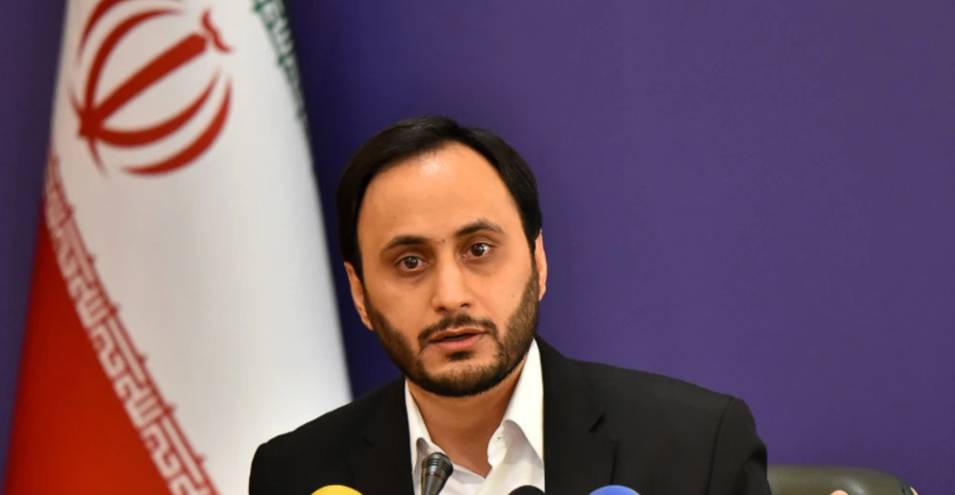
While a week earlier, Fereydoun Abbasi, a member of the Majlis Energy Commission, had stated that the plan to increase gasoline prices in Kish and Qeshm islands has a “pilot” and experimental status, government spokesman of Ibrahim Raisi rejected the gasoline price increase on Tuesday and said the government has no plan in this regard.
Ali Bahadori Jahromi on Tuesday, the 7th of Dey, in his press conference said the objective of the government’s new plan is “a more equitable distribution of gasoline subsidies.”
Iran’s Minister of Oil had previously spoken about the “Gasoline for All” plan, saying that those who have one year of residency in Iran can receive 15 liters of 1,500 Toman gasoline per month.
Iranian government officials say the “Gasoline for All” plan is a way to benefit people without cars from gasoline subsidies, but statistics show that with this method, the government’s revenues from gasoline sales will increase up to six times.
Previously in November 2019, following a sudden increase in gasoline prices, the November 2019 protests occurred, which was the bloodiest political-social event in Iran over the past four decades.
These protests quickly shifted direction and targeted the government and Ali Khamenei, the Supreme Leader of the Islamic Republic, at its head, but faced severe suppression and direct shooting at protesters.
Raisi’s government spokesman continued his Tuesday remarks by criticizing Hassan Rouhani’s government and accused the previous administration of “dishonesty and disrespecting the people,” saying that public distrust “has been inherited from the past for this government.”
Bahadori Jahromi further, in an allusion to Hassan Rouhani who had said in November 2019 that he became aware of the situation Friday morning when the gasoline price increase was announced, said “the thirteenth government is not one for overnight decisions and bitter Friday morning news, and this government is a people’s government, not a security government.”
He spoke of the “non-security” nature of the Raisi government, while since the time of Ibrahim Raisi’s candidacy for the presidency, the chief of the Office of Cultural and Media Prosecutor has been in contact with a number of journalists and media activists, asking them not to publish any articles against or in criticism of Ibrahim Raisi in the media and social networks.
Source: Radio Farda