Head of Central Bank of Iran: We Are Determined to Control Exchange Rate
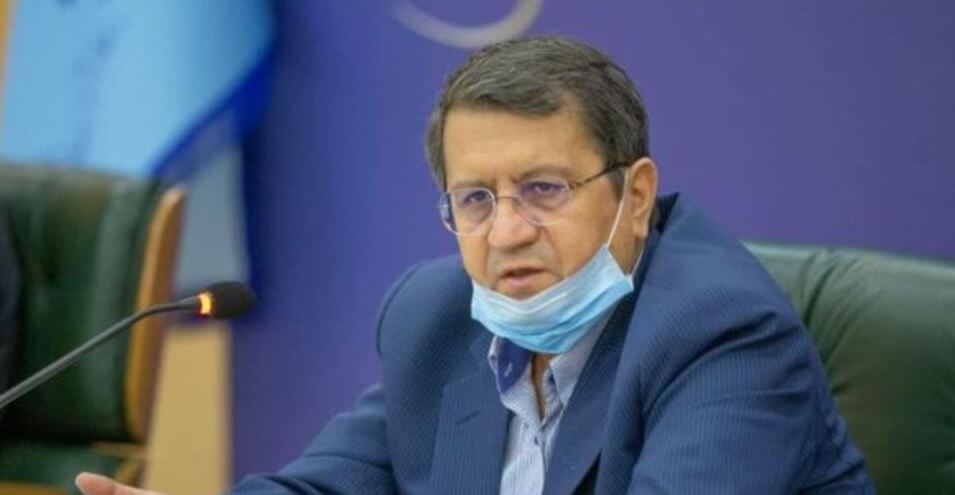
Abdolnaser Hemmati, Governor of the Central Bank of Iran, reiterated on Saturday, October 3rd, the bank’s determination to control the exchange rate of foreign currencies in the country.
According to IRNA, Abdolnaser Hemmati, in a ceremony titled “Appreciation for Exporters in the Field of Foreign Currency Return to the Country,” stated: “We are determined to control the exchange rate,” and added: “The country’s interest lies in strengthening the value of the national currency, and based on this, we are making efforts to adjust the exchange rate.”
This comes as the value of the rial against foreign currencies has plummeted sharply over the past two years. Abdolnaser Hemmati had previously announced “targeted intervention” to control the foreign exchange market.
However, despite these promises, the dollar price has continuously risen, and by late August of the current year, it reached above 25,000 tomans. However, at that time, the Central Bank, by injecting nearly one billion dollars into the market, brought the dollar price down to around 21,000 tomans. Nevertheless, after two weeks, the dollar resumed its upward trend, and last Thursday reached a historic record of 30,000 tomans.
However, the Governor of the Central Bank of Iran reiterated on Saturday that “the conditions prevailing in the country are temporary.”
He stated: “I believe these conditions will not last and these unjust sanctions will be broken; I mentioned yesterday as well that I have good news about the release of blocked resources; because at present, tens of billions of dollars of the central bank’s reserves are blocked in other countries due to fear of American penalties.”
Abdolnaser Hemmati, however, noting that “some of the blocked resources in foreign banks have been released,” added: “8 billion dollars out of the total 27 billion dollars in delayed foreign currency from exports have returned to the country’s economic cycle.”
The United States, starting in May 2018, by withdrawing from the nuclear agreement with Iran known as the JCPOA, reinstated suspended sanctions against the Islamic Republic.
Iran has been subject to the most severe sanctions by Washington in recent months and faces considerable difficulties in oil and non-oil exports. Furthermore, the coronavirus pandemic and a sharp decline in Iran’s non-oil exports to some regional countries have also contributed to the current situation.
“Criticisms Regarding the Failure of Exchange Rate Decline”
Abdolnaser Hemmati also discussed criticisms about the failure of the exchange rate to decline in an interview with reporters on the sidelines of the ceremony, stating that conditions are not normal and special restrictions (by the enemy) are imposed every week.
The Governor of the Central Bank further emphasized: “The enemy, which is not weak, unfortunately, many countries are complying [with sanctions] out of fear of penalties.”
Abdolnaser Hemmati regarding foreign exchange rates said: “Current rates are not equilibrium rates and result from the peak pressure of those who imposed sanctions, which has happened, and tens of billions of our dollars have been blocked. If tens of billions of our dollars are released, these rates will not remain.”
The Central Bank Governor’s reference to blocked resources pertains to Iran’s frozen money in some countries such as South Korea and Iraq.
Iran says Iraq owes more than three billion dollars for imports of Iranian electricity and gas, and South Korea has also blocked seven billion dollars of oil money imported from the Islamic Republic.
The Iranian government has yet to release a report on the total amount of the country’s frozen assets in other countries.
Abdolnaser Hemmati had stated in parliament on June 4th of the current year: “To maintain the exchange rate, we must inject funds into the foreign exchange market. Therefore, over the past 15 years, we have injected an average of 18 billion dollars annually into the foreign exchange market to control the exchange rate.”
Of course, during this period, Iran’s trade balance was always positive and the Islamic Republic had excess dollars to inject into the market.
However, customs statistics show that in the first five months of the current solar year, the country’s total non-oil exports fell below 11 billion dollars, which represents a 40 percent decline compared to the same period last year, and the country’s trade balance was negative.
Source: Radio Farda