Head of Medical System Organization: Are Those Who Issued Statements Against Vaccine Imports Accountable Today?
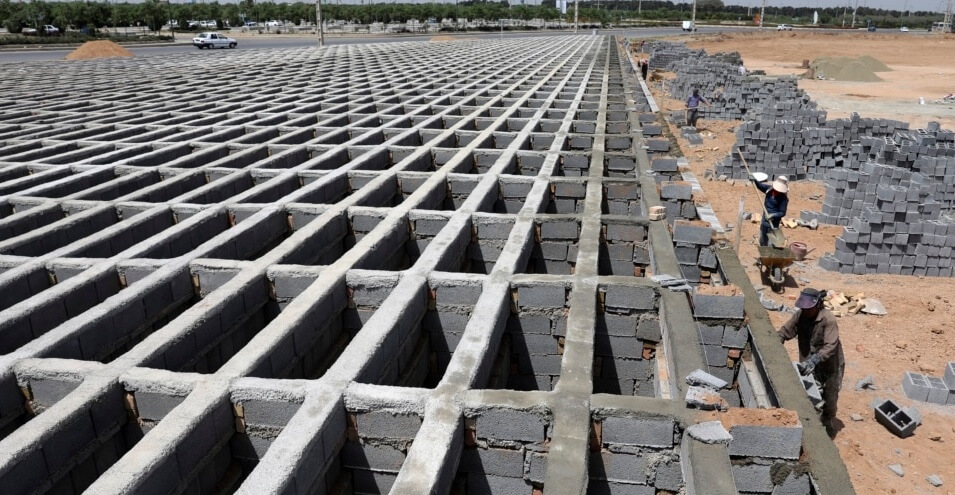
The head of the Medical System Organization again emphasized that the actual COVID-19 statistics are higher than reported figures and criticized those who “issued statements to restrict vaccine imports.”
MohammadReza Zafargandi wrote on Twitter on Sunday evening, August 8, referring to the recording of the highest numbers of COVID-19 cases and deaths in Iran, that these new records are being broken while “the number of tests performed has decreased and the actual figures are far higher than reported cases.”
Mr. Zafargandi further stated, referring to “the reduction in death rates in countries that conducted vaccination without restrictions and border closures,”: “Are those who issued statements to restrict vaccine imports accountable today?”
The Leader of the Islamic Republic announced in December 2020 that the entry of American and British COVID-19 vaccines into Iran is “prohibited” and domestic vaccine production should not be “denied.”
Following these remarks, many Iranian officials defended Ali Khamenei’s statements and, while opposing the entry of widely-used international vaccines, emphasized coronavirus vaccine production domestically.
The slow pace of vaccination in the country due to vaccine shortage, coupled with the widespread outbreak of the Delta virus that led to the recent COVID-19 crisis in the country, has caused public concern and criticism from some officials over recent months. Nevertheless, Iranian authorities continue to exclude American and British vaccines from their import list and emphasize importing vaccines from China, Russia, and India.
Meanwhile, Mohammad Hassan Ghouchani Moghaddam, secretary general and spokesperson of the Red Crescent Society, criticized what he called “obstructions” and “sabotage” on Monday, saying that if we can secure foreign currency, soon 30 million more doses of vaccine will enter the country.
Karim Hemati, head of the Red Crescent Society, also said on Saturday that the organization had declared readiness for vaccine imports since mid-2020, but the Ministry of Health approved this organization’s request on April 5, 2021, and the first batch of vaccines entered the country days later.
Meanwhile, many experts and officials under current conditions consider lockdowns a remedy for weakening the COVID-19 transmission chain and reducing the severity of the current crisis, but so far not only has no action been taken in this regard, but there has also been considerable criticism over lack of oversight in implementing health protocols.
In this regard, Hamid Souri, head of the National Committee for COVID-19 Epidemiology, in a report in Hamshahri newspaper published on Monday, criticized pandemic management in the country, saying: “We are not witnessing serious action to combat coronavirus in the country. Since the beginning of the COVID-19 outbreak, there has been no desire or commitment to solve the problem.”
According to Iran’s Ministry of Health announcement on Sunday, August 8, the number of deaths reached 524 and new cases reached approximately 40,000 per day, which was the highest number since the outbreak of COVID-19 in Iran.
Source: Radio Farda