Human Rights Organization Concerned Over Approval of New Laws Against Minorities in Iranian Parliament
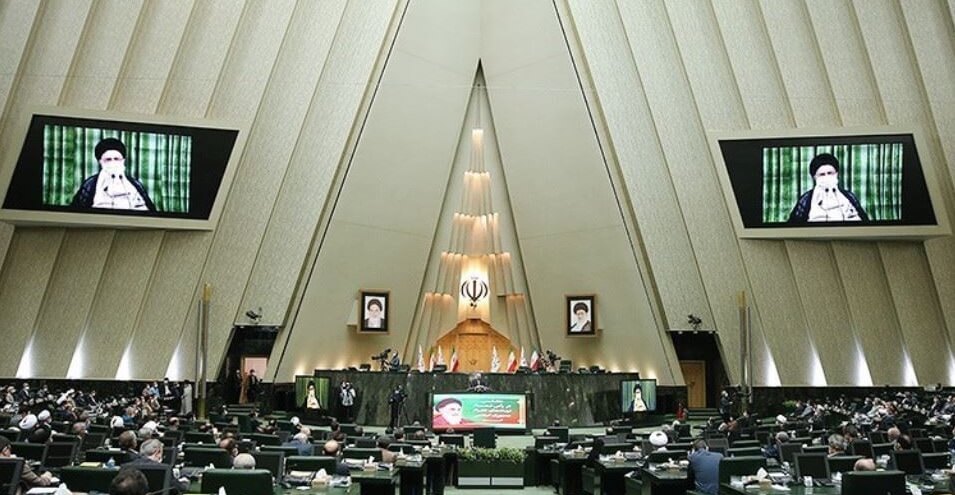
The human rights organization “Article 19” has expressed concern regarding a proposal to add two articles to the Islamic Penal Code concerning “insult to religions, legal schools of thought, and Iranian ethnicities.”
In a statement released Thursday, December 20, the organization said that if these articles are approved in their current form, “the rights of freedom of expression, religion, and belief in Iran will face a more severe wave of attacks.”
The organization called on members of the Islamic Consultative Assembly to immediately and completely remove this proposal from their agenda and refrain from any efforts to pass similar regulations in the future.
Selwa Ghazouani, Middle East and North Africa Program Director at Article 19, stated: “Rather than amending the law to bring the Islamic Penal Code into compliance with international human rights laws and standards, Iranian lawmakers have taken measures to intensify and further strengthen discrimination against religious and ideological minorities and suppress freedom of expression within the framework of the country’s laws.”
According to her, the proposed bill “effectively gives a green light to judicial, prosecutorial, and law enforcement authorities to intensify the persecution of individuals and groups who have already been harassed and tortured, solely because they exercise their human rights.”
Article 19 wrote that the proposed bill “puts individuals belonging to religious and ideological minorities, including Baha’is, who have faced systematic harassment, torture, and suppression over past decades, at risk of increased violations of their rights.”
In the organization’s statement, it said that if this bill is approved in its current form, “there is concern that religious and ideological minority groups under persecution such as Baha’is, Yarsan, Mandaeans, Dervishes, and non-believers will face intensified and severe forms of persecution and harassment.”
The bill on “Adding Articles to Chapter Five of the Islamic Penal Code (Discretionary Punishments and Deterrent Punishments) Regarding Insult to Legal Religions, Schools of Thought, and Iranian Ethnicities” was first approved by parliament in April 2020 and then sent to the Guardian Council for review.
The Guardian Council also returned the bill to parliament in April with certain objections, and as Article 19 has stated, parliament made amendments to it in November of the current year.
Based on Article One of the bill, which seeks to add Article 499 Repeated to Iran’s Penal Code, severe punishments will be imposed on “anyone who, with intent to cause division, violence, or tension in society, or with knowledge of its occurrence, insults Iranian nationalities, or with the same intent or knowledge, explicitly curses religions stipulated as divine in the Constitution.”
This bill refers to “religions” and “ethnicities” in general and without specifying groups that might be targets of incitement to violence and discrimination or creating an obligation to incite discrimination, hostility, or violence.
Article Two of the bill, which seeks to add Article 500 Repeated to the Islamic Penal Code, provides for severe punishments for anyone acting within the framework of a “sect,” “group,” “association,” or similar entity and through “methods of mind control and psychological suggestion,” committing acts such as “deviant educational or propaganda activities contrary to or violating Islamic law” or “proposing false and fabricated claims in religious and theological fields such as claims of divinity.”
Article 19 has expressed concern about the high likelihood that Article 500 Repeated will be used to prosecute individuals for following different beliefs, such as Baha’is and followers of esoteric schools.
Followers of such groups are generally described by the Iranian government as “deviant sects” and are usually confronted with accusations such as “propaganda against the regime” and “membership in an illegal organization,” “exertion of psychological control,” and “suggestion” intended to corrupt society.
Source: Radio Farda