Human Rights Organizations’ Request: Establish a Day Named ‘Imprisoned Mothers’ in the Calendar
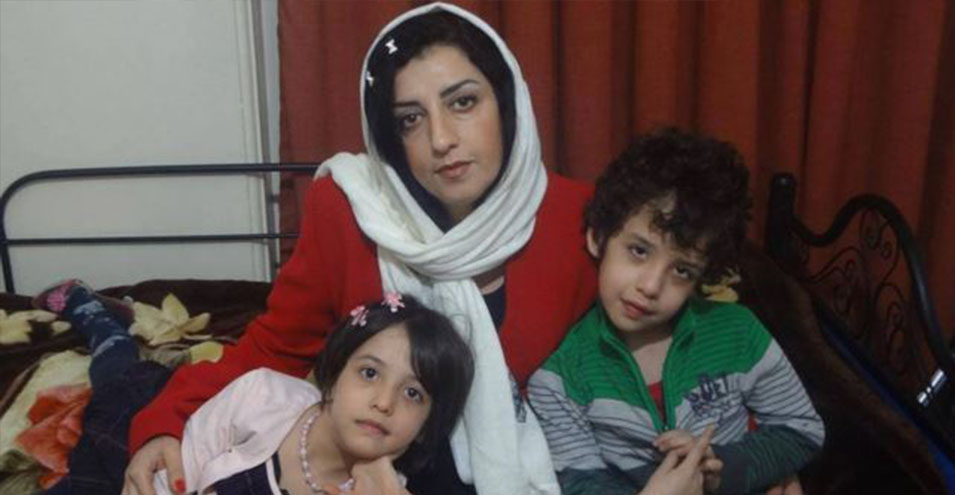
A group of human rights organizations has called in a statement for the establishment of the 26th day of Tir (July 16-17) as the day of “Imprisoned Mothers” in the calendar.
The statement says that naming a day “Imprisoned Mothers” is “an opportunity to remind the world of the conditions of those who are sometimes forgotten due to political reasons and sometimes due to an unorthodox approach to the issue of crime and imprisonment.”
The statement further reads: “Establishing a day with this name will at least ensure that once a year we become the voice of those who, while in prisons, endure the security pressures and serve their sentences, and due to their role as mothers and the role society has imposed upon them, suffer double pain and torment.”
The Center for Defenders of Human Rights, the Human Rights Supporters Center, the Campaign to Support Imprisoned Mothers, the Iranian Women’s Movement Museum Initiative, the Non-Profit Institute for Children of Prisoners, the Nasrin Sotoudeh Freedom Campaign, the Nobel Women Association, and the Human Rights Campaign in Iran are among the signatories of this statement.
The signatories have called on the public and civil activists to join their movement and help establish this day in the calendar.
The statement mentions that the choice of the 26th of Tir as the day for “Imprisoned Mothers” is related to the emigration of Nasrin Sotoudeh’s two young children to France two months after her arrest. On the 26th of Tir in 2015, Ms. Sotoudeh’s two children said goodbye to her over the phone and left Iran. Ms. Sotoudeh was not allowed to contact her children for many months after that. Subsequently, through letter writing and hunger strikes, authorities allowed her to speak with her children, who live in Paris with their father, once a week.
Currently, several mothers with young or adolescent children are held in the women’s ward of Evin Prison, such as Nazanin Zaghari, Nasrin Sotoudeh, Maryam Akbari Monfared, Azita Rafiezadeh, Elahe Farahani, Fatema Methani, Setoudeh Faezel, mothers who are only allowed to visit their children once a week.
The statement also notes that speaking in unison on a specific day can draw government attention to the rights and basic needs of imprisoned mothers, whether they are imprisoned for political, ideological, or common crimes, and reduce pressures and violations of mothers’ rights. In another section of the statement, naming a day as “Imprisoned Mothers’ Day” provides a small opportunity “to also remember the mothers who, from the Pahlavi era through the 1980s and beyond, have been and are imprisoned alongside their children.”
The statement mentions prisoners such as Nasrin Sotoudeh, who went on prolonged hunger strikes for her daughter being banned from travel and lacking visitation rights, as well as imprisoned mothers from the Green Movement who, through numerous letters written from inside prison to their children, informed others about the poor conditions and violations of their basic rights in prison.
At the end of the statement, it says that by naming this day in personal calendars, we can at least remember imprisoned mothers once a year and hope for official recognition of the double responsibility of politically and ideologically imprisoned mothers and the reduction of stigmatization of imprisoned mothers by society and the judicial system, and the protection of imprisoned mothers’ right to contact their children.
Source: Voice of America