IMF: Iran Needs $195 per Barrel Oil to Balance Budget
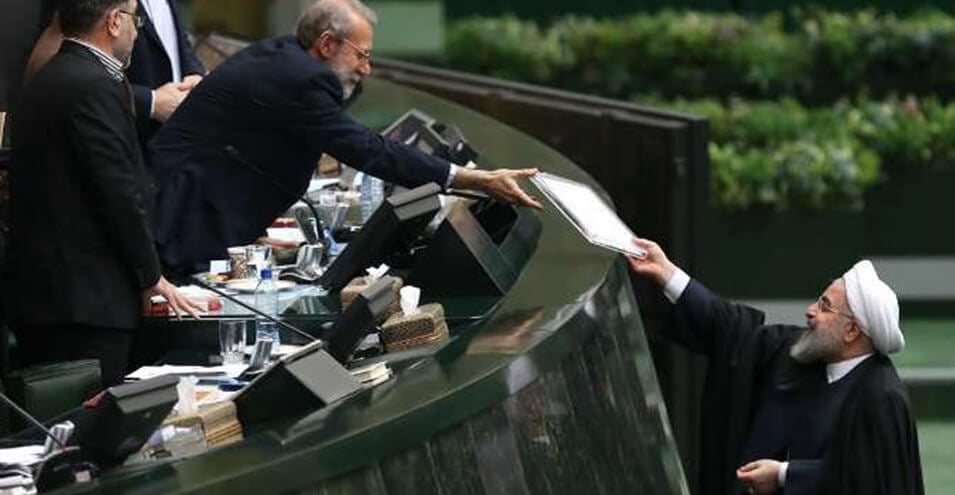
According to the International Monetary Fund’s estimates, Iran will need oil at $195 per barrel to balance its budget for the next year. This figure is more than three times the predicted oil price for next year. According to the report, Iran’s exports will also decline.
Based on the International Monetary Fund’s estimates, Iran will need oil at approximately $195 per barrel in order to balance its budget for the next year.
According to Reuters, the International Monetary Fund announced on Monday, October 28, that Iran, as one of the most important members of the Organization of the Petroleum Exporting Countries (OPEC), is currently facing a budget deficit of 4.5 percent due to American sanctions.
The report, noting that Iran is expected to face a budget deficit of 5.1 percent in the next year (2020), predicted that the country will need oil at $194.60 per barrel to balance its budget for the next year.
This is while last Friday, North Sea Brent crude oil traded at around $62 per barrel, and oil prices for next year are also predicted to be around $60.
Iran’s oil revenues, which saw significant increases after the nuclear agreement in July 2015 known as the JCPOA, sharply declined following the United States’ withdrawal from the agreement in May of last year and the reimposition of sanctions against the Islamic Republic.
The International Monetary Fund, contrary to its previous estimate that predicted a negative economic growth of six percent for Iran, has now predicted that the country’s economy will contract by 9.5 percent in the current year. According to this credible source of global economic assessment, it is also expected that Iran’s real GDP growth will remain flat in the next year.
Jihad Azour, Director of the Middle East and Central Asia Department of the International Monetary Fund, told Reuters regarding this report: “It is estimated that the sanctions imposed last year and intensified in the current year will not have a doubled impact in the next year.”
The depreciation of Iran’s national currency following the return of American sanctions has caused disruptions in foreign trade and increased the country’s annual inflation. The International Monetary Fund estimates this year’s inflation at 35.7 percent and next year’s inflation in Iran at 31 percent.
The Director of the Middle East and Central Asia Department of the International Monetary Fund stated that Iranian officials must equalize the official exchange rate with the market rate to control inflation.
Based on the International Monetary Fund’s predictions, Iran’s exports of goods and services declined from $103.2 billion last year to $60.3 billion in the current year, and will continue to decline in 2020, falling to $55.5 billion.
Source: DW