Increased Pressure on Religious Minorities in Iran and Crown Prince Pahlavi’s Message to the People
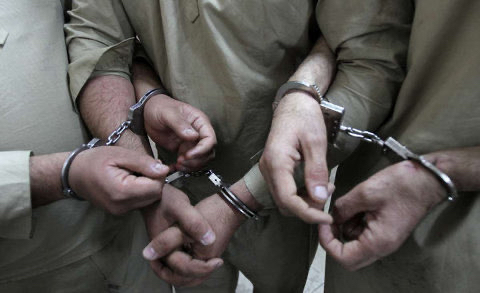
Coinciding with increased pressure on religious minorities in Iran, reports indicate intensified persecution of Christians and widespread restrictions by the Islamic Republic against religious freedom.
In recent years, the state of freedom of conscience and religion in Iran has been accompanied by growing concerns from human rights institutions and international organizations. Religious minorities, particularly Christians and members of house churches, have faced arrests, summonses, social deprivation, and severe judicial sentences.
Iran, as a signatory to the International Covenant on Civil and Political Rights, is committed to guaranteeing freedom of religion and belief for all citizens. However, multiple reports show that implementing these commitments in practice faces serious challenges. According to Article 13 of the Islamic Republic’s constitution, Christians, Jews, and Zoroastrians are recognized as official minorities, but this official recognition primarily applies to Armenian and Assyrian Christians, while converted Christians who have converted from Islam to Christianity are often faced with accusations such as “acting against national security.”
Human rights organizations have repeatedly warned about the arrest of leaders and members of house churches. Many of these arrests have been accompanied by raids on private residences by security forces, confiscation of Bibles and communication devices, and prolonged interrogations. Some of these citizens have been sentenced to long prison terms or face travel bans, employment deprivation, and pressure on their families.
The annual report of the U.S. Commission on International Religious Freedom has also placed Iran on the list of “countries of particular concern.” Similarly, the UN Special Rapporteur on human rights in Iran has repeatedly spoken of structural discrimination against religious minorities, including Christians in the fields of education, employment, and social participation.
Alongside Christians, other religious minorities including Bahais, Gonabadi Dervishes, and Sunni Muslims have faced widespread restrictions. Destruction of religious sites, prevention of building new places of worship, and pressure on religious activists are among the matters mentioned in independent reports, particularly during the nationwide protests in December.
From the perspective of Christian theology, freedom of faith is not merely a civil right, but part of human dignity granted by God. Many leaders of Iranian churches in exile have emphasized that genuine faith cannot be preserved through coercion and oppression, and any instrumental use of religion to justify violence is in contradiction with the Gospel message.
In this context, Reza Pahlavi has issued a message addressed to Iran’s Shias, which has had widespread resonance in the political and social sphere. The full text of this message is as follows: “Devout and believing fellow countrymen of the Shiite faith, the Islamic Republic from its very first day, in your name and in the name of your religion, seized power, and until today has produced nothing but poverty, wretchedness, and crimes against humanity.
During the national uprising known as the lion and sun revolution, just as in other uprisings in recent years, you witnessed with your own eyes that the Islamic Republic and Khamenei, in the name of religion and with the support of the clergy, spared no crime; from killing innocent citizens with military bullets including children and students, to delivering a final shot to the wounded in hospitals, torture, murder, and assault on the detained.
All of this has been and is being done in the name of Shiite Islam; they have turned mosques into centers of oppression and with the slogan “Heidar Heidar” they aim at the brains of their countrymen and pray on prayer rugs soaked with blood. The Shiite clergy, which considers itself the guardian of religion, failed this historical test through their complicity or silence in the face of these crimes.
My message to believers who are Shiite but opposed to the guardianship of the jurist and political Islam is this: if you are concerned with religion and want to practice your religious rites in the future of Iran, in peace, and in a non-political and personal framework, stand in the front ranks of the struggle against this illegitimate regime and its criminal leaders; reclaim your religion and faith from the deceiver of the time and do not allow the crimes of the Islamic Republic and the terrorist Revolutionary Guards to be written on the account of your faith.
Today, many devout people are in the trenches of fighting against the Islamic Republic. I call upon those who have not yet joined this sacred struggle: before it is too late, stand beside your Sunni brothers and sisters and followers of other religions, sects, and beliefs, join the ocean of the Iranian nation, and reclaim your religion from the demons and their ilk, for this is better both for yourselves and for the future of Shiite faith and other religions in Iran.”