Infant of Singapore Mother with COVID-19 Born with COVID-19 Antibodies
A pregnant woman in Singapore who contracted COVID-19 during pregnancy gave birth to an infant who has been found to have coronavirus antibodies in his blood. The World Health Organization has confirmed that the coronavirus has not been found in breast milk to date.
The local newspaper “Straits Times” of Singapore reported on Sunday, November 29 (December 9) that a 31-year-old Singaporean woman named Celine Ng-Shin, who contracted COVID-19 during pregnancy, gave birth to a boy who has COVID-19 antibodies.
This Singaporean woman had mild coronavirus in March 2020 during the tenth week of her pregnancy while returning from Europe, and was discharged from the hospital after two weeks of hospitalization.
This woman has now given birth to a boy named Aldrin, and the treating physicians found no trace of coronavirus in his body.
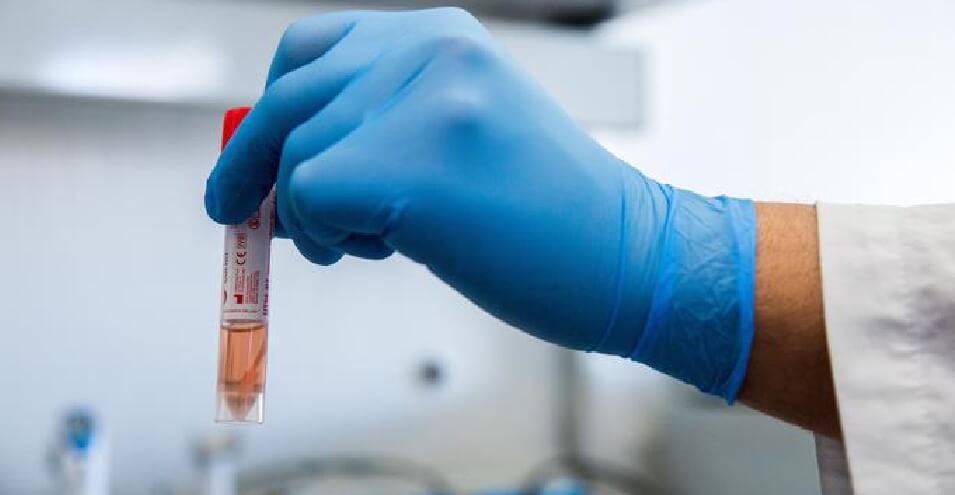
The mother of this infant stated that her COVID-19 antibodies have disappeared, but her son has these antibodies in his blood. The treating physicians told her that her son likely received these antibodies from her during pregnancy.
The “Straits Times” of Singapore wrote that her child is likely not the first infant in the country to be born without contracting the coronavirus but with COVID-19 antibodies.
Six months ago, another Singaporean woman named Natasha Ling also gave birth to an infant with COVID-19 antibodies. Ling contracted coronavirus during the thirty-sixth week of her pregnancy.
Chinese physicians have reported that these antibodies in infants born to women with coronavirus infection decrease over time.
A medical study published last month by American physicians also shows that virus transmission from mothers to newborns is rare.
The World Health Organization says that research on the transmission of COVID-19 virus from pregnant mothers to unborn fetuses or newborns is still ongoing, and currently there is no information available about virus transmission to newborns. However, the organization has emphasized that “to date, this virus has not been found in samples of amniotic fluid or breast milk”.